Creating Family Connections: Engaging Activities for Parents & Kids
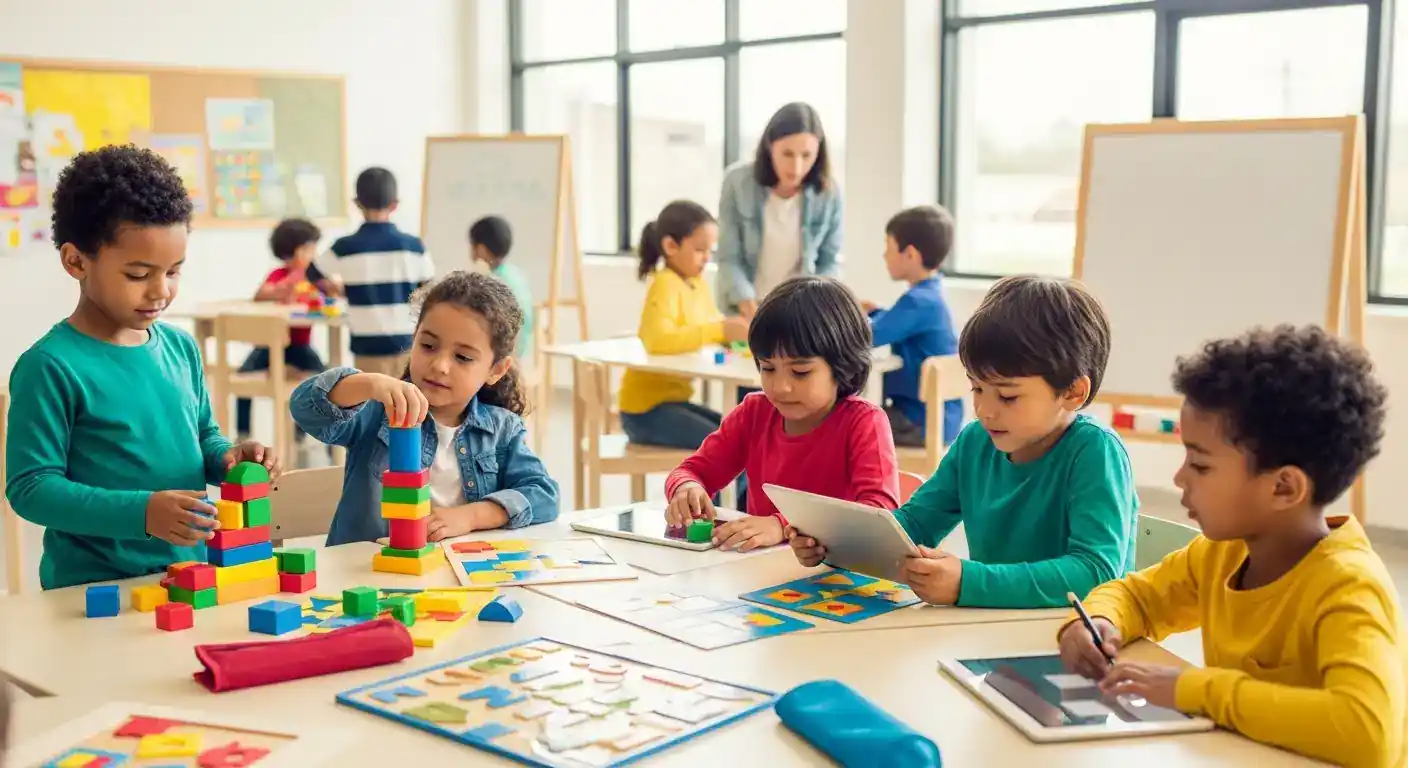
Creating Family Connections: Engaging Activities for Parents & Kids
In today's fast-paced world, creating family connections is more vital than ever. It's about building a strong foundation of love, trust, and shared experiences that nurture both parents and children. Engaging in meaningful activities together not only strengthens bonds but also fosters a supportive environment where children can thrive emotionally and developmentally. This article explores a variety of engaging activities for parents and kids, with a special focus on music and movement, designed to bring families closer and create cherished memories.
Key Points for Stronger Family Connections:
- Prioritize Quality Time: Dedicate specific moments for shared activities.
- Embrace Play: Use play as a powerful tool for learning and bonding.
- Communicate Openly: Encourage dialogue and active listening during activities.
- Explore Diverse Activities: Mix indoor, outdoor, creative, and physical pursuits.
- Be Present: Minimize distractions and fully engage in the moment with your child.
The Importance of Creating Family Connections in Modern Life
The fabric of family life is woven through shared moments and meaningful interactions. Creating family connections isn't just about spending time together; it's about how that time is spent. In an era dominated by screens and busy schedules, intentional efforts to connect can significantly impact a child's well-being and a family's overall harmony. These connections provide a sense of belonging, security, and identity, which are crucial for healthy development.
Understanding the Benefits of Strong Family Bonds
Strong family bonds offer a multitude of benefits, extending far beyond immediate happiness. Children with robust family connections often exhibit higher self-esteem, better academic performance, and improved social skills. They learn problem-solving, empathy, and resilience through shared experiences and challenges. For parents, these connections reduce stress, enhance communication, and provide a deeper sense of purpose and joy. According to a 2024 study published by the Child Development Institute, consistent positive family interactions are directly correlated with enhanced executive function skills in preschoolers, highlighting the profound impact of engaged parenting.
Music and Movement: Dynamic Engaging Activities for Parents & Kids
Music and movement activities are exceptionally powerful tools for creating family connections. They are inherently joyful, require little equipment, and are accessible to all ages and abilities. These activities stimulate creativity, coordination, and emotional expression, making them perfect for parent-child bonding. The shared rhythm and laughter create a unique form of communication that transcends words, building lasting memories.
Rhythmic Play for Toddlers and Preschoolers
For the youngest members of the family, rhythmic play is a cornerstone of development and connection. Simple activities can yield significant benefits.
- Sing-Alongs and Nursery Rhymes: Engage in classic songs like "Twinkle, Twinkle Little Star" or "The Wheels on the Bus." Use hand gestures and facial expressions to make it interactive. This helps develop language skills and memory.
- DIY Instrument Parade: Gather household items like pots, pans, and plastic containers to create a family band. March around the house, making music together. This encourages creative expression and gross motor skills.
- Freeze Dance: Play upbeat music and dance freely. When the music stops, everyone freezes in a fun pose. This game is excellent for listening skills and self-regulation.
- Lap Bounces and Tickle Songs: Traditional activities like "Row, Row, Row Your Boat" while bouncing a child on your lap provide physical closeness and sensory stimulation, strengthening emotional bonds.
Creative Dance and Movement for Older Children
As children grow, music and movement activities can evolve to be more complex and imaginative, continuing to foster parent-child bonding.
- Story Dance: Choose a favorite story and act it out through movement, without words. Assign characters and use music to set the mood for different scenes. This boosts imaginative play and non-verbal communication.
- Choreography Challenge: Pick a song and challenge each family member to create a short dance sequence. Then, combine them into a family performance. This activity encourages collaboration and self-expression.
- Movement Games: Play charades with movement, or create an obstacle course in the living room using pillows and blankets, navigating it to music. These games enhance physical coordination and problem-solving.
- Family Yoga or Tai Chi: Explore gentle movement practices together. Many online resources offer kid-friendly yoga flows that promote mindfulness and flexibility. This can be a calming and centering shared experience.
Beyond Music: Diverse Family Fun Ideas for Every Age
While music and movement are fantastic, a diverse range of activities ensures that family fun ideas cater to everyone's interests and keep the connection fresh. Varying your activities helps explore different facets of your family's dynamic and discover new shared passions.
Outdoor Adventures and Nature Exploration
Connecting with nature offers unique opportunities for strengthening family bonds through play.
- Nature Scavenger Hunt: Create a list of natural items to find (e.g., a smooth stone, a feather, a specific leaf shape). This encourages observation and teamwork.
- Backyard Camping: Even if it's just pitching a tent in the backyard, the experience of sleeping under the stars and telling stories by flashlight is magical.
- Bike Rides or Hikes: Explore local trails or parks together. The shared physical activity and discovery of new places are wonderful for connection. For more information on this topic, readers can explore related articles on outdoor family adventures.
- Gardening Together: Planting seeds, watering, and watching things grow teaches responsibility and patience, creating a shared project with tangible results.
Indoor Creativity and Learning Experiences
Rainy days or quiet evenings are perfect for indoor activities that spark imagination and learning.
- Family Cooking/Baking: Choose a recipe and involve everyone in the process, from measuring ingredients to decorating. The shared meal at the end is a rewarding experience.
- Board Game Nights: Classic board games or modern strategy games can foster friendly competition, strategic thinking, and lots of laughter.
- Creative Storytelling: Start a story with one sentence, then each person adds a sentence, building a collaborative narrative. This enhances creativity and verbal skills.
- Science Experiments: Simple kitchen science experiments (like baking soda volcanoes or making slime) are engaging and educational, sparking curiosity in children. For additional ideas on fostering creativity, explore our category on arts and crafts activities.
Tips for Strengthening Family Bonds Through Play
Strengthening family bonds through play requires intentionality and flexibility. It's not about perfection, but about consistent effort and genuine engagement. As a parent and educator, I've observed that the most impactful connections often stem from simple, consistent practices rather than elaborate plans.
Making Time for Connection
In busy schedules, finding time can be a challenge.
- Schedule It: Just like any important appointment, block out time for family activities. Even 15-30 minutes of focused play can make a difference.
- Integrate into Routine: Turn everyday tasks into bonding opportunities. Cooking dinner, walking the dog, or even tidying up can become shared, engaging moments.
- Be Present: When you are with your children, put away your phone and minimize other distractions. Undivided attention is the most valuable gift.
Adapting Activities to Your Child's Interests
The key to successful engagement is tailoring activities to what genuinely excites your child.
- Observe and Listen: Pay attention to what your child talks about, plays with, and shows interest in. If they love dinosaurs, incorporate dinosaurs into your music or art.
- Offer Choices: Give children options for activities, allowing them a sense of ownership and control. "Would you like to dance or build a fort today?"
- Be Flexible: Some days, planned activities might not work out. Be ready to pivot to something else or simply enjoy unstructured time together. Flexibility fosters a positive atmosphere.
FAQ Section
How often should families engage in structured activities?
While there's no magic number, aiming for at least 2-3 structured family activities per week, even short ones, can significantly contribute to creating family connections. Consistency is more important than duration. Additionally, integrating small, spontaneous moments of connection throughout the day can be just as impactful as planned events. The goal is to make shared experiences a regular part of family life.
What if my child isn't interested in the suggested activities?
It's common for children to have varying interests. The best approach is to offer choices and involve them in the planning. Ask them what they'd like to do, or suggest a few options and let them pick. Sometimes, trying an activity just once can spark an unexpected interest. Remember to be flexible and not force participation, as this can create negative associations with family time.
How can busy parents find time for family connection?
Busy parents can find time by integrating connection into daily routines. This could mean singing a song during bath time, telling a story at bedtime, or having a quick dance party while dinner cooks. Even short "micro-moments" of focused attention, like asking about their day with genuine interest, can build strong bonds. Prioritize quality over quantity, making the most of the time you do have.
Are there benefits to unstructured play for family bonding?
Absolutely. Unstructured play is incredibly beneficial for family bonding. It allows for spontaneous interactions, fosters creativity, and gives children the freedom to lead. When parents join in unstructured play, they enter their child's world on their terms, which can deepen understanding and connection. It also teaches children how to entertain themselves and develop problem-solving skills without constant direction.
Conclusion: Nurturing Your Family's Heartbeat
Creating family connections is an ongoing journey, a continuous investment in the emotional well-being of every family member. From the rhythmic joy of music and movement