Daily Parent-Child Activities That Deepen Emotional Bonds and Family Cohesion
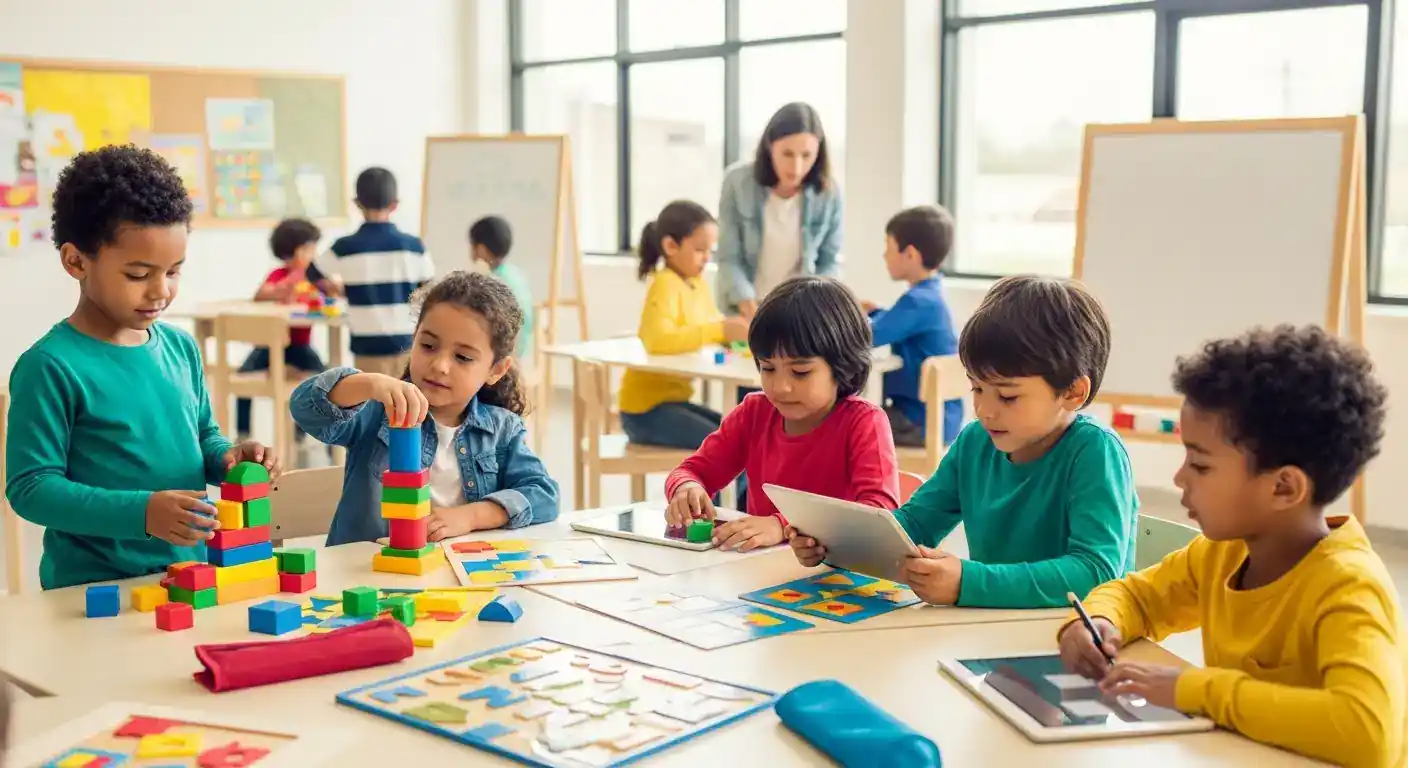
Building strong family foundations is paramount for a child's well-being and development. This article delves into how engaging in daily parent-child activities that deepen emotional bonds and family cohesion can foster a secure, loving, and resilient family unit. It's not about grand gestures but the consistency and intentionality of small, everyday moments. These interactions, woven into the fabric of daily life, cultivate a sense of belonging and mutual understanding that lasts a lifetime. By prioritizing these connections, parents can significantly impact their child's emotional intelligence and overall happiness.
Key Points:
- Intentional Interaction: Prioritize quality over quantity in daily moments.
- Emotional Security: Consistent engagement builds a child's sense of safety.
- Skill Development: Shared activities enhance communication and problem-solving.
- Lasting Memories: Everyday rituals create cherished family traditions.
- Reduced Stress: Strong bonds provide a buffer against life's challenges.
Understanding the Foundation of Strong Family Bonds
The bedrock of a thriving family lies in the quality of its relationships. Daily parent-child activities that deepen emotional bonds and family cohesion are crucial because they create consistent opportunities for positive interaction. These routine moments help children develop a secure attachment style, which is vital for their mental health and future relationships. It's in these ordinary interactions that children learn trust, empathy, and how to navigate emotions.
Research consistently highlights the long-term benefits of secure attachment. A 2023 review in Developmental Psychology indicated that children with secure attachments exhibit better emotional regulation, higher self-esteem, and stronger social skills. The key isn't just spending time together, but engaging intentionally. This means being fully present and responsive during interactions, even if they are brief. For example, a shared laugh during breakfast or a focused chat while walking to school can be more impactful than hours spent in the same room but on separate devices.
The Science of Connection: Why Daily Interaction Matters
From a neurological perspective, positive daily interactions stimulate the release of oxytocin, often called the "love hormone," which strengthens feelings of attachment and trust. These consistent, warm exchanges help wire a child's brain for emotional resilience and positive social engagement. It's a continuous feedback loop where positive interactions lead to stronger bonds, which in turn encourage more positive interactions. This ongoing cycle helps children feel seen, heard, and valued, reinforcing their sense of self-worth.
Furthermore, integrating meaningful touch, like hugs or playful physical contact, into daily routines significantly contributes to this bonding process. A 2024 article in Child Development Perspectives underscored that physical affection is a powerful non-verbal communicator of love and security, directly impacting a child's emotional well-being. It's about creating a consistent emotional "home" for your child, where they feel safe to express themselves and explore the world.
Simple Daily Parent-Child Activities for Deeper Connections
Incorporating daily parent-child activities that deepen emotional bonds and family cohesion doesn't require elaborate plans or significant time commitments. The true power lies in their simplicity and regularity. These activities become rituals, offering comfort and predictability.
Morning Rituals: Starting the Day Connected
The start of the day sets the tone. Instead of rushing, create small moments of connection.
- Breakfast Banter: Enjoy meals together, asking about their dreams or plans for the day. Listen actively to their responses.
- Morning Hugs & Chats: A sustained hug before school or a quick, focused conversation about their day ahead can make a big difference. This simple act acknowledges their presence and importance.
- Getting Ready Together: Even mundane tasks like brushing teeth or choosing clothes can be opportunities for lighthearted interaction or singing a favorite song.
Afternoon Engagements: Bridging School and Home
The period after school or childcare is a prime time to reconnect and process the day.
- After-School Download: Ask open-ended questions like, "What was the most interesting thing that happened today?" rather than "How was your day?" This encourages more detailed sharing.
- Shared Chores: Turn tasks like setting the table or tidying up into a collaborative effort. Play music, assign roles, and celebrate completion together. This teaches teamwork and responsibility.
- Creative Play: Dedicate 15-30 minutes to unstructured play, letting the child lead. This could be building with blocks, drawing, or imaginative role-playing, fostering their creativity and your connection.
Evening Wind-Down: Cultivating Calm and Closeness
Evenings offer a natural transition to deeper emotional engagement and reflection.
- Bedtime Stories & Talks: Reading aloud is a classic bonding activity. Follow it with a brief "rose and thorn" discussion about their day, where they share a positive and a challenging moment.
- Family Games: Board games, card games, or even simple charades create laughter and shared experiences. These structured interactions teach rules, patience, and good sportsmanship.
- Reflective Conversations: As children get older, engage in deeper discussions about values, current events, or their aspirations. This builds their critical thinking and shows you value their perspective.
Fostering Emotional Intelligence Through Shared Experiences
Fostering family connection through play and shared learning experiences goes beyond mere entertainment; it's a powerful tool for developing emotional intelligence. Children learn to identify, express, and manage their emotions when parents model and guide them through various activities. This builds their resilience and empathy.
Active Listening & Communication
One of the most impactful ways to deepen bonds is through genuine communication. When a child speaks, put down your phone, make eye contact, and truly listen. Reflect back what you hear to show you understand, even if you don't agree. For example, "It sounds like you're really frustrated about that situation with your friend." This validates their feelings and teaches them the importance of being heard.
Collaborative Play & Learning
Engaging in activities that require teamwork and creative problem-solving can significantly enhance family cohesion.
- Cooking Together: From planning meals to chopping vegetables (age-appropriate, of course), cooking is a sensory and collaborative experience. It teaches life skills and creates delicious memories.
- Arts & Crafts Projects: Whether it's painting, making collages, or building a fort, creative projects encourage self-expression and shared achievement. Focus on the process, not just the product.
- Gardening: Planting seeds, tending to plants, and harvesting vegetables teaches patience, responsibility, and provides a tangible reward for teamwork.
Outdoor Adventures & Exploration
Nature offers endless opportunities for connection and learning. These experiences provide a fresh perspective and shared sense of wonder.
- Nature Walks: Explore a local park or trail. Point out interesting plants, animals, or even cloud formations. This encourages observation and conversation.
- Backyard Camping/Stargazing: Even a night in the backyard tent or simply lying on a blanket to watch the stars can create magical, lasting memories.
- Bike Rides or Picnics: Simple outings provide active fun and a chance to enjoy each other's company in a relaxed setting. According to a recent study presented at the National Conference on Child Well-being 2025, outdoor play significantly correlates with reduced childhood anxiety and improved family relationships.
Practical Tips for Sustaining Family Cohesion
Maintaining strong family bonds requires effort and adaptability. Life gets busy, but consistent, small efforts yield significant returns.
Consistency is Key, Not Perfection
The goal isn't to be a perfect parent or to execute every activity flawlessly. It's about showing up consistently. Even five minutes of focused, present interaction each day can have a profound impact. Don't let occasional misses derail your overall commitment.
Flexibility and Adaptation
As children grow, their interests and needs change. Be flexible and willing to adapt your activities. What works for a toddler won't necessarily resonate with a teenager. Involve your children in choosing activities, giving them a sense of ownership and increasing their engagement. This adaptability also shows respect for their evolving personalities.
Parental Self-Care: The Foundation of Good Parenting
You can't pour from an empty cup. Prioritizing your own well-being—whether through rest, hobbies, or connecting with other adults—ensures you have the emotional reserves to engage meaningfully with your children. A well-rested and less-stressed parent is more present and patient.
Setting Realistic Expectations
Understand that some days will be better than others. There will be resistance, meltdowns, and moments of frustration. These are normal parts of family life. Focus on repair and reconnection after difficult moments, which teaches children about forgiveness and resilience. As a seasoned child development specialist, I've observed that families who openly discuss challenges and work through them together often develop even stronger bonds.
FAQ Section
Q1: How much time is really needed for effective daily bonding? A: You don't need hours; quality trumps quantity. Even 10-15 minutes of focused, intentional interaction each day can be highly effective. This might be during breakfast, after school, or at bedtime. The key is to be fully present and engaged, making eye contact and actively listening, rather than passively coexisting in the same space. Consistency in these small moments builds significant connection over time.
Q2: What if my child resists participating in suggested activities? A: Resistance is often a sign they need agency or feel pressured. Try offering choices (e.g., "Do you want to read or play a quick game?"). You can also join them in an activity they choose, even if it's not your preference, to show interest in their world. Sometimes, just being present while they play independently, offering occasional encouraging words, can open the door for later shared activity.
Q3: Are these activities suitable for all age groups, from toddlers to teenagers? A: Yes, the principles apply across all ages, but the specific activities must be adapted. For toddlers, it's peek-a-boo and reading board books. For preschoolers, imaginative play and simple chores. School-aged children enjoy games and collaborative projects. Teenagers benefit from deep conversations, shared hobbies, and even watching movies or cooking together. The core idea is always shared presence and connection.
Q4: How do I make new daily parent-child activities a consistent habit? A: Start small and integrate new activities into existing routines. For instance, add a 5-minute story to your bedtime routine. Create a simple family "menu" of activities your child can choose from. Being consistent yourself is the best model. Don't strive for perfection; if you miss a day, simply pick it up again the next, reinforcing that these moments are important to your family.
Conclusion
The journey of parenthood is enriched by the intentional effort to create daily parent-child activities that deepen emotional bonds and family cohesion. These aren't just pleasant pastimes; they are critical investments in your child's emotional health, resilience, and overall development. By prioritizing consistent, meaningful interactions, you are not only shaping happier children but also building a resilient family unit that can navigate life's challenges together. Remember, the greatest legacy we can leave our children is a foundation of unconditional love and a deep sense of belonging.
We encourage you to experiment with these suggestions and find what resonates best with your family. Share your own favorite bonding activities in the comments below, or subscribe to our newsletter for more insights into positive parenting and creating memorable family traditions. For further reading on child development and educational strategies, explore our other content on Educational Learning Activities and how to understand child development milestones. Consider exploring ways for creating memorable family traditions to further enhance your family's connection.
Future Topic Exploration:
- Strategies for maintaining family cohesion during challenging life transitions.
- Integrating technology thoughtfully to enhance, rather than detract from, family bonding.
- Age-specific bonding activities for teenagers and young adults.