Daily Rituals of Play: Simple Ways to Deepen Family Bonds and Create Lasting Memories
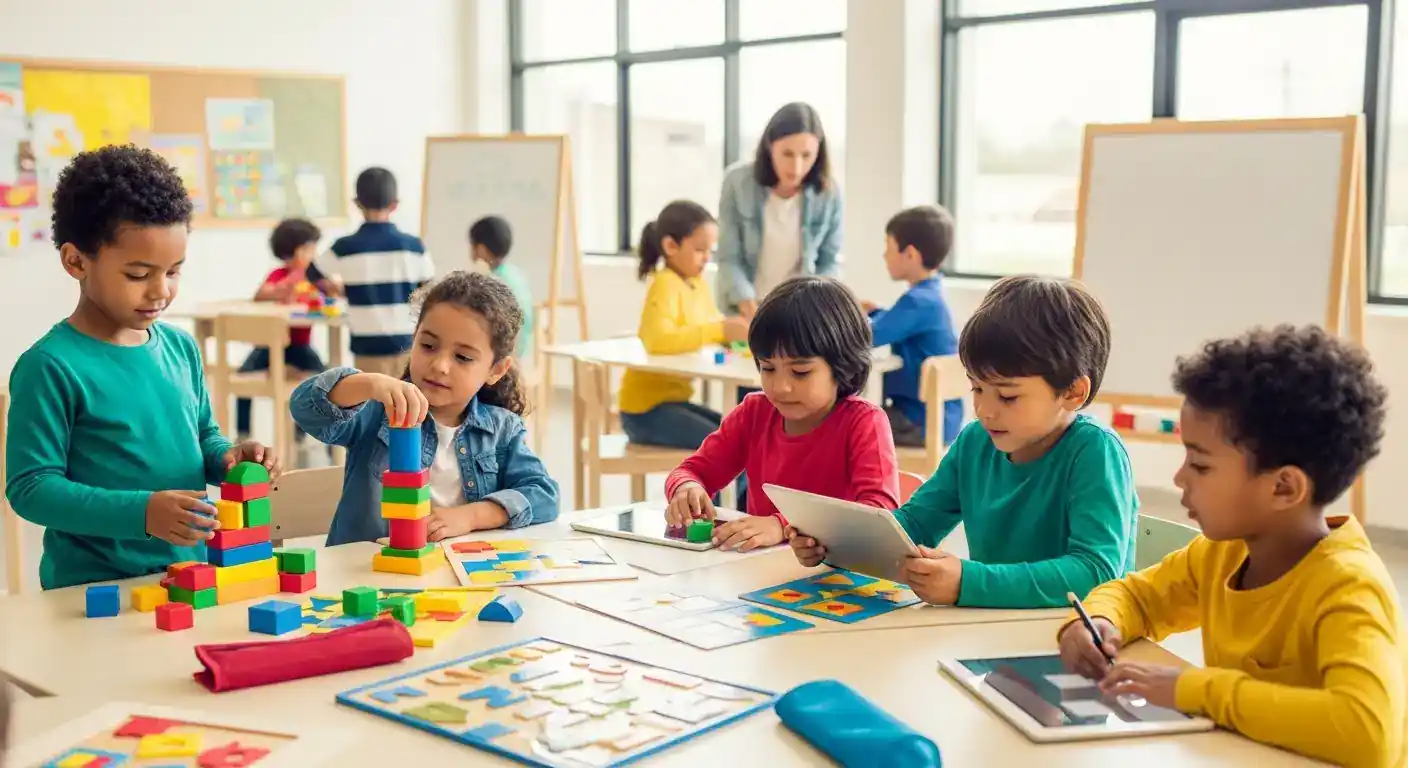
Life moves fast, and often, the most precious moments—those that foster connection and create lasting memories—get sidelined by daily demands. But what if there was a simple, joyful solution embedded right into your routine? This article explores how embracing daily rituals of play can profoundly deepen family bonds, transforming ordinary moments into extraordinary connections. It's not about elaborate plans or expensive toys, but about intentional, consistent engagement that prioritizes joy and togetherness.
Through play, families build a unique language of love, trust, and shared experience. These small, consistent interactions act as emotional anchors, reinforcing relationships and providing a sense of security and belonging for every family member. Let's delve into practical, engaging ways to weave the magic of play into your everyday life, ensuring a happier, more connected family unit.
Key Points:
- Intentional Play: Transform routine into opportunities for meaningful connection.
- Boost Emotional Bonds: Play enhances communication and mutual understanding.
- Creative Expression: Utilize arts and crafts to stimulate imagination and bonding.
- Lasting Memories: Consistent rituals create a rich tapestry of shared family history.
- Simple & Accessible: Find easy, everyday play ideas that fit any schedule.
The Power of Daily Rituals of Play for Stronger Family Bonds
In an increasingly disconnected world, establishing daily rituals of play offers a powerful antidote, nurturing the very fabric of family life. These consistent, joyful interactions are far more than just fun; they are crucial for emotional development, communication, and building a secure attachment. When families consistently engage in playful activities, they create a shared world where everyone feels seen, heard, and valued.
Fostering Emotional Connection and Communication
Play acts as a universal language, especially for children who may not yet have the vocabulary to express complex emotions. Engaging in play together allows parents to observe their children's world, understand their perspectives, and respond with empathy. This direct interaction builds a robust emotional bridge. According to a 2024 report by the American Academy of Pediatrics, regular unstructured play with parents significantly improves a child's social-emotional competence and their ability to communicate needs effectively. This is particularly true when play involves shared laughter and problem-solving, which strengthen neural pathways associated with positive social interaction.
Building Shared Narratives and Lasting Memories
Every shared game, every collaborative craft project, every silly moment becomes a part of the family's unique narrative. These are the stories that will be recounted for years to come, forming the bedrock of lasting memories. These shared experiences are vital; they provide a sense of continuity and belonging, reminding family members of their collective journey. Through these small, repeated acts, families reinforce their identity and strengthen their collective history.
Intentionality in Daily Play Rituals: A Differentiated Approach
Many families recognize the importance of playtime, but the true magic lies in intentionality. This isn't just about setting aside time for play, but about consciously choosing activities that foster specific developmental goals or emotional connections. This focused approach differentiates casual playtime from transformative daily rituals of play.
Mindful Play Practices for Deeper Engagement
Mindful play involves being fully present and engaged in the moment, free from distractions. This means putting away phones, focusing solely on the interaction, and genuinely listening to your child's ideas and input. For example, during a block-building session, instead of just watching, actively participate by asking open-ended questions like, "What should this part be?" or "How can we make it stronger?" This deep engagement signals to your child that they are your priority. This intentional presence during play boosts their self-esteem and makes them feel truly connected.
Process Over Product in Creative Arts and Crafts
In the realm of creative arts and crafts, intentionality shifts focus from the finished product to the process of creation. For young children especially, the act of painting, sculpting, or drawing is far more valuable than the masterpiece itself. Encouraging exploration with materials, allowing for "mistakes," and celebrating effort over perfection fosters creativity and reduces performance pressure. This approach, as highlighted by insights from the latest research published in the 'Journal of Applied Developmental Psychology' in 2023, encourages resilience and a love for learning. When parents join in without judgment, it creates a safe space for imaginative expression and strengthens the bond. Consider exploring this further with specific ideas found in our /categories/arts-and-crafts.
Practical Daily Rituals of Play for Busy Families
Integrating daily rituals of play doesn't require hours of free time. The key is finding small, consistent opportunities that fit naturally into your family's rhythm. Here are some simple, yet powerful ideas:
Morning Momentum Boosters
- ☀️ "Good Morning Giggles": Before getting out of bed, spend five minutes tickling, wrestling gently, or telling silly stories. This sets a positive, connected tone for the entire day.
- 🥞 "Breakfast Art": Use fruit, toast, or pancakes to create edible art. Encourage everyone to design their own plate, turning a routine meal into a mini creative session.
- 🚶♀️ "Walk and Wonder": If you walk to school or daycare, turn it into a scavenger hunt. "Find something red," "Spot a bird," or "Listen for a unique sound." This engages senses and observation.
Afternoon Recharge Activities
- 🎨 "Afternoon Art Blitz": After school, dedicate 10-15 minutes to a quick art project. This could be drawing, coloring, or even a simple craft. It's a great way to decompress and reconnect. For more ideas, visit
/articles/creative-family-craft-ideas-for-all-ages. - 📚 "Story Stretch": Read a story, but pause frequently to ask "What happens next?" or "How do you think they feel?" Encourage imaginative input, turning passive listening into active participation.
- 🎶 "Music & Movement Break": Put on some favorite music and have an impromptu dance party. Even five minutes of silly dancing can release energy and bring smiles.
Evening Wind-Down Wonders
- 🧩 "Bedtime Builders": Before bed, spend a few minutes building with LEGOs, blocks, or even a simple puzzle. It’s calming, focused play that doesn’t overstimulate.
- 🎲 "Family Game Night Mini": Instead of a full game night, pick a quick card game or dice game to play for 10-15 minutes after dinner. This fosters friendly competition and teamwork.
- 🌟 "Starry Storytelling": Lie down together (indoors or out) and take turns making up stories about the "stars" or objects you see. This imaginative play fosters creativity and shared narratives.
Integrating Creative Arts for Deeper Family Connection
Creative arts offer a unique pathway to deepening family bonds, allowing for expression, collaboration, and the creation of tangible lasting memories. These activities are more than just entertainment; they are vehicles for learning, problem-solving, and emotional release.
Beyond the Basics: Storytelling & Role-Play
Storytelling and role-play are powerful tools for imaginative development and empathy. Take turns building a story, each person adding a sentence or two. Assign roles and act out scenarios, whether it's a trip to the moon or a day at the animal hospital. This not only sparks creativity but also allows children to process experiences and explore different perspectives. Engaging in these kinds of narratives has been shown to enhance cognitive flexibility, according to research from the National Institute for Play in 2025. It's an excellent way to boost communication and emotional intelligence, and you can delve deeper into understanding how these activities contribute to child development by exploring resources like /articles/understanding-child-development-through-play.
Crafting Together: A Path to Lasting Memories
Collaborative crafting projects are a cornerstone of many successful daily rituals of play. From painting a mural together to creating a family scrapbook, the act of making something as a unit is incredibly bonding. It teaches teamwork, patience, and the joy of shared accomplishment. These creations aren't just objects; they are physical representations of time spent together, each brushstroke or glued pom-pom carrying a memory. For example, creating a "Family Dreams" collage where each person adds images representing their hopes and goals can be a profound exercise in shared vision. The beauty of creative arts and crafts lies in their accessibility and endless possibilities for expression, solidifying your family's unique identity.
Frequently Asked Questions About Family Play
### Why are daily rituals important for family bonding?
Daily rituals provide predictability and a sense of security, especially for children. Consistent playful interactions create dedicated moments for connection, building a strong emotional foundation and shared experiences that become lasting memories. They signal to every family member that they are valued and that quality time together is a priority, reinforcing trust and attachment.
### What are simple play ideas for busy parents?
Simple play ideas for busy parents focus on integrating short bursts of fun into existing routines. This could include five minutes of "Good Morning Giggles" in bed, a quick game of "I Spy" during a car ride, or collaborative storytelling during dinner prep. The key is consistency and presence, even if it's for brief periods, rather than long, elaborate activities.
### How can creative arts and crafts enhance family play?
Creative arts and crafts offer a fantastic outlet for expression and collaboration. They allow families to work together on a shared project, fostering teamwork, problem-solving skills, and a sense of accomplishment. The process of creation itself, rather than just the final product, nurtures imagination and provides a unique way to create tangible lasting memories, deepening bonds through shared artistic endeavor.
### How much playtime is ideal for families?
While there's no magic number, experts suggest aiming for at least 15-30 minutes of dedicated, intentional play each day. This doesn't need to be a single block of time but can be broken into several short rituals. The quality of the interaction—being fully present and engaged—is far more important than the quantity of time spent. Consistency is key to building daily rituals of play.
Embrace the Joy of Daily Play
Cultivating daily rituals of play is one of the most rewarding investments you can make in your family's well-being. It’s about more than just fun; it’s about intentionally carving out space for connection, understanding, and joy in a busy world. These simple habits build resilience, foster communication, and create a treasure trove of lasting memories that will enrich your family for years to come. Start small, be consistent, and watch your family bonds deepen and flourish.
We encourage you to share your favorite family play rituals in the comments below! What creative activities have brought your family closer?
Continue your journey of family connection:
- Explore more hands-on activities:
/categories/arts-and-crafts - Discover the benefits of outdoor adventures:
/articles/benefits-of-outdoor-play-for-families - Dive deeper into the psychology of play:
/articles/understanding-child-development-through-play
(Note: This content is updated regularly to provide the latest insights into family well-being and child development.)