Develop Social-Emotional Skills: Engaging Activities to Cultivate Empathy in Young Children
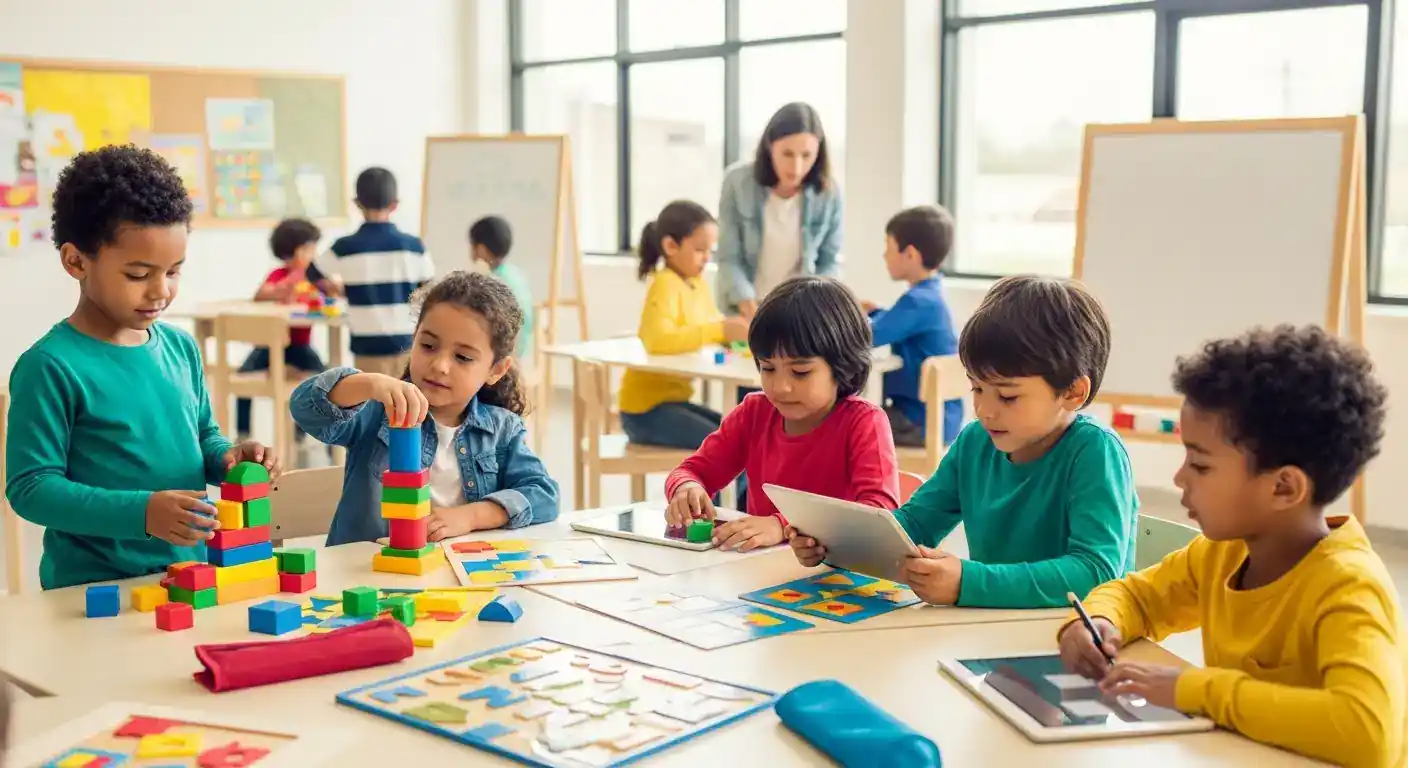
The ability to understand and share the feelings of others, known as empathy, is a cornerstone of positive social interactions and healthy relationships. For young children, developing strong social-emotional skills, including empathy, is crucial for navigating their world, building friendships, and succeeding in school and life. This article explores practical, engaging activities designed to help cultivate empathy in young children, providing parents and educators with actionable strategies to nurture this vital trait from an early age. By integrating these playful and meaningful experiences, we can empower the next generation to be more compassionate and understanding individuals.
Key Points
- Empathy is a foundational social-emotional skill vital for early childhood development.
- Engaging activities like storytelling, role-playing, and art foster perspective-taking and emotional understanding.
- Music and movement offer unique, non-verbal avenues for children to connect with and express emotions.
- Adult modeling of empathetic behavior and active listening are crucial for a child's empathetic growth.
- Early and consistent efforts to cultivate empathy significantly impact lifelong emotional intelligence and social competence.
Why Cultivating Empathy Matters for Young Children
Empathy is more than just feeling sorry for someone; it's the capacity to imagine and appreciate another person's feelings and perspectives. For young children, this skill translates into better communication, problem-solving, and conflict resolution. When children can understand how their actions affect others, they are more likely to make positive choices and build stronger bonds. Nurturing empathy helps them move beyond self-centeredness, fostering a sense of community and kindness in their interactions.
Developing social-emotional skills, with empathy at its core, equips children with the tools they need to thrive. It helps reduce bullying, promotes inclusivity, and enhances overall well-being. A child who can recognize sadness in a friend's eyes or joy in a shared laugh is a child better prepared for the complexities of human connection. The earlier we start to cultivate empathy in young children, the deeper its roots will grow.
Understanding Empathy in Early Childhood Development
Empathy isn't a switch that suddenly turns on; it develops gradually through various stages in early childhood. Infants show early signs of emotional contagion, crying when another baby cries. As toddlers, they begin to offer comfort, even if clumsily, like giving a hug to an upset peer. By preschool age, children start to grasp more complex emotions and can begin to understand cause and effect related to feelings.
Recent research published in the Journal of Cognitive Development in late 2023 highlights the role of "emotional literacy" – the ability to identify and describe one's own and others' feelings – as a critical precursor to complex empathetic responses. Children who have a richer emotional vocabulary are better equipped to process and respond empathetically to others. Furthermore, studies on mirror neurons, often discussed in developmental psychology research from institutions like the University of California, Berkeley's Greater Good Science Center (published throughout 2023-2024), suggest that our brains are wired to connect with others' experiences, laying a biological foundation for empathy even in very young children. This understanding guides our approach to develop social-emotional skills through targeted activities.
Engaging Activities to Cultivate Empathy in Young Children
To effectively cultivate empathy in young children, we need to provide rich, hands-on experiences that encourage perspective-taking and emotional recognition. These activities transform abstract concepts into tangible, memorable lessons.
Storytelling and Role-Playing for Perspective-Taking
Stories are powerful tools for empathetic development. When children listen to narratives, they step into the shoes of characters, experiencing their joys and sorrows.
- Puppet Shows: Use puppets to act out scenarios where characters face dilemmas or experience strong emotions. Ask children, "How do you think the puppy feels when his toy breaks?" or "What could the little bear do to help his friend?"
- Reading Diverse Books: Select storybooks that feature characters from various backgrounds and situations. Discuss the characters' feelings and motivations. A 2024 report by the National Association for the Education of Young Children (NAEYC) emphasizes the profound impact of diverse literature on children's understanding of others.
- "Feeling Charades": Children act out different emotions (happy, sad, angry, surprised), and others guess the feeling. This playful game helps them recognize facial expressions and body language associated with various emotional states. This fosters a deeper understanding beyond just words.
Music and Movement: Connecting Through Shared Emotion
Music and movement activities provide a unique, non-verbal avenue for children to explore and express emotions. They can synchronize their movements with others, feeling a sense of shared experience.
- Emotional Dance: Play different types of music (slow, fast, calm, exciting) and encourage children to move their bodies in ways that express how the music makes them feel. Discuss the emotions evoked by each piece.
- Singing Songs About Feelings: Incorporate songs that name and describe various emotions. Songs like "If You're Happy and You Know It" can be adapted to include other feelings, helping children identify and label their internal states.
- Collaborative Rhythms: Engage children in group drumming or rhythm exercises where they must listen and respond to each other's beats. This teaches cooperation and attunement. For more inspiration on how rhythm aids development, explore our comprehensive guide to music and movement activities.
Art and Creative Expression: Visualizing Feelings
Art offers a safe outlet for children to process and communicate their emotions, which is vital for building empathetic understanding.
- "Feeling Faces" Drawings: Provide art supplies and ask children to draw faces showing different emotions. They can then share their drawings and explain what might make someone feel that way.
- Emotion Masks: Help children create masks representing various emotions. They can wear the masks and act out scenarios corresponding to the feeling, prompting discussion about why someone might feel that way.
Nature Exploration and Animal Care: Expanding Compassion
Connecting with nature and caring for living things can naturally extend a child's capacity for empathy beyond human interactions.
- Caring for a Class Pet or Plant: Simple tasks like watering a plant or helping to feed a classroom pet teach responsibility and consideration for other living beings' needs.
- Observing Insects: Gently observing insects in their natural habitat encourages respect for all creatures and an understanding of their role in the ecosystem. Discussing how an insect might feel if its home were disturbed can spark early environmental empathy.
Mindfulness and Emotional Regulation: Building Self-Awareness
Before children can empathize with others, they need a basic understanding of their own emotions. Mindfulness practices can help develop social-emotional skills from within.
- "Feeling Check-ins": Regularly ask children, "How are you feeling right now?" and encourage them to articulate their emotions. Provide a "feelings chart" with pictures to assist younger children.
- Simple Breathing Exercises: Teach children basic breathing techniques (e.g., "starfish breathing" where they trace their fingers while inhaling and exhaling) to help them calm down and become aware of their internal state. This self-awareness is a stepping stone to understanding others.
The Role of Educators and Parents in Nurturing Empathy
Adults are the most influential models for children. Our actions and responses significantly impact a child's empathetic development.
Modeling Empathetic Behavior
Children learn by observing. When adults demonstrate empathy, children internalize these lessons.
- Express Your Feelings: Openly share your own feelings and how you cope with them. "I'm feeling a little frustrated right now because this puzzle piece isn't fitting, but I'll take a deep breath."
- Show Kindness to Others: Let children see you perform acts of kindness, whether it's helping a neighbor, donating old clothes, or offering comfort to someone in distress.
- Apologize When Necessary: If you make a mistake or unintentionally hurt someone's feelings, model apologizing sincerely and explaining why. This shows vulnerability and the importance of acknowledging impact.
Active Listening and Validating Feelings
Creating a safe space where children feel heard is paramount.
- Listen Without Judgment: When a child expresses a feeling, listen carefully without immediately jumping to solutions or dismissals.
- Validate Their Emotions: Say things like, "I can see you're feeling very sad right now," or "It sounds like you're angry because your block tower fell down." This helps them feel understood. For guidance on communicating effectively with children, consider reading about effective communication strategies for parents.
Facilitating Conflict Resolution
Disagreements are inevitable, but they are also prime opportunities to cultivate empathy in young children.
- Guide, Don't Solve: Instead of solving conflicts for them, guide children through the process. Ask open-ended questions: "How do you think your friend felt when you took their toy?" or "What could we do to make everyone feel better?"
- Encourage Perspective-Taking: Help children articulate the other person's feelings and needs. "Sarah wanted to play with that toy too, and now she feels left out." These discussions are vital for building healthy social skills in preschoolers.
A comprehensive study published in Early Childhood Education Journal in early 2024 emphasized that consistent parental involvement in emotional discussions and conflict mediation significantly correlates with higher levels of pro-social behavior and empathetic responses in children.
Addressing Challenges in Teaching Empathy
Developing empathy is a journey, not a destination. Some children may naturally be more attuned to others' emotions, while others require more explicit teaching and consistent practice. Be patient, understanding that progress may be slow but is always valuable. Avoid shaming a child for a lack of empathy; instead, focus on guiding them gently towards understanding others' perspectives through continued exposure to these engaging activities. Consistency is key; empathetic lessons woven into daily life yield the best results.
Frequently Asked Questions
Q1: At what age can children start to develop empathy? Children begin to show early signs of empathy, like emotional contagion, in infancy. By 18-24 months, toddlers may start offering comfort to others. True perspective-taking, where they can imagine what another person is thinking or feeling, typically develops more robustly during the preschool and early elementary years as their cognitive abilities mature.
Q2: How can I encourage my shy child to participate in empathy-building activities? For shy children, start with one-on-one activities or small group settings where they feel safe and comfortable. Role-playing with puppets or plush toys can be less intimidating than direct interaction. Gradually introduce them to group activities, ensuring they always have a supportive adult nearby. Positive reinforcement for any attempt to engage is crucial.
Q3: Is empathy something children are born with, or is it learned? Empathy has both innate and learned components. Humans are born with a biological predisposition for connection and emotional mirroring. However, the full development of empathetic abilities – including cognitive empathy (understanding another's perspective) and emotional empathy (feeling what another feels) – is significantly shaped by environment, experiences, and adult guidance. It's a skill that can be nurtured and strengthened.
Q4: What if a child consistently shows a lack of empathy? If a child consistently struggles with empathy despite consistent teaching and modeling, it's worth considering if there are underlying developmental factors. A consultation with a pediatrician or child development specialist can provide insights and tailored strategies. Often, consistent, patient teaching within a supportive environment can make a significant difference over time.
Conclusion
Cultivating empathy in young children is one of the most important investments we can make in their future, and in the future of our communities. By incorporating engaging activities into daily routines, and by consistently modeling empathetic behavior, we empower children to become compassionate, thoughtful, and socially intelligent individuals. Remember that every small interaction, every shared story, and every moment of emotional connection contributes to building a child's capacity for empathy.
We hope these engaging activities inspire you to foster a deeper sense of understanding and kindness in the young children around you. Share your favorite empathy-building activities or success stories in the comments below!
Extended Reading Suggestions:
- The Power of Play-Based Learning for Holistic Child Development
- Nurturing Emotional Intelligence in Toddlers: A Guide for Parents
- Creative Arts for Child Development: Fostering Expression and Connection