Educational Activities for Children: Learning and Bonding Together
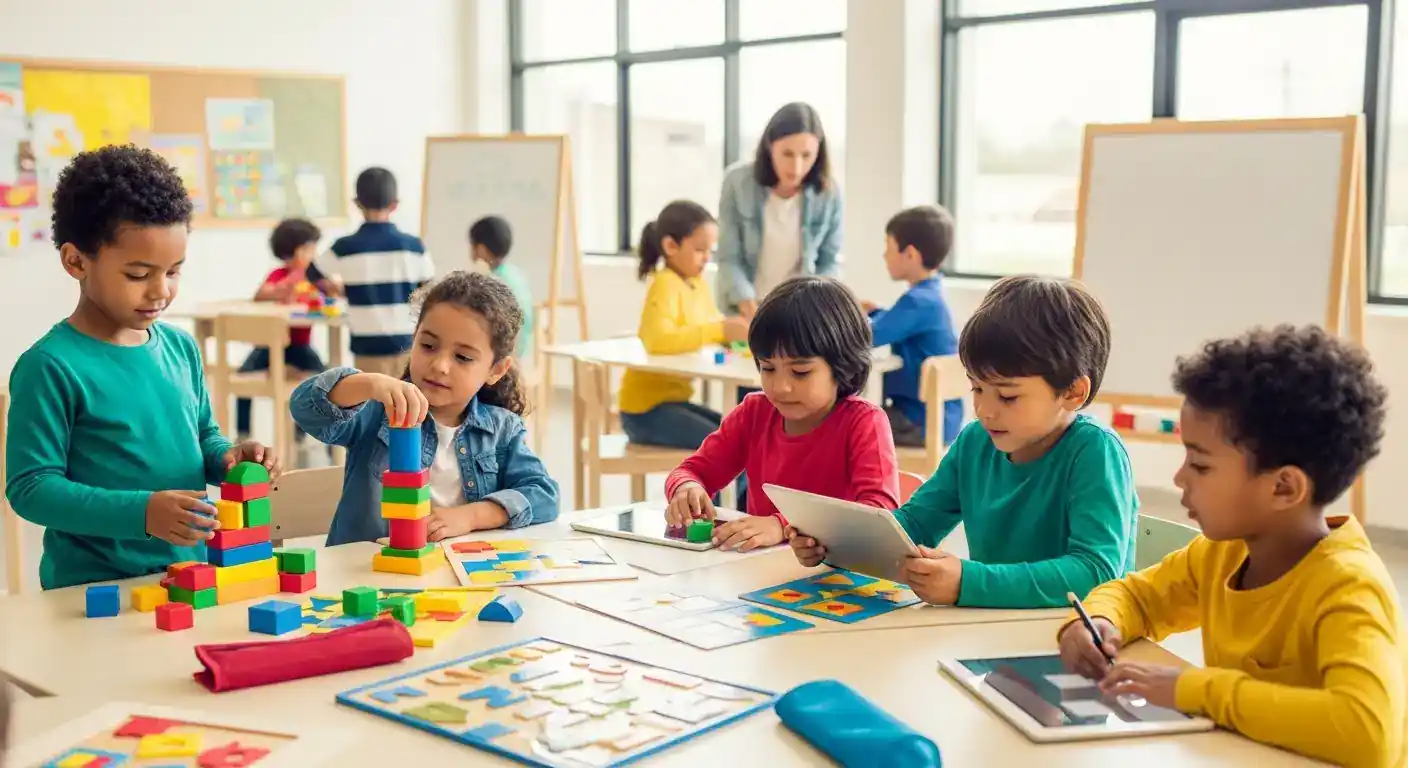
Educational activities for children offer invaluable opportunities for learning and strengthening family bonds. By engaging in stimulating activities together, parents and children can create lasting memories while fostering a love of learning. These shared experiences contribute significantly to a child's development, boosting cognitive skills, creativity, and emotional intelligence.
Key Points:
- Bonding through Learning: Shared activities create quality time and strengthen family connections.
- Cognitive Development: Educational play stimulates critical thinking and problem-solving skills.
- Creative Exploration: Hands-on activities encourage imagination and artistic expression.
- Emotional Growth: Collaborative play promotes teamwork and emotional intelligence.
Educational Activities for Children: Fostering Growth and Connection
Choosing the right educational activities for children can transform learning into a fun and engaging experience. From simple crafts to interactive games, the possibilities are endless. Focusing on activities that align with a child's interests and developmental stage is key to maximizing their learning potential.
Engaging Educational Activities for Preschoolers
For younger children, focus on sensory exploration and hands-on play. Activities like building with blocks, finger painting, and singing nursery rhymes help develop fine motor skills, language development, and creativity. A 2024 study by the Early Childhood Education Journal highlighted the importance of play-based learning in fostering cognitive development in preschoolers.
Educational Activities for Elementary School Children
As children progress to elementary school, introducing more complex activities is crucial. Science experiments, board games, and creative writing projects challenge their critical thinking skills and encourage problem-solving. For example, building a simple volcano using baking soda and vinegar can teach basic chemical reactions in an engaging way.
Educational Activities for Tweens and Teens
Keeping older children engaged requires more sophisticated approaches. Coding projects, robotics clubs, and debates can spark their interest in STEM fields and develop their analytical skills. Encouraging them to participate in extracurricular activities related to their interests further enhances their learning experience. A 2023 report by the National Education Association emphasized the importance of engaging adolescents in project-based learning to foster deeper understanding and critical thinking.
Educational Activities for Children: Making Learning Fun
Incorporating learning into everyday routines can also create meaningful educational experiences. Cooking together can be a great opportunity to teach math concepts like fractions and measurements. Gardening provides hands-on experience with science and nature. These everyday educational activities for children make learning a natural and enjoyable part of life.
Differentiated Learning Activities
Beyond traditional activities, consider incorporating personalized learning experiences based on your child's unique interests. This might involve exploring specific historical periods, learning a new language, or delving into a particular scientific field. Furthermore, leveraging technology in educational activities can provide interactive and personalized learning opportunities. Educational apps and online platforms offer a wealth of resources that can supplement traditional learning methods. This focus on personalized learning and technology integration sets this guide apart from typical advice on children’s educational activities.
Internal Linking Strategy:
- Learn more about fostering creativity in children: (related article) /articles/fostering-creativity-in-children
- Explore age-appropriate learning activities: (category) /categories/educational-activities
- Discover tips for engaging teens in learning: (related article) /articles/engaging-teens-in-learning
FAQ: Educational Activities for Children
Q1: How can I make learning fun for my child?
A1: Incorporate play-based activities, connect learning to their interests, and provide positive reinforcement. Celebrate their efforts and focus on the joy of discovery rather than just achieving the right answers.
Q2: What are some simple educational activities for toddlers?
A2: Reading books together, singing songs, playing with building blocks, and engaging in sensory activities like playing with water or sand are excellent choices for toddlers. These activities promote early literacy, language development, and fine motor skills.
Q3: How can I support my child's learning at home?
A3: Create a dedicated learning space, establish a regular study routine, and be actively involved in their learning journey. Offer help with homework, encourage them to ask questions, and celebrate their achievements.
Q4: How do I find educational activities that are appropriate for my child's age?
A4: Consult with educational resources, talk to your child's teacher, and observe your child's interests and developmental stage. Numerous online platforms offer age-appropriate activity suggestions, catering to various learning styles and interests.
Conclusion: Learning and Growing Together
Educational activities for children are not just about acquiring knowledge; they're about building strong family bonds and nurturing a lifelong love of learning. By engaging in these activities together, parents and children create cherished memories and lay the foundation for a bright future. Share your favorite educational activities in the comments below and subscribe for more valuable insights. For further reading, explore the "Learning Through Play" guide published by the National Association for the Education of Young Children (NAEYC) in 2025.
Future Expansion Topics:
- Educational activities for children with special needs
- Outdoor learning activities for children
- The role of technology in enhancing children's learning experiences