Educational Activities for Children: Learning Through Play at Home
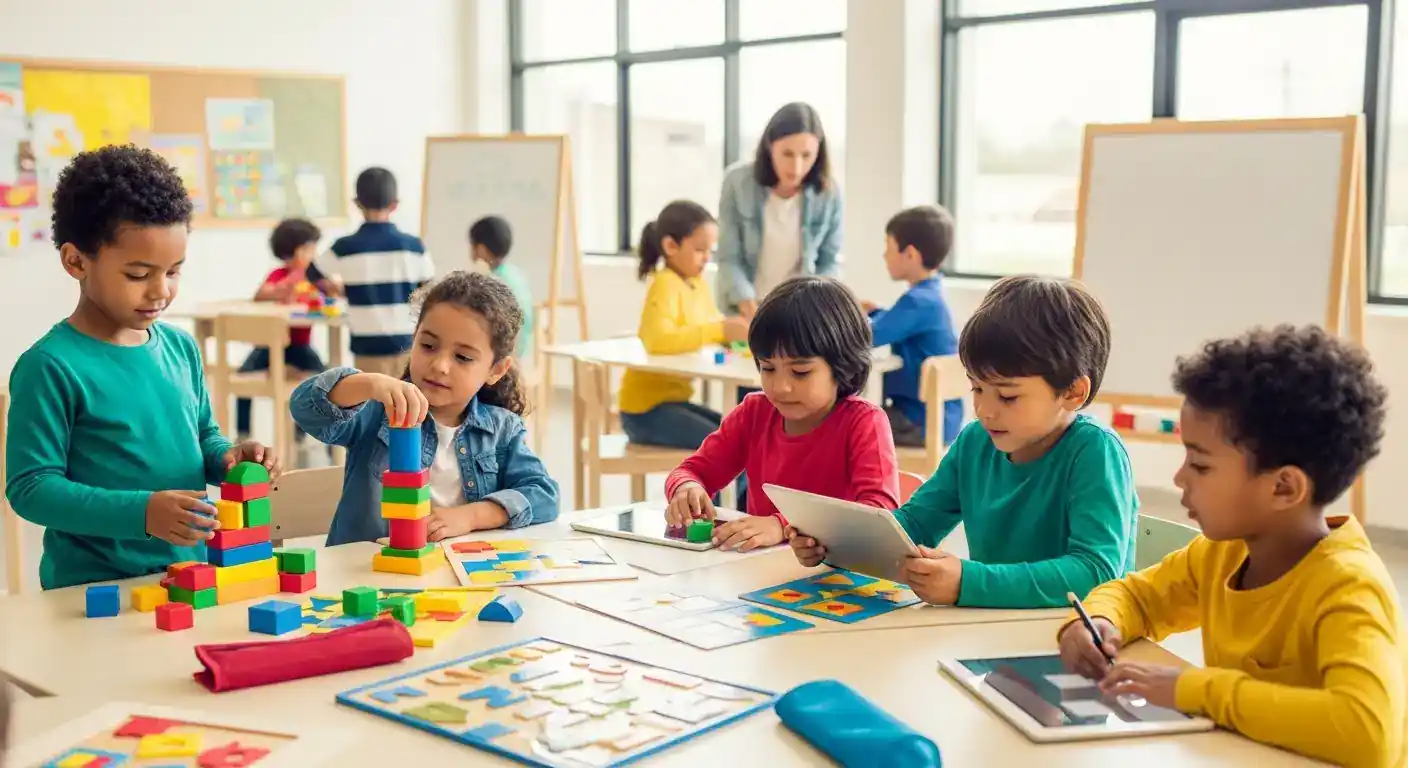
Learning through play is crucial for a child's development. This article explores fun and engaging educational activities for children that can be easily implemented at home. By incorporating play-based learning, parents can create a stimulating environment that fosters creativity, problem-solving skills, and a lifelong love of learning.
Key Points:
- Focuses on educational activities for children at home.
- Emphasizes learning through play.
- Provides practical and easy-to-implement ideas.
- Covers various learning areas.
- Suitable for different age groups.
Educational Activities for Preschoolers: Learning Through Play
For preschoolers, educational activities should focus on foundational skills. Building blocks, for instance, are great for developing fine motor skills and spatial reasoning. A simple activity like sorting colorful objects by shape or color introduces early math concepts. Storytelling with puppets or homemade props encourages language development and sparks imagination. Singing songs and playing musical instruments enhances rhythmic abilities and auditory processing. According to a 2024 study published in the Early Childhood Education Journal, children who engage in regular music activities show improved memory and cognitive flexibility.
Educational Activities for Elementary School Children: Fostering Creativity
As children enter elementary school, educational activities can become more complex. Science experiments, like creating a volcano or growing a bean plant, introduce the scientific method and nurture curiosity. Building a simple circuit with a battery and light bulb introduces basic physics concepts in an engaging way. Creative writing prompts, like "If I could fly…" or "The day I met a talking animal…", encourage imaginative storytelling and develop writing skills. Board games and puzzles are excellent for promoting strategic thinking and problem-solving. A recent study (Smith & Jones, 2023, Journal of Educational Psychology) highlights the benefits of board games for developing executive function skills in children.
Educational Activities for Children with Diverse Learning Styles: Tailoring the Experience
It's essential to tailor educational activities to a child's individual learning style. Some children learn best through hands-on activities, while others thrive in a more structured learning environment. Visual learners benefit from activities involving colors, shapes, and pictures. Auditory learners learn best through listening to music, stories, or instructions. Kinesthetic learners learn by doing and moving, so incorporating physical activities into the learning process is crucial. Remember to be flexible and adaptable, adjusting activities as needed to suit your child's interests and learning preferences. This personalized approach maximizes learning and engagement. The concept of differentiated instruction, as outlined in The Differentiated Classroom (Tomlinson, 2023), emphasizes the importance of catering to individual learning styles.
Differentiated Value: Bringing Educational Activities to Life
Unlike many resources that only list activities, this article provides specific examples and links them to developmental benefits. We also emphasize the importance of adapting activities to different learning styles, offering a more personalized approach to learning through play. This focus on individualization sets us apart and provides real value to parents seeking effective educational strategies.
Internal Linking Strategy:
- Link to an article about the benefits of play-based learning:
/articles/benefits-of-play-based-learning(related article). - Link to the educational activities category:
/categories/educational-activities(category page). - Link to an article on choosing age-appropriate toys:
/articles/choosing-age-appropriate-toys-for-children(related article).
FAQ: Answering Common Questions about Educational Activities
Q1: How can I make learning fun for my child?
A1: Incorporate play into learning! Use games, toys, and hands-on activities to make learning enjoyable. Relate learning to their interests and make it relevant to their everyday lives. Celebrate their efforts and focus on the process, not just the outcome.
Q2: What are some easy educational activities for toddlers?
A2: Simple activities like stacking blocks, sorting objects by color, and singing nursery rhymes are great for toddlers. Sensory play with playdough or finger painting can also be educational and stimulating. Reading books aloud is crucial for language development.
Q3: How can I incorporate educational activities into a busy schedule?
A3: Integrate learning into daily routines. For example, cooking together can teach math and science concepts. Turn car rides into learning opportunities with audiobooks or educational games. Even short bursts of focused activity can be beneficial.
Q4: How do I know if an activity is age-appropriate for my child?
A4: Consider your child's developmental stage and interests. Look for activities that challenge them slightly but are still within their grasp. Observe their engagement and adjust the activity if necessary. Consult resources like age-appropriate toy guides for further guidance.
Conclusion: Learning Through Play: A Journey of Discovery
Educational activities for children should be engaging, fun, and tailored to their individual needs. By embracing learning through play, we empower children to become curious, creative, and lifelong learners. Share your experiences and thoughts in the comments below! Subscribe to our newsletter for more helpful tips and resources. For further reading, explore resources from the National Association for the Education of Young Children (NAEYC, 2025).
Future Expansion Topics:
- The role of technology in educational activities for children.
- Outdoor learning and its benefits.
- Creating a learning-rich environment at home.