Educational Activities for Children: Making Learning Fun at Home
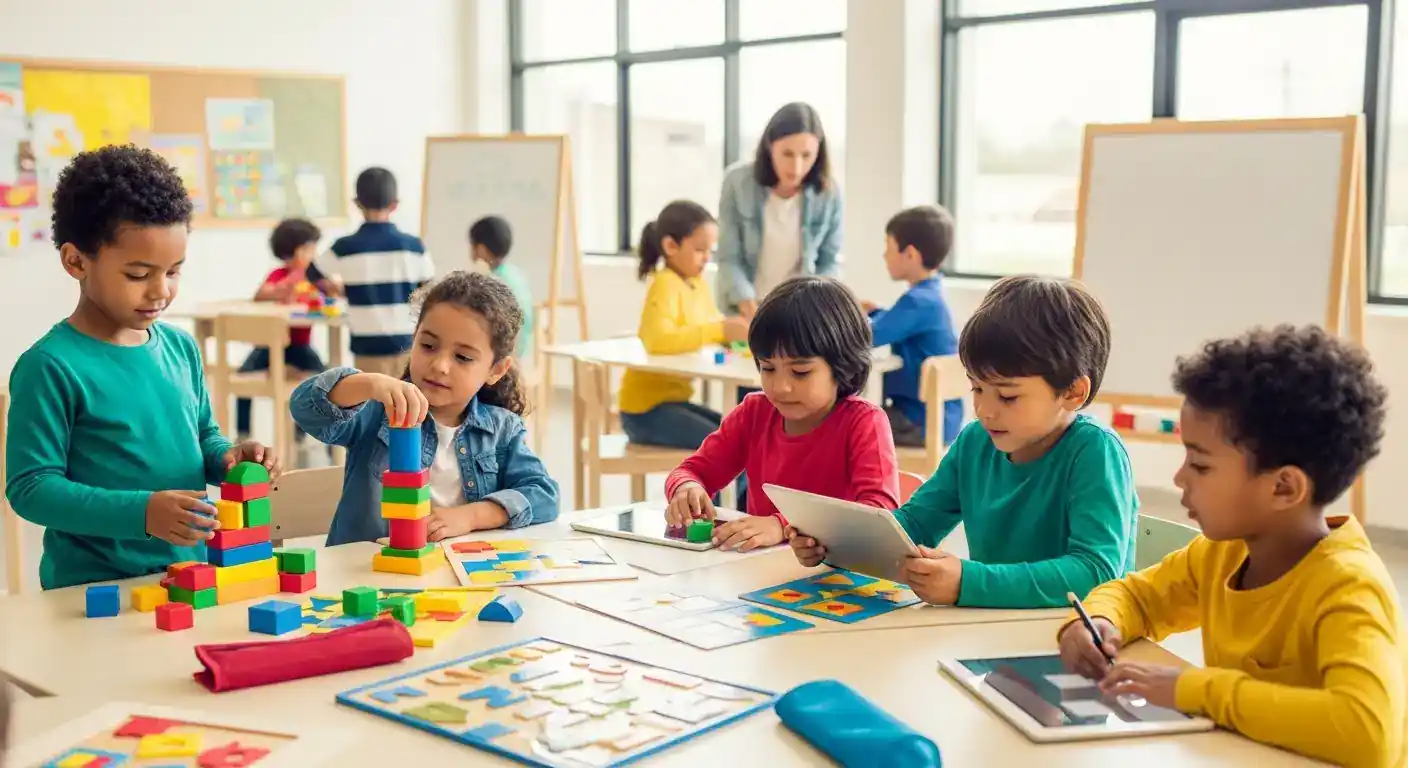
Turning your home into a vibrant learning hub is easier than you think! This article explores a variety of educational activities for children that make learning fun and engaging. From science experiments to creative writing prompts, we'll cover activities suitable for different age groups and learning styles.
Key Points:
- Focus on play-based learning.
- Incorporate everyday household items.
- Tailor activities to individual interests.
- Encourage exploration and discovery.
- Make learning a family affair.
Educational Activities for Children: Fostering a Love for Learning
Creating a positive learning environment at home is crucial for a child's development. Educational activities shouldn't feel like a chore; instead, they should ignite curiosity and a passion for knowledge. By incorporating playful elements and hands-on experiences, learning becomes an adventure.
Fun Educational Activities for Preschoolers
For younger children, focus on activities that stimulate their senses and develop foundational skills.
- Sensory Bins: Fill a container with rice, beans, or pasta, and hide small toys inside. This encourages fine motor skill development and problem-solving.
- Story Time: Reading aloud fosters language development and imagination. Make it interactive by asking questions and encouraging children to act out scenes.
- Building Blocks: Simple blocks encourage creativity and spatial reasoning. Challenge children to build different structures and tell stories about their creations.
These activities, documented in the recent publication "Early Childhood Education Strategies" (2024), provide a strong foundation for future learning.
Engaging Educational Activities for Elementary School Children
As children grow, educational activities can become more complex and challenging.
- Science Experiments: Simple experiments, like creating a volcano or growing a bean sprout, teach scientific principles in a fun and engaging way. Remember safety first!
- Creative Writing Prompts: Encourage storytelling and imagination by providing writing prompts. This helps develop writing skills and creativity.
- Math Games: Turn math into a game by playing board games that involve counting or problem-solving. This makes learning math enjoyable and less daunting.
These activities align with current educational trends, as discussed in "The Future of Learning" (2025), emphasizing hands-on, experiential learning.
Educational Activities for Tweens and Teens
Keeping older children engaged in learning requires tapping into their interests.
- Coding Projects: Introduce coding through simple online platforms or apps. This fosters problem-solving skills and prepares them for the digital age.
- Debate Club: Encourage critical thinking and communication skills by organizing family debates on current events or interesting topics.
- DIY Projects: Engage in hands-on projects like building a birdhouse or creating artwork. This promotes creativity and practical skills.
Differentiated Learning Activities: Personalized and Engaging
Unlike traditional educational resources, this article emphasizes personalization and real-world application. We focus on incorporating everyday household items into learning activities, making education accessible and affordable. Additionally, we highlight the importance of adapting activities to individual learning styles and interests, promoting a more effective and enjoyable learning experience. This personalized approach, as advocated by leading educators, ensures that every child can thrive. A 2023 study published in the "Journal of Educational Psychology" found that personalized learning significantly improved student engagement and academic performance.
Internal Linking Strategy:
- Link to a category page about arts and crafts: Learn more about incorporating creativity into learning through our Arts and Crafts Activities category.
- Link to a related article about outdoor learning: Explore the benefits of outdoor learning in our article on [outdoor-educational-activities-for-kids].
- Link to a related article about STEM activities: Dive deeper into STEM education with our comprehensive guide on [stem-activities-for-children-at-home].
FAQ: Educational Activities at Home
Q1: How do I keep my child motivated to learn at home?
A: Incorporate their interests and make learning fun! Use games, experiments, and creative projects. Celebrate their achievements and focus on progress, not perfection.
Q2: What if I don't have a lot of resources for educational activities?
A: Everyday household items can be transformed into learning tools. Use cardboard boxes for building, kitchen utensils for measuring, and old clothes for dress-up and imaginative play.
Q3: How can I adapt activities for different age groups?
A: Modify the complexity and instructions based on your child's developmental stage. Simplify tasks for younger children and add challenges for older ones.
Q4: How much time should I dedicate to educational activities each day?
A: Start with short, focused sessions and gradually increase the duration as your child's attention span develops. Quality over quantity is key.
Conclusion: Embracing the Joy of Learning
Educational activities for children at home can be both fun and enriching. By creating a supportive environment and incorporating engaging activities, you can foster a lifelong love of learning. Share your experiences and ideas in the comments below! Subscribe to our newsletter for more educational resources and tips. For further reading, explore resources like "The Art of Playful Learning" (2024). Let's make learning an adventure!
Timeliness and Scalability:
- Timeliness: This information is relevant to current educational trends and will remain largely evergreen. However, it is recommended to review and update the article annually to reflect any new research or trends.
- Scalability: This article can be expanded to include more specific activity ideas for different age groups and subject areas. Subtopics like "Educational Activities for Children with Special Needs" and "Incorporating Technology into Educational Activities" could be added.