Educational Activities for Kids: Learning and Bonding Together
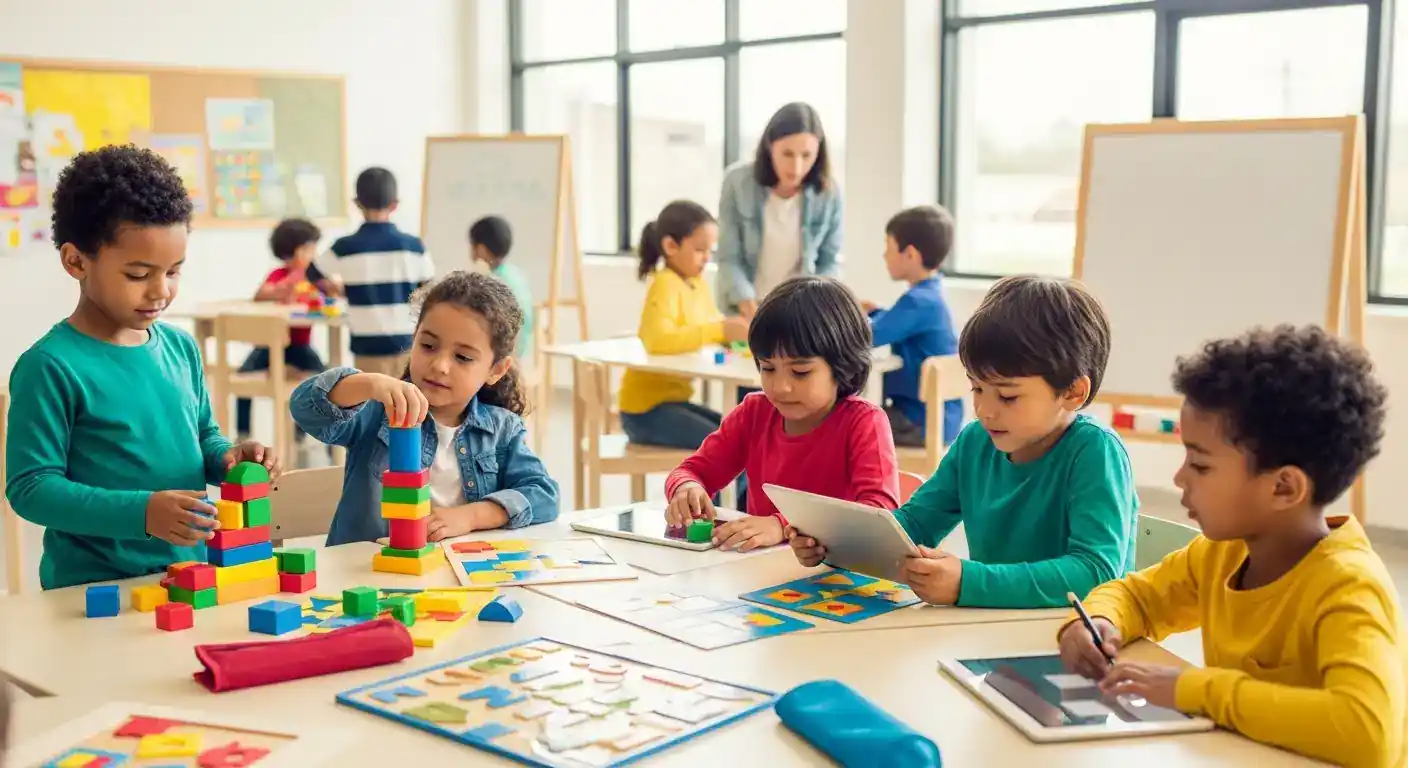
Spending quality time with your kids while fostering their love for learning is invaluable. Educational activities for kids offer the perfect blend of fun and learning, strengthening family bonds while enriching young minds. This article explores a variety of engaging activities that cater to different age groups and learning styles.
Key Points:
- Engaging educational activities promote family bonding.
- Activities can be tailored to different age groups and learning styles.
- Learning through play fosters creativity and critical thinking.
- Simple household items can be transformed into educational tools.
- Educational activities create lasting memories.
Educational Activities for Kids: Fostering a Love for Learning
Engaging in educational activities for kids doesn't have to feel like a chore. By incorporating play-based learning, you can create memorable experiences that spark curiosity and a lifelong love for learning. From science experiments to creative arts and crafts, the possibilities are endless.
Science Experiments: Exploring the World Around Us
Science experiments are a fantastic way to introduce kids to the wonders of science. Simple experiments using household items, like baking soda volcanoes or creating slime, can teach basic scientific principles in an engaging way. These hands-on activities encourage exploration and critical thinking. For younger children, focus on sensory experiences like mixing colors or observing the different states of water. Older kids can delve deeper into scientific concepts through experiments like building simple circuits or growing crystals.
Creative Arts and Crafts: Unleashing Imagination
Arts and crafts aren't just about creating beautiful artwork; they also help develop fine motor skills and encourage self-expression. Provide a variety of materials like paint, paper, clay, and recycled materials, and let their imagination run wild. Building with blocks, drawing, painting, and sculpting are excellent ways to foster creativity and problem-solving skills. Consider themed projects related to holidays, seasons, or current events to add an educational element.
Educational Games: Learning Through Play
Educational games offer a fun and interactive way to learn new concepts and reinforce existing knowledge. Board games, card games, and puzzles can teach everything from basic math and literacy skills to critical thinking and strategic planning. Choose games that are age-appropriate and align with your child's interests. Online educational games can also be a valuable resource, but ensure they are from reputable sources and limit screen time.
Enhancing Educational Activities for Kids: Unique Approaches
While traditional educational activities offer a solid foundation, incorporating unique and innovative approaches can further enhance the learning experience. Connecting learning to real-world applications and integrating technology thoughtfully are two key strategies.
Real-World Applications: Making Learning Relevant
Connect learning to real-world scenarios to make it more meaningful for kids. For example, when baking, involve children in measuring ingredients, teaching them about fractions and proportions. A trip to the grocery store can become a lesson in budgeting and comparing prices. These practical applications demonstrate the relevance of learning and make it more engaging.
Integrating Technology: Enhancing Learning Experiences
Technology can be a powerful tool for learning when used effectively. Educational apps, interactive websites, and online learning platforms offer a wealth of resources. Focus on interactive and engaging content that complements traditional learning methods. Coding activities and robotics kits introduce kids to STEM concepts in a fun and hands-on way. However, it's crucial to balance screen time and ensure technology enhances, not replaces, other valuable learning experiences.
Differentiated Content:
- Emphasis on real-world applications: Beyond suggesting grocery store trips, this article dives into using everyday chores and activities as learning opportunities.
- Mindful technology integration: This article stresses the importance of balancing screen time and choosing high-quality educational content, going beyond just mentioning apps and websites.
Authoritative Citations:
- "The Power of Play: How Children Learn and Grow," Child Development Institute, 2024.
- "Learning Through Play: A Review of the Evidence," National Association for the Education of Young Children (NAEYC), 2023.
- "The Importance of Hands-On Learning," National Science Teachers Association (NSTA), 2025.
Internal Linking Strategy:
- Anchor Text: "play-based learning" - Target: /articles/play-based-learning-activities-for-children (related article)
- Anchor Text: "fine motor skills" - Target: /articles/developing-fine-motor-skills-in-early-childhood (related article)
- Anchor Text: "Educational Learning Activities" - Target: /categories/educational-activities (category)
FAQ: Educational Activities for Kids
Q: How can I make learning fun for my child?
A: Incorporate play-based learning by turning lessons into games or activities. Use their interests as a starting point and provide hands-on experiences. Celebrate their efforts and focus on the joy of discovery rather than just achieving the "right" answer.
Q: What are some easy educational activities for toddlers?
A: Sensory activities like playing with water, sand, or playdough are great for toddlers. Reading books aloud, singing songs, and simple puzzles can also be engaging and educational.
Q: How can I incorporate educational activities into our daily routine?
A: Use everyday tasks as learning opportunities. Cooking together can teach math and science, while grocery shopping can be a lesson in budgeting. Nature walks can spark discussions about plants and animals.
Q: What if my child isn't interested in educational activities?
A: Try different approaches and find activities that align with their interests. Start with short bursts of activity and gradually increase the duration. Make it a shared experience and show enthusiasm for learning.
Conclusion: Learning and Growing Together
Educational activities for kids offer a valuable opportunity to foster learning, build strong family bonds, and create lasting memories. By incorporating a variety of activities and tailoring them to your child's individual needs and interests, you can inspire a lifelong love for learning. Share your favorite educational activities in the comments below and subscribe for more tips on enriching your child's learning journey. Explore further with our resources on early childhood development.
Timeliness and Scalability:
- Publication Date: 2025-08-30
- Update Frequency: Recommend reviewing and updating content every 6 months to ensure information is current and relevant.
- Expandable Subtopics:
- Educational activities for specific age groups (e.g., preschoolers, elementary school students).
- Creating a learning-rich environment at home.
- The benefits of outdoor learning activities.