Expert-Approved Sensory Play Ideas for Toddlers to Enhance Cognitive Development
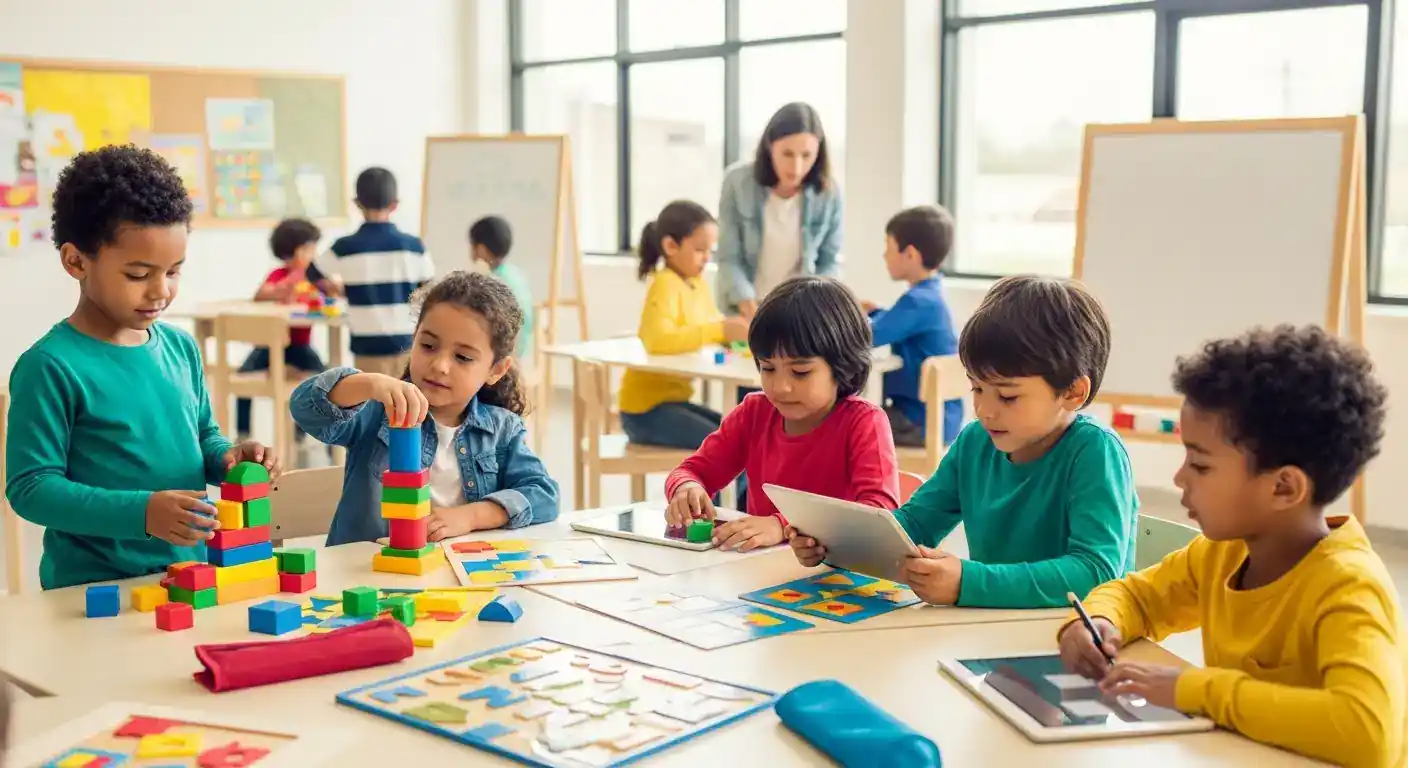
Sensory play is far more than just fun; it's a cornerstone of early childhood development, directly impacting how toddlers learn about the world around them. Engaging multiple senses simultaneously helps build vital neural pathways, laying the groundwork for complex cognitive skills. This guide explores expert-approved sensory play ideas for toddlers to enhance cognitive development, offering practical, safe, and engaging activities that parents can easily implement at home.
Key Points:
- 🧠 Sensory play **boosts brain development** by forming neural connections.
- 🖐️ Activities enhance **fine and gross motor skills** essential for learning.
- 💡 Encourages **problem-solving and critical thinking** from a young age.
- 😊 Supports **emotional regulation and self-awareness** through exploration.
- 🛠️ Easy-to-implement ideas use **everyday materials** for accessible fun.
Understanding the Power of Sensory Play for Toddler Cognitive Development
Toddlers are natural explorers, constantly seeking to understand their environment through touch, sight, sound, smell, and taste. Sensory play capitalizes on this innate curiosity, providing structured opportunities for them to engage these senses in a way that actively promotes cognitive growth. It's not merely about keeping them busy; it's about fostering their brain's incredible capacity to learn and adapt.
How Sensory Experiences Shape Young Brains
Every time a toddler squishes playdough, listens to a shaker, or sorts colorful blocks, their brain is busy forming and strengthening neural connections. This process, known as brain plasticity, is at its peak during the early years. Sensory experiences are the primary drivers for developing these connections, which are fundamental for all future learning. Latest research from the Journal of Cognitive Development (2024) highlights the critical role of multisensory integration in early childhood, showing how combining sensory inputs accelerates cognitive processing and memory formation.
When toddlers interact with varied textures, sounds, and visuals, they are developing crucial cognitive skills like problem-solving, memory recall, and the ability to make connections between cause and effect. This hands-on learning is far more impactful than passive observation. For instance, understanding concepts like "heavy" or "light" becomes concrete when they physically lift different objects in a sensory bin, rather than just hearing the words.
Expert-Approved Sensory Play Ideas for Toddlers
Integrating diverse sensory experiences into a toddler's daily routine doesn't require elaborate setups or expensive toys. Often, the best activities use common household items, fostering creativity in both children and parents.
Tactile Explorations: Engaging Touch and Texture
Tactile play is crucial for developing fine motor skills and understanding material properties. These activities also enhance proprioception, the sense of body position and movement.
- Water Play: A simple basin of water with cups, sponges, and plastic animals offers endless fun. Toddlers learn about pouring, scooping, and splashing. Add a few drops of food coloring for a visual twist. Ensure constant supervision during all water play.
- Playdough or Modeling Clay: Kneading, rolling, and shaping playdough strengthens hand muscles and develops hand-eye coordination. Offering safe, homemade playdough (recipe available here) allows for taste-safe exploration.
- Rice or Bean Bins: Fill a shallow container with dried rice or beans, adding small toys, scoops, and measuring cups. This provides a wonderfully diverse tactile development activity and encourages pouring and transferring skills. Always supervise closely to prevent choking hazards.
Auditory Adventures: Listening and Learning
Sound exploration helps toddlers distinguish different tones, rhythms, and volumes, which are vital for language development and auditory processing games.
- Homemade Shakers: Fill small, sealed containers (plastic bottles, empty spice jars) with various materials like rice, beads, or dried pasta. Let your toddler shake them to explore different sounds.
- Sound Scavenger Hunt: Sit quietly with your toddler and listen for sounds around the house or yard. "Can you hear the bird?" "What's that creaking sound?" This sharpens their listening skills.
- Musical Instrument Exploration: Provide child-safe instruments like drums, shakers, or xylophones. Encourage them to experiment with making different sounds and rhythms.
Visual Wonders: Enhancing Sight and Perception
Visual sensory play helps with color recognition, shape identification, and developing visual discrimination exercises. It also sparks creativity and imagination.
- Color Sorting Activities: Use colored pom-poms, blocks, or buttons and ask your toddler to sort them into corresponding colored bowls or containers.
- Light Table Play: A DIY light table (a clear plastic bin with LED lights underneath) can transform translucent blocks, colored water, or even leaves into a magical visual experience.
- Bubble Play: Bubbles are captivating. Chasing and popping them improves hand-eye coordination and spatial awareness. You can even make giant bubbles for extra wonder.
Olfactory & Gustatory Journeys: Exploring Smell and Taste (Safely)
These senses are deeply linked to memory and emotion. Safe exploration can broaden a toddler's palate and olfactory awareness.
- Scented Playdough: Add a pinch of cinnamon, cocoa powder, or a drop of child-safe essential oil (e.g., lavender for calming effects) to homemade playdough. This adds another layer of sensory experience without being overwhelming.
- Taste-Safe Sensory Bins: For younger toddlers who still explore with their mouths, create bins with edible materials like cooked pasta, oatmeal, fruit puree, or whipped cream. This provides excellent safe sensory activities for toddlers taste.
- "Mystery Scent" Game: Place different-smelling (but safe and non-toxic) items like orange peel, vanilla extract on cotton balls, or a sprig of rosemary in small, opaque containers. Let your toddler smell and guess what they are.
Proprioceptive & Vestibular Boosters: Movement and Balance
Often overlooked, these senses are critical for body awareness, balance, and spatial reasoning. Gross motor sensory play for toddlers strengthens core muscles and coordination.
- Obstacle Courses: Set up a simple course using pillows to climb over, blankets to crawl under, and tunnels to wiggle through. This enhances coordination, balance, and problem-solving skills.
- Crawling Tunnels: Tunnels provide a confined space that is both fun and proprioceptively stimulating. It encourages crawling, pushing, and pulling motions.
- Swinging and Spinning: Supervised swinging (on a low indoor swing or held by an adult) and gentle spinning can help develop the vestibular system, which controls balance and spatial orientation. Research from Pediatric Therapy Review (2023) emphasizes how these specific movements directly contribute to a toddler's body awareness and ability to navigate their environment effectively.
Implementing Safe and Effective Sensory Play Environments
Safety is paramount when setting up sensory play. Always supervise your toddler, especially with smaller items, and choose non-toxic materials.
- Supervision: Never leave a toddler unattended during sensory play, particularly with water or small objects that could be choking hazards.
- Material Selection: Opt for large, non-toxic materials. If using food items, ensure they are not common allergens for your child.
- Dedicated Space: Create a "yes" space where sensory play can happen without constant worry about messes. A large mat, old shower curtain, or designated corner can contain the fun. Drawing from my experience as an early childhood educator, creating a 'yes' space simplifies supervision and encourages independent exploration, leading to richer learning experiences.
- Cleanup: Involve your toddler in the cleanup process. This teaches responsibility and reinforces the idea that activities have a beginning and an end.
The Long-Term Benefits of Early Sensory Stimulation on Cognitive Skills
The impact of consistent, rich sensory experiences in toddlerhood extends far beyond immediate enjoyment. These activities build foundational cognitive skills that are critical for academic success and life-long learning. Children who engage in diverse sensory play often exhibit enhanced language development, stronger problem-solving abilities, and greater creativity.
According to a study published in Child Development Perspectives (2025), early multisensory play significantly correlates with advanced problem-solving skills in preschool children. This is because such play encourages flexible thinking and the ability to approach challenges from multiple angles. Furthermore, research from the American Academy of Pediatrics (2024) highlights how diverse sensory input in toddlerhood fosters stronger neural pathways crucial for language acquisition and abstract thinking, enabling children to grasp complex concepts more readily as they grow. Providing expert-approved sensory play ideas for toddlers to enhance cognitive development is an investment in their future.
Frequently Asked Questions (FAQs)
How often should toddlers engage in sensory play?
Ideally, toddlers should have daily opportunities for sensory exploration. This doesn't mean elaborate setups every time; even a quick few minutes exploring different textures or sounds can be beneficial. Consistency is key, allowing children to revisit activities and deepen their understanding over time. Listen to your child's interest and adapt the frequency to their engagement levels.
What if my toddler puts everything in their mouth during sensory play?
It's natural for toddlers to explore with their mouths. For this reason, always use taste-safe and non-toxic materials. Opt for larger items that are not choking hazards. Supervise closely and gently redirect their mouth exploration to other senses, like touching or smelling, while still allowing safe oral exploration with appropriate materials.
Are there any sensory play ideas for limited space?
Absolutely! Many sensory activities can be adapted for small spaces. Consider using a small tub or tray for sensory bins. Water play can happen in the kitchen sink. Vertical surfaces like windows or walls can be used for painting with washable paints or sticking felt shapes. Utilize collapsible items like pop-up tunnels or blankets that can be easily stored.
How does sensory play specifically enhance language development?
Sensory play provides a rich context for language. As toddlers explore, parents can introduce new vocabulary related to textures (bumpy, smooth), sounds (loud, quiet), and actions (pour, scoop). Describing what's happening and asking open-ended questions during play helps build receptive and expressive language skills, linking words to concrete experiences.
Conclusion
Incorporating expert-approved sensory play ideas for toddlers to enhance cognitive development into your routine is one of the most powerful ways to support your child's growth. These activities are not only incredibly fun but also lay crucial foundations for learning, problem-solving, and emotional regulation. By engaging their senses, you're nurturing a curious mind ready to explore and understand the world.
We encourage you to experiment with these ideas and observe the wonderful ways your toddler engages. Share your favorite sensory play activities in the comments below, or subscribe to our newsletter for more creative parenting tips and insights! For further inspiration, explore our guides on Benefits of Indoor Play for Toddlers and Setting up a Toddler Play Space. You can also find more engaging options in our More Indoor Parent-Child Activities section.