Expert-Approved Strategies for Parents to Build Lasting Confidence in Children
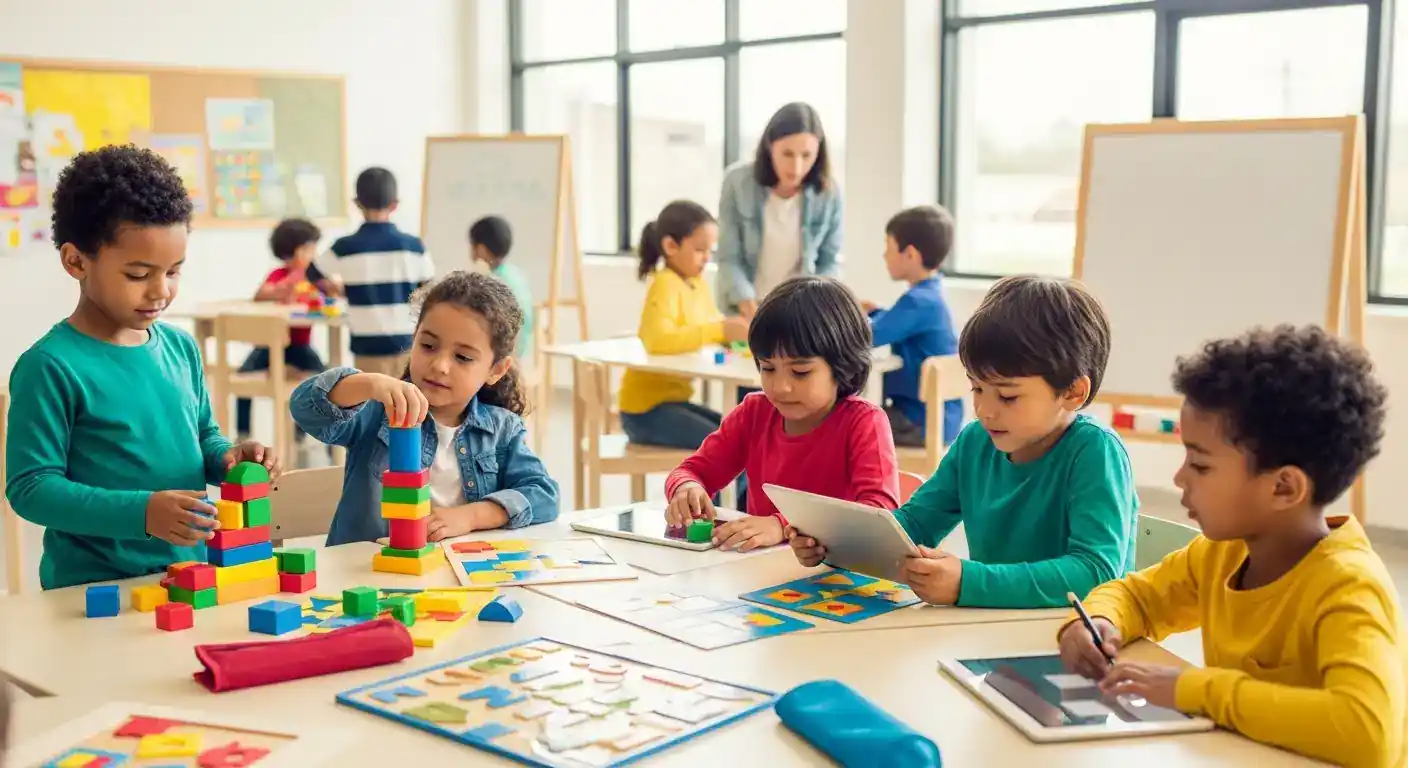
Expert-Approved Strategies for Parents to Build Lasting Confidence in Children
Raising children with strong self-worth is one of the most significant goals for any parent. In a rapidly changing world, equipping kids with lasting confidence helps them navigate challenges, embrace new experiences, and develop healthy relationships. This article delves into expert-approved strategies for parents to build lasting confidence in children, moving beyond superficial praise to foster deep-rooted resilience and self-belief. We'll explore actionable techniques grounded in child development research, offering practical advice you can implement today to empower your little ones.
A child's confidence is not just about feeling good; it's about believing in their ability to achieve, overcome, and contribute. By understanding the core principles of genuine confidence-building, parents can create an environment where children feel secure, capable, and encouraged to explore their potential. This foundation is crucial for their emotional intelligence and overall well-being.
Key Points:
- Praise Effort, Not Just Outcome: Focus on the process, perseverance, and hard work.
- Encourage Independence: Allow children to take age-appropriate risks and solve problems.
- Foster a Growth Mindset: Teach them that abilities can be developed through dedication.
- Embrace Physical Challenges: Connect movement and sports to self-efficacy and resilience.
- Allow for Safe Failures: Frame mistakes as learning opportunities, not shortcomings.
Understanding the Foundation of Childhood Confidence
Building lasting confidence in children starts with understanding its true nature. It's not about arrogance or an inflated ego, but a deep-seated belief in one's capabilities and worth, coupled with the resilience to face setbacks. Experts often highlight that genuine confidence comes from experiencing competence and feeling secure. This involves a delicate balance of parental support and opportunities for independent exploration.
Why Prioritizing Confidence-Building Matters
A child with robust self-confidence is more likely to excel academically, form healthy peer relationships, and develop effective coping mechanisms for stress. They are also more inclined to try new things, even if there's a risk of failure, which is crucial for growth. Conversely, a lack of confidence can lead to anxiety, fear of failure, social withdrawal, and difficulty advocating for themselves. Therefore, actively engaging in expert-approved strategies for parents to build lasting confidence in children is an investment in their future.
Core Strategies for Cultivating Self-Worth
Developing a child's inner strength requires consistent effort and intentional parenting. These strategies move beyond simple affirmations, focusing on actions that genuinely empower children.
1. Praising Effort and Process Over Outcome
One of the most impactful ways to build lasting confidence in children is to shift the focus of praise. Instead of solely commending a child for winning a game or getting a perfect score, emphasize their hard work, persistence, and problem-solving skills. For instance, say, "I noticed how you kept trying different ways to stack those blocks, even when they tumbled. That shows amazing perseverance!" rather than just, "Good job building that tower!" This approach, supported by research from developmental psychology, teaches children the value of effort, making them more resilient when faced with challenges. A 2024 study published in the Journal of Educational Psychology highlighted that effort-based praise significantly increases children's motivation and willingness to tackle difficult tasks.
2. Encouraging Autonomy and Age-Appropriate Risks
Allowing children to make choices and take on responsibilities fosters a sense of competence and control. This could range from letting a toddler choose their outfit to enabling an older child to plan a family outing. When children successfully complete tasks independently, they build self-efficacy. Similarly, encouraging age-appropriate risks, like climbing a slightly higher playground structure or trying out for a new sports team, teaches them to push their boundaries safely. These experiences, even if they result in minor scrapes or initial disappointment, are vital for fostering resilience in kids. When they overcome these small hurdles, they internalize the message: "I can do this."
3. Fostering a Growth Mindset
A growth mindset, a concept popularized by Carol Dweck, posits that abilities and intelligence can be developed through dedication and hard work. Teaching children this perspective is central to building emotional intelligence in school-aged children and fostering confidence. Instead of saying, "You're so smart at math," try, "You really stuck with that math problem and figured it out – your brain is growing!" Frame mistakes as learning opportunities. When they struggle, remind them that "not yet" is an option, implying improvement is possible with effort. This approach prevents children from believing their abilities are fixed, which can lead to a fear of failure.
Differentiated Strategies: Beyond the Basics
While foundational strategies are crucial, integrating unique approaches can further solidify a child's self-belief.
4. Leveraging Physical Activities and Sports for Self-Efficacy
As experts in physical activities and sports, we understand the profound impact movement has on a child's development, including confidence. Engaging in physical challenges provides immediate feedback, teaching children about their capabilities and the rewards of practice. Whether it's learning to ride a bike, mastering a new swimming stroke, or collaborating in a team sport, these experiences provide concrete evidence of progress and achievement. For example, a child who initially struggles with soccer but then scores a goal after consistent practice directly experiences the power of effort and perseverance. This isn't just about winning; it's about the feeling of mastering a skill and being a valued part of a group. Physical activity inherently demands problem-solving, adaptability, and resilience, all of which are pillars of strong self-esteem. Consider exploring /categories/physical-activities for more ideas on beneficial physical pursuits.
5. Embracing "Productive Failure" as a Confidence Builder
Many parents instinctively want to protect their children from failure. However, expert-approved strategies for parents to build lasting confidence in children often advocate for allowing children to experience safe, "productive failures." This means creating opportunities where a child can attempt a task, encounter obstacles, learn from their mistakes, and then try again with new insights. For instance, if a child struggles to build a complex LEGO model, instead of stepping in to fix it, encourage them to identify what went wrong and brainstorm solutions. This process of self-correction, rather than simply being handed the answer, builds critical thinking and resilience. A 2023 review in Child Development Perspectives highlighted that children who are given opportunities to grapple with challenging tasks and learn from their errors show greater persistence and self-efficacy in the long run. This directly impacts their how to develop strong self-worth in toddlers and older children.
Practical Implementation Tips
Creating a Supportive Environment
- Active Listening: Truly hear your child's thoughts and feelings without judgment. This validates their experiences and makes them feel valued.
- Consistent Security: Provide a stable and loving home environment where children feel safe to be themselves and express their emotions.
- Positive Reinforcement: Beyond praise, acknowledge their positive behaviors and efforts with specific, descriptive feedback.
Addressing Setbacks and Challenges
- Problem-Solving Together: Instead of solving problems for them, guide them through the process of finding solutions. Ask questions like, "What do you think happened?" or "What could we try next?"
- Normalizing Mistakes: Share your own experiences with mistakes and how you learned from them. This helps children understand that errors are a normal part of learning.
- Focus on Recovery: Teach them that it's okay to feel upset after a setback, but the important part is to learn, adapt, and keep moving forward. This is key for parenting for confidence.
Frequently Asked Questions (FAQ)
Q: How can I tell if my child lacks confidence?
A: Signs of low confidence often include hesitancy to try new things, excessive self-criticism, difficulty making decisions, avoiding social situations, or being overly concerned with others' opinions. They might say "I can't" frequently or give up easily on challenging tasks. Observing these patterns can indicate a need to focus on confidence-building strategies.
Q: Is it possible to over-praise my child?
A: Yes, it is possible to over-praise, especially if the praise is generic ("You're the best!") or focused solely on outcomes rather than effort. This can lead to children becoming reliant on external validation or fearing failure. Instead, offer specific, descriptive praise that focuses on their effort, perseverance, and positive actions, encouraging intrinsic motivation.
Q: What role do sports play in building a child's confidence?
A: Sports offer unique opportunities to build confidence by providing clear goals, immediate feedback, and a platform for skill mastery. Children learn teamwork, resilience in the face of defeat, and the satisfaction of physical achievement. Overcoming challenges in a sporting context directly contributes to a child's belief in their physical and mental capabilities, boosting overall self-worth. For more insights, consider reading /articles/nurturing-a-growth-mindset-in-young-athletes.
Q: How does allowing failure help build confidence?
A: Allowing children to experience safe, age-appropriate failures teaches them valuable lessons about resilience, problem-solving, and adaptability. When they learn to pick themselves up, analyze what went wrong, and try again, they develop a profound sense of self-efficacy and understand that mistakes are part of the learning process. This fosters a growth mindset, which is crucial for lasting confidence.
Conclusion: Building a Foundation for Life
Expert-approved strategies for parents to build lasting confidence in children are not about creating perfect children, but rather about nurturing resilient, self-assured individuals prepared for life's complexities. By prioritizing effort over outcome, encouraging independence, embracing a growth mindset, and leveraging the power of physical activity, you are equipping your child with invaluable tools for success and well-being.
Begin implementing these strategies today and observe the positive transformation in your child's self-perception and capabilities. We encourage you to share your experiences and tips in the comments below – your insights can help other parents on this rewarding journey!
Extended Reading and Resources:
- Understanding the importance of play:
/articles/the-importance-of-play-in-early-childhood-development - Further insights on child development: Explore reputable resources from organizations like the American Psychological Association (APA) or the National Association for the Education of Young Children (NAEYC).
- Future Topic: Age-Specific Confidence Building: Look out for future articles discussing tailored approaches for different developmental stages, from toddlers to teenagers.
- Future Topic: Addressing Specific Confidence Challenges: We'll delve into strategies for shy children, those with anxiety, or perfectionist tendencies.