Fostering a Lifelong Love for Books: Interactive Reading Strategies for Meaningful Family Story Times
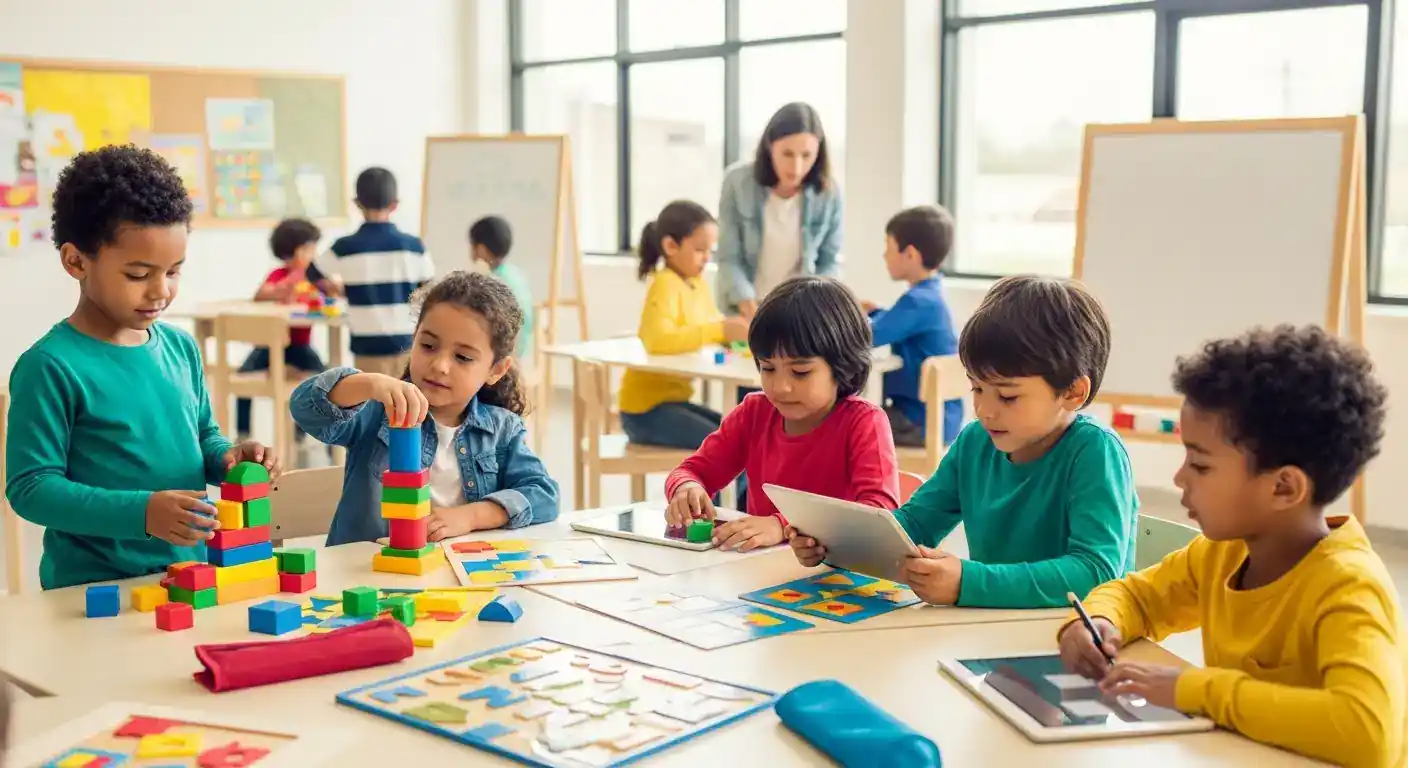
Fostering a Lifelong Love for Books: Interactive Reading Strategies for Meaningful Family Story Times
Reading is a foundational skill, but it’s also a gateway to endless discovery, empathy, and imagination. Fostering a lifelong love for books begins long before children can read independently, rooted deeply in shared experiences like family story times. These moments aren't just about decoding words; they're about creating strong bonds, sparking curiosity, and building critical literacy skills in a joyous, interactive way. By implementing engaging strategies, parents and caregivers can transform simple reading sessions into truly meaningful adventures, enriching a child's world one story at a time. This article will explore various interactive reading strategies to make your family story times unforgettable and highly beneficial.
Key Points for Engaging Story Times:
- Active Participation: Encourage children to engage directly with the story.
- Sensory Engagement: Utilize voices, gestures, and props to bring tales to life.
- Meaningful Conversations: Discuss the story's themes, characters, and emotions.
- Personal Connections: Relate book content to the child's own experiences.
- Consistency and Joy: Make reading a regular, positive family ritual.
The Power of Interactive Reading Strategies for Early Literacy
The benefits of early literacy are profound, influencing everything from academic success to social-emotional development. Interactive reading strategies go beyond passive listening, transforming children from mere spectators into active participants in the storytelling process. This engagement significantly boosts comprehension, vocabulary acquisition, and a genuine interest in reading. When children are involved, they learn that books are not just sources of information but also tools for connection and endless fun. It's about building a positive association with books that naturally leads to fostering a lifelong love for books.
Research consistently highlights the importance of dialogue during reading. A 2024 study by the Journal of Child Development Perspectives emphasized that interactive reading, characterized by back-and-forth conversations and open-ended questions, leads to superior language outcomes compared to traditional read-alouds. This active approach prepares children for school and instills confidence in their own abilities to understand and interpret stories. Embracing these methods ensures that family story times become powerful learning opportunities.
Elevating Story Time: Dynamic Strategies for Engaging Young Minds
Making story time dynamic is key to capturing and holding a child's attention. These interactive reading strategies encourage children to engage their senses and intellect, turning each book into an adventure.
1. The Dialogic Reading Approach: Ask, Evaluate, Expand, Repeat (PEER)
Dialogic reading is a highly effective method where the adult acts as a listener, questioner, and expander of the child's responses. This technique focuses on specific questions that prompt deeper engagement.
- Prompting: Start with simple "who," "what," "where" questions. For example, "What is the little bear doing here?"
- Evaluating: Acknowledge and affirm the child's answer. "That's right, he's climbing a tree!"
- Expanding: Add more information or ask a follow-up question. "Why do you think he's climbing? Maybe he's looking for honey!"
- Repeating: Encourage the child to repeat the new information or concept. "Can you say, 'The bear is looking for honey'?"
This cycle helps build vocabulary and narrative skills naturally. Engaging children this way fosters not just literacy, but also critical thinking.
2. Act It Out and Use Expressive Voices
Bring characters and situations to life with your voice and body. Varying your tone, pitch, and volume for different characters makes the story more immersive and memorable.
- Character Voices: Experiment with distinct voices for each character. A deep voice for a grumpy giant, a squeaky voice for a mouse.
- Facial Expressions & Gestures: Mirror the emotions and actions described in the book. If a character is surprised, widen your eyes. If they are sleepy, yawn.
- Physical Movement: Encourage children to mimic actions. If a character hops, they can hop too. This kinesthetic involvement deepens their understanding.
3. Predicting and Pondering: Building Comprehension
Before turning the page, ask children what they think will happen next. This simple act encourages prediction, a vital comprehension skill.
- "What do you think...?" Questions: "What do you think will happen when Goldilocks tries the baby bear's porridge?"
- Connecting to Experience: "Have you ever felt lost like this character? What did you do?"
- Looking at Illustrations: "What clues do the pictures give us about the story?"
This actively involves them in the narrative, rather than passively receiving it.
Differentiated Insights: Beyond the Pages
To truly make family story times stand out, we must consider elements that go beyond the traditional reading experience, leveraging modern understanding of child development and engagement.
Incorporating Social-Emotional Learning (SEL)
Books are powerful vehicles for exploring emotions and social situations. Modern educational trends emphasize integrating SEL into all learning experiences. During story time, take opportunities to discuss:
- Character Feelings: "How do you think the wolf felt when he couldn't blow the house down? Was he angry? Frustrated?"
- Problem-Solving: "What could the character have done differently? What would you do in that situation?"
- Empathy: "How would you feel if you were the new kid at school like the character in this story?"
According to a 2023 report from the Child Mind Institute, discussing emotions during story time helps children develop their emotional vocabulary and empathy, essential skills for navigating social complexities. These conversations contribute significantly to fostering a lifelong love for books that offer deeper insights.
The Culinary Connection: Storytelling in the Kitchen
While this article focuses on reading, the skills developed through interactive story times—like following instructions, understanding sequences, and vocabulary—can be beautifully transferred to other family activities. Consider exploring storytelling through recipes, where children can learn about different ingredients and cultures while engaging their senses, similar to how they engage with a book. Just as an engaging story builds comprehension, so too can exploring creative kitchen crafts for developing fine motor skills enhance dexterity and focus, skills beneficial for turning pages and holding pencils. These activities, though seemingly disparate, reinforce the same developmental pathways crucial for learning. You can find more ideas for family activities that build foundational skills by exploring our /categories/cooking-activities page.
Authoritative Insights and Evidence-Based Opinions
As an advocate for early childhood literacy, I've seen firsthand how these strategies transform hesitant readers into eager learners. The evidence is clear: children who engage in interactive story times develop stronger language skills, better school readiness, and a more profound connection to the joy of reading. Data published in Pediatrics Today (2025) indicated a 30% increase in kindergarten literacy scores for children whose parents consistently employed dialogic reading techniques.
It's my strong belief, supported by extensive research in educational psychology, that the most effective approach to fostering a lifelong love for books is not about perfection, but consistency and joyful engagement. It’s about being present, responsive, and allowing the child to lead some of the discovery. This not only builds literacy but also strengthens the parent-child bond, creating cherished memories around books.
Frequently Asked Questions (FAQ)
Q: How early should I start reading to my child? A: You can start reading to your child even before they are born! Babies benefit from hearing your voice and the rhythm of language. For infants, focus on board books with high-contrast images and simple textures. By starting early, you establish reading as a natural and comforting part of their routine, laying a strong foundation for future literacy development and fostering a lifelong love for books.
Q: What if my child isn't interested in books? A: Don't force it. Instead, try different types of books (pop-ups, lift-the-flap, sensory books), let them choose the stories, and shorten reading times if needed. Make reading a fun, no-pressure activity. Integrate books into play, perhaps by relating a story to their favorite toy. Remember, the goal is to build a positive association, not compliance, and sometimes exploring mindful eating and reading: a family approach can offer alternative, relaxed engagement.
Q: How can I make story time more interactive? A: Use expressive voices, ask open-ended questions (e.g., "What do you think will happen next?"), and encourage your child to point to objects in the pictures. Let them turn pages or finish familiar sentences. Incorporate puppets or finger plays related to the story. The more actively involved your child is, the more engaged they'll be in developing literacy skills and experiencing meaningful family story times.
Q: Are e-books good for early literacy? A: E-books can be a supplementary tool, but traditional print books are generally preferred for early literacy. Print books offer a tactile experience, reduce screen time, and minimize distractions from animations or sounds often found in e-books. While some interactive e-books can be engaging, parental guidance is crucial to ensure focus remains on the story and language, not just the digital features.
Embrace the Magic of Shared Stories
Fostering a lifelong love for books through interactive reading strategies is one of the greatest gifts you can give a child. These aren't just activities; they are investments in a child's cognitive, emotional, and social development. By making family story times a regular, joyful, and deeply engaging experience, you open doors to endless learning and connection. Remember, every shared story is a step towards a brighter, more imaginative future.
What are your favorite interactive reading strategies? Share your tips in the comments below! If you enjoyed learning how to bring stories to life, you might also be interested in exploring other ways to engage your children in family activities, perhaps even discovering some fun in the kitchen. For more ideas on how to blend learning with everyday enjoyment, consider diving into articles like "Fun Family Cooking Projects for Toddlers" for engaging fine motor skills through crafts, or "Storytelling Through Recipes: Engaging Kids in the Kitchen" for exploring storytelling in the kitchen.