Fun Family Bonding Activities: Interactive Play for Kids & Parents
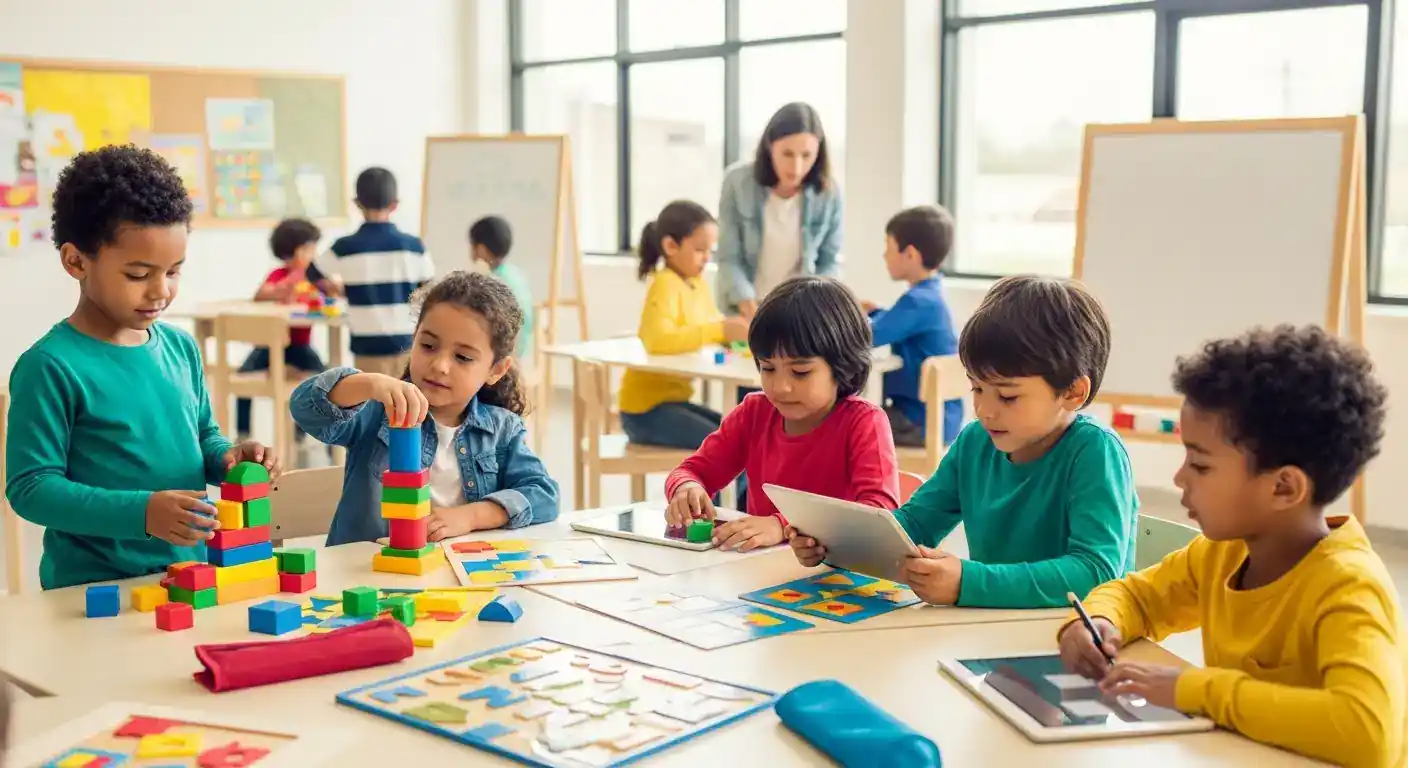
Fun Family Bonding Activities: Interactive Play for Kids & Parents
In today's fast-paced world, finding dedicated time for fun family bonding activities is more crucial than ever. These shared moments, especially through interactive play for kids & parents, are the bedrock of strong family relationships, fostering communication, empathy, and lasting memories. This article delves into various engaging ideas and strategies to help families connect deeply, transforming ordinary days into extraordinary experiences. We'll explore how simple, intentional play can significantly enhance family connection and contribute positively to child development.
Key Points for Enhanced Family Bonding:
- Strengthen Bonds: Regular interactive play builds trust and understanding.
- Boost Development: Play supports cognitive, emotional, and social growth in children.
- Create Lasting Memories: Shared experiences form the foundation of cherished family stories.
- Reduce Screen Time: Engaging activities offer a healthy alternative to digital entertainment.
- Improve Communication: Play provides a natural, low-pressure environment for dialogue.
The Power of Interactive Play for Family Connection
Interactive play is not just about having fun; it's a powerful tool for nurturing the parent-child relationship and building a resilient family unit. When parents actively participate in play, they send a clear message of love and value, which is vital for a child's self-esteem. These moments of quality time allow families to truly see and understand each other, creating a safe space for expression and shared joy.
A 2024 study published in the Journal of Child Psychology and Psychiatry highlighted that consistent interactive play significantly correlates with higher emotional intelligence and better problem-solving skills in children aged 3-10. This research underscores the profound impact of play beyond mere entertainment, positioning it as a critical component of healthy development. Engaging in fun family bonding activities helps children learn to navigate social cues, negotiate, and understand different perspectives, all while having a great time.
Beyond the Screen: Reclaiming Family Time
One of the biggest challenges modern families face is the pervasive presence of screens. While digital tools have their place, excessive screen time can detract from meaningful family connection. Reclaiming family time means intentionally carving out opportunities for shared experiences that don't involve a glowing rectangle. This shift allows families to engage with each other directly, fostering deeper bonds and more authentic interactions.
According to a 2023 report from the Pew Research Center on digital parenting trends, families who actively schedule screen-free activities report higher levels of family satisfaction and reduced conflict. This suggests that prioritizing interactive play for kids & parents can be a strategic move towards a happier, more connected household. For more ideas on managing screen time effectively, readers can explore related articles on digital wellness and mindful technology use.
Creative & Easy Family Bonding Activities at Home
You don't need elaborate plans or expensive outings to enjoy fun family bonding activities. Many of the most memorable moments happen right at home, transforming everyday spaces into hubs of creativity and laughter. These indoor family games and activities are perfect for any day, rain or shine, offering endless possibilities for connection.
DIY Craft & Project Ideas
Engaging in creative projects together is a fantastic way to foster creative family time and teamwork.
- Fort Building Extravaganza: Gather blankets, pillows, and chairs to construct an epic indoor fort. Once built, enjoy a picnic or read stories inside. This activity encourages problem-solving and imaginative play.
- Collaborative Art Mural: Lay out a large sheet of paper or an old bedsheet and use paints, markers, or crayons to create a family masterpiece. Each person contributes to a shared vision, celebrating individual creativity within a collective effort.
- Baking & Cooking Adventures: From simple cookies to a family dinner, cooking together teaches valuable life skills and creates delicious memories. Assign age-appropriate tasks, from stirring to decorating.
Storytelling & Imaginative Play
Unleash your family's imagination through storytelling and role-playing.
- "Once Upon a Time" Game: Start a story with a simple phrase, then each family member adds a sentence or two, building a unique narrative together. This enhances verbal skills and creative thinking.
- Puppet Show Production: Create simple puppets from socks or paper bags. Develop characters and a plot, then put on a show for each other. This is an excellent way to explore emotions and social scenarios.
- Dress-Up & Role-Playing: Use old clothes and props to transform into different characters or professions. Encourage children to lead the play, allowing them to explore various roles and situations.
Board Games & Puzzles for All Ages
Classic indoor parent-child activities like board games and puzzles are timeless for a reason. They promote strategic thinking, patience, and friendly competition.
- Family Game Night: Designate one night a week for board games. Choose games that suit all ages, or rotate choices to ensure everyone gets a turn with their favorite. Classics like Uno, Jenga, or Ticket to Ride are excellent choices.
- Jigsaw Puzzles: Working on a large jigsaw puzzle together can be a calming and collaborative activity. It encourages teamwork and persistence as you slowly piece together the image.
- Charades or Pictionary: These games are fantastic for laughter and non-verbal communication, requiring quick thinking and expressive actions. They are perfect for livening up any family gathering.
Maximizing Engagement: Tips for Successful Family Play
To truly benefit from fun family bonding activities, it's essential to approach them with intention and flexibility. The goal is not perfection, but genuine connection and shared enjoyment.
Creating a Dedicated Play Space
While play can happen anywhere, having a designated area can signal that it's time for connection. This doesn't need to be a separate room; it could be a cozy corner with cushions and books, or a cleared space in the living room. A dedicated play zone helps minimize distractions and encourages children to initiate interactive play for kids & parents. Ensuring the space is tidy and inviting can make a big difference in how often it's utilized for family activities.
Incorporating Learning into Play
Many indoor parent-child activities naturally integrate learning without feeling like schoolwork. For instance, building with blocks can teach physics and spatial reasoning, while cooking involves math and chemistry. Storytelling enhances language skills, and board games develop strategic thinking. By highlighting these subtle learning opportunities, parents can reinforce the value of play as a holistic developmental tool. This approach aligns with modern educational philosophies that emphasize play-based learning, making education an enjoyable part of family connection.
FAQ Section
Q: What are the primary benefits of interactive play for families? A: Interactive play offers numerous benefits, including strengthening emotional bonds, improving communication skills, and fostering a sense of belonging. It also significantly contributes to a child's cognitive, social, and emotional development by teaching problem-solving, empathy, and cooperation. These shared positive experiences create lasting memories and build a strong foundation for a resilient family unit.
Q: How can we make family bonding activities more engaging for teenagers? A: Engaging teenagers requires activities that respect their growing independence and interests. Consider involving them in the planning process, letting them choose activities like escape rooms (at home or out), collaborative video games, or more complex board games. Encourage them to teach younger siblings a skill or lead a project. Activities that involve creativity, strategy, or a bit of friendly competition often resonate well with teens.
Q: What if my kids prefer screen time over family activities? A: It's common for children to gravitate towards screens. The key is to introduce appealing alternatives and establish a balanced routine. Start by setting clear boundaries for screen time and then offer exciting, hands-on