Fun Toddler Activities for Bonding: Play & Learn Together
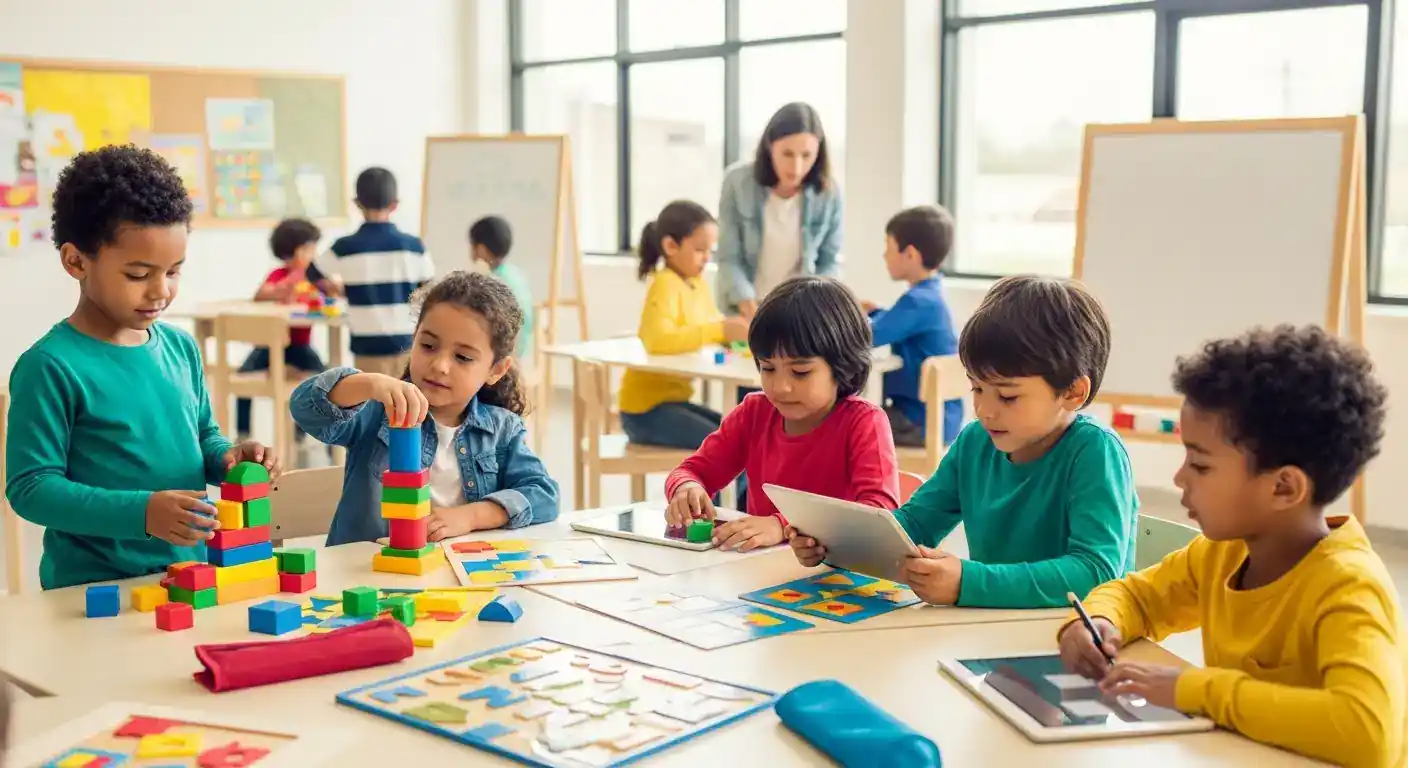
Fun Toddler Activities for Bonding: Play & Learn Together
Parenting a toddler is a whirlwind of discovery, growth, and boundless energy. Amidst the daily routines, finding meaningful ways to connect with your little one is paramount for their development and your relationship. Engaging in fun toddler activities for bonding not only provides entertainment but also lays crucial foundations for cognitive, emotional, and social skills. These shared moments of play and learning are invaluable, strengthening your connection and creating cherished memories that last a lifetime. This guide explores a variety of engaging indoor activities designed to foster deep bonds while supporting your toddler's incredible journey of growth.
Key Points:
- Strengthen Bonds: Shared activities build emotional connections.
- Boost Development: Play supports cognitive, motor, and social skills.
- Create Memories: Invaluable moments of joy and learning.
- Simple & Engaging: Easy-to-implement ideas for everyday fun.
- Parent-Child Connection: Prioritize quality time and interaction.
The Power of Play: Why Fun Toddler Activities for Bonding Matter
Play is the primary language of childhood, and for toddlers, it's how they make sense of the world around them. When parents actively participate in fun toddler activities for bonding, they're doing more than just entertaining; they're teaching, nurturing, and communicating love. These interactions are critical for developing secure attachments, enhancing communication skills, and fostering a sense of security and belonging. Research consistently shows that responsive, engaged play significantly contributes to a child's emotional regulation and problem-solving abilities.
Engaging in play together also offers a unique window into your toddler's personality, interests, and emerging abilities. It's a chance to observe their curiosity, celebrate their small victories, and gently guide them through new challenges. These shared experiences become the bedrock of a strong parent-child relationship, building trust and mutual understanding.
Simple Sensory Play Ideas for Toddlers
Sensory play is a cornerstone of early childhood development, stimulating multiple senses and encouraging exploration. These activities are fantastic for fun toddler activities for bonding because they are often open-ended, allowing for shared discovery and interaction.
- Rainbow Rice Bin: Dye rice with food coloring and let your toddler scoop, pour, and hide small toys. This activity enhances fine motor skills and introduces color recognition. Ensure close supervision to prevent ingestion.
- Water Table Wonders: Fill a shallow bin with water, add cups, sponges, and plastic animals. Water play is incredibly calming and offers endless opportunities for pouring, splashing, and imaginative scenarios. A 2023 study by the Child Development Research Group highlighted water play's significant impact on early mathematical concepts like volume.
- Playdough Creations: Homemade or store-bought playdough provides a tactile experience that strengthens hand muscles and fosters creativity. Roll, squish, cut, and pretend to bake together. This is excellent for developing dexterity and imaginative thinking.
- Mystery Bag Touch-and-Guess: Place various textured objects (a soft cloth, a bumpy toy, a smooth stone) into a bag. Have your toddler reach in and describe what they feel without looking. This sharpens tactile discrimination and language skills.
Boosting Cognitive Skills Through Playful Learning
Learning doesn't have to be formal; many fun toddler activities for bonding naturally incorporate cognitive development. These activities encourage problem-solving, memory, and early literacy skills.
- Shape Sorter Extravaganza: Classic shape sorters teach shape recognition and spatial reasoning. Make it a bonding activity by describing the shapes and colors together, celebrating each successful placement.
- Block Building Challenges: Provide a variety of blocks (wooden, soft, magnetic) and build towers, houses, or bridges. Encourage your toddler to follow simple instructions ("Let's build a tall tower!") or create their own structures. This activity develops gross motor skills and an understanding of balance.
- Picture Book Adventures: Reading together is one of the most powerful bonding activities. Point to objects, ask questions ("Where's the dog?"), and make animal sounds. This fosters language development, expands vocabulary, and instills a love for reading. For more tips on engaging your child with books, readers can explore related articles on early literacy.
- Simple Puzzles: Start with chunky knob puzzles or 2-4 piece puzzles. Puzzles are excellent for problem-solving, hand-eye coordination, and spatial awareness. Celebrate each piece that fits, reinforcing their efforts.
Enhancing Emotional Connection with Creative Expression
Creative activities are not only enjoyable but also provide an outlet for emotional expression and strengthen the parent-child bond. These fun toddler activities for bonding tap into imagination and self-expression.
- Finger Painting Fun: Lay down a large sheet or newspaper and let your toddler explore colors with their fingers. This messy play is incredibly liberating and stimulates creativity and sensory input. Use non-toxic, washable paints.
- Music and Movement Party: Put on some upbeat music and dance together! Sing songs, clap hands, and encourage free movement. This is fantastic for gross motor skills, rhythm, and emotional release. A 2024 report from the Global Arts & Health Alliance emphasized the role of music in early childhood emotional development.
- Storytelling with Puppets: Use simple hand puppets or even socks to create characters and tell impromptu stories. This sparks imagination, enhances language skills, and provides a safe space for exploring different emotions and scenarios.
- Nature's Art Collection: Go for a short walk and collect leaves, twigs, and small stones. Bring them home and create a collage or a "nature tray" together. This connects them with the natural world and encourages observation.
Differentiated Value: Responsive Play and Parental Well-being
Beyond simply providing activities, the quality of interaction during play is what truly differentiates bonding experiences. Responsive play, where parents actively observe, listen, and respond to their toddler's cues and interests, is crucial. Instead of directing every action, follow their lead, narrate their play, and offer support when needed. This approach, highlighted in a 2025 review by the Institute for Child Psychology, fosters greater autonomy and deeper engagement, making activities truly theirs.
Furthermore, recognizing the importance of parental well-being is key. It's easy to feel overwhelmed by the constant demands of toddlerhood. Prioritizing your own mental and physical health allows you to be more present and patient during these bonding moments. Even short bursts of engaged, joyful play are more beneficial than longer, distracted sessions. Remember, a well-rested and happy parent makes for a more positive play environment. For insights on managing parental stress, readers might find value in resources on mindful parenting.
Creating Lasting Memories with Toddler Bonding Activities
The goal of these fun toddler activities for bonding isn't just to fill time, but to create a rich tapestry of shared experiences that contribute to your child's overall well-being and your family's happiness. Every giggle, every shared discovery, and every moment of focused attention builds a stronger, more resilient bond. Embrace the mess, celebrate the small wins, and most importantly, enjoy the precious journey of playing and learning together.
FAQ Section
Q1: How often should I engage in structured bonding activities with my toddler? A: There's no strict rule, but aiming for a few dedicated 15-30 minute sessions daily can be highly beneficial. The key is quality over quantity. Even simple, spontaneous moments of engaged play, like singing a song during diaper changes or making silly faces, contribute significantly to bonding. Focus on being present and responsive during these times.
Q2: What if my toddler loses interest quickly in an activity? A: Toddlers have short attention spans, which is completely normal. Don't force an activity if they're not engaged. Instead, offer choices, adapt the activity, or simply move on to something else. The goal is to follow their lead and make play enjoyable, not to complete a task. Sometimes, just observing them play independently while you're nearby can also be a bonding experience.
Q3: Are there any low-cost or free bonding activities for toddlers? A: Absolutely! Many of the best bonding activities require minimal or no special equipment. Think about nature walks, singing songs, dancing to music, reading library books, playing with household items (like pots and pans for a drum set), or simply having a conversation. Imagination and interaction are the most valuable tools you have.
Q4: How do these activities support my toddler's overall development? A: These activities are designed to be holistic. Sensory play boosts cognitive and fine motor skills. Creative expression aids emotional regulation and imagination. Reading and storytelling enhance language and literacy. Most importantly, the shared interaction during these activities fosters social skills, builds confidence, and strengthens the secure attachment between parent and child, which is fundamental to all areas of development.
Conclusion: Nurturing Bonds Through Play
Embracing fun toddler activities for bonding is one of the most rewarding aspects of parenting. These moments of shared joy, discovery, and learning are not just fleeting experiences; they are investments in your child's development and the enduring strength of your family bond. From simple sensory bins to imaginative storytelling, every interaction offers a chance to connect, teach, and create beautiful memories.
We encourage you to try some of these ideas, adapt them to your toddler's unique interests, and most importantly, enjoy the journey of playing and learning together. Share your favorite toddler activities in the comments below, or subscribe to our newsletter for more inspiring ideas and parenting tips. For further reading on child development milestones, explore our extensive library of articles.
Future Subtopics for Expansion:
- Outdoor Toddler Adventures for Bonding
- Incorporating Chores into Playful Toddler Learning
- Managing Sibling Dynamics During Toddler Playtime