How to Cultivate a Positive Home Environment for Enhanced Child Development and Bonding
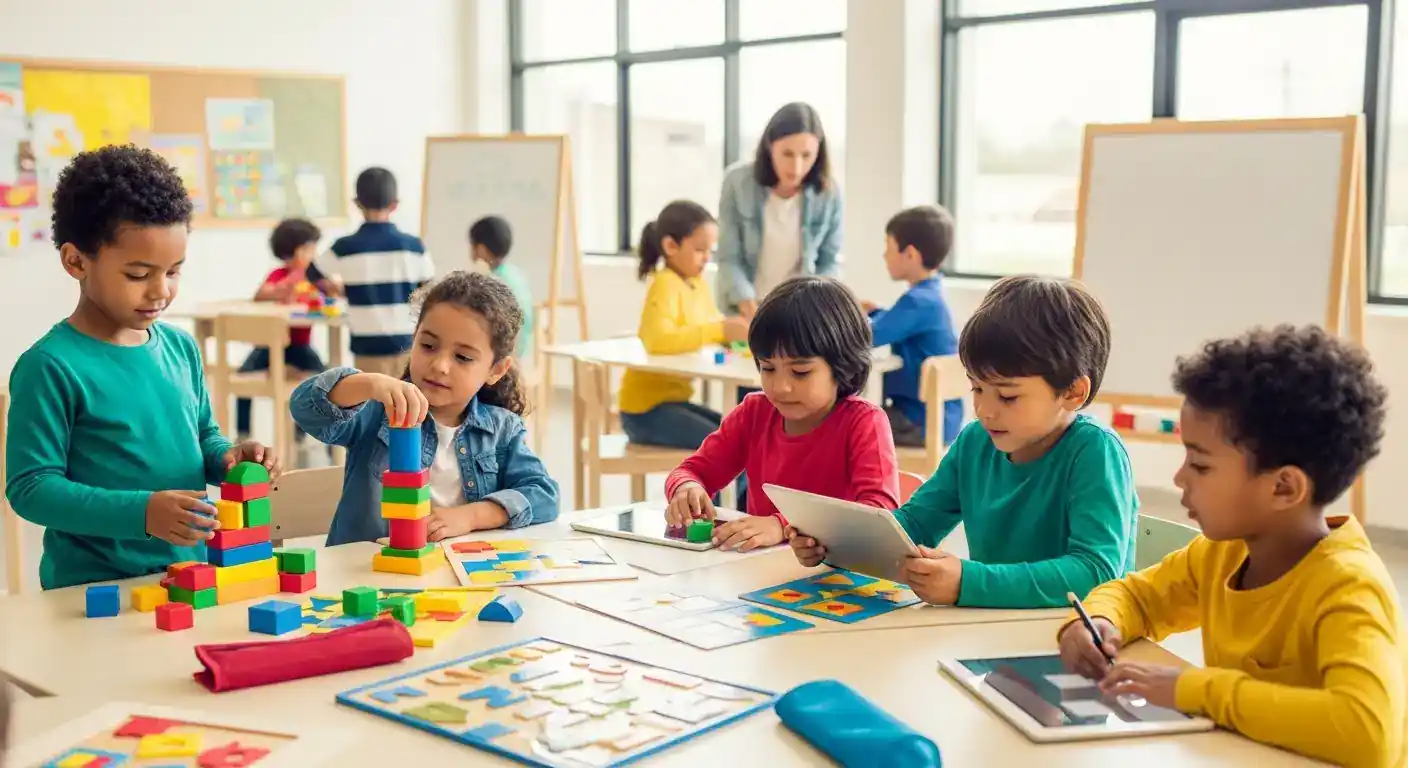
A positive home environment is more than just a pleasant place to live; it's a foundational cornerstone for a child's holistic growth and the bedrock of strong family relationships. In today's fast-paced world, intentionally nurturing such an atmosphere is crucial for fostering resilience, emotional intelligence, and lasting bonds. This comprehensive guide will explore actionable strategies for parents and caregivers to create a home where every child feels secure, valued, and empowered to thrive. By focusing on communication, emotional support, and shared experiences, you can significantly enhance child development and strengthen the fabric of your family bonding.
Key Points:
- Emotional Security: Prioritize a safe space for expression.
- Consistent Routines: Provide predictability and comfort.
- Engaged Play: Foster creativity and problem-solving skills.
- Mindful Connections: Strengthen family bonds through presence.
- Constructive Conflict: Teach healthy resolution strategies.
Creating a Foundation for a Positive Home Environment
Cultivating a truly positive home environment begins with establishing a stable and emotionally secure foundation. This involves conscious efforts to build trust, ensure clear communication, and provide a sense of predictability. These elements work synergistically to create a safe harbor where children feel understood and loved, allowing them the freedom to explore and grow.
Emotional Security and Open Communication
The cornerstone of a thriving home is emotional security. Children need to know their feelings are valid and that their home is a safe space for expression without fear of judgment or ridicule. Practicing active listening, where you fully concentrate on what your child is saying, is paramount. This simple act communicates respect and love, encouraging them to open up. Establishing regular "check-in" times, perhaps during dinner or bedtime, can create natural opportunities for conversation. Remember, genuine connection happens when both parties feel heard and understood.
Establishing Predictable Routines and Structure
While flexibility is important, predictable routines provide children with a sense of security and control over their world. Knowing what to expect reduces anxiety and helps them develop self-discipline and independence. Simple daily schedules for meals, homework, playtime, and bedtime can significantly contribute to a more harmonious household. These routines don't have to be rigid; think of them as gentle guideposts that provide stability. Consistency in expectations and consequences also reinforces boundaries and helps children learn acceptable behaviors within a supportive framework.
Fostering Child Development Through Engaging Activities
Beyond basic needs, a positive home actively stimulates a child's cognitive, social, and emotional development. This involves more than just providing toys; it means creating opportunities for growth, learning, and self-expression through various engaging activities.
Encouraging Play and Exploration
Play is a child's natural language and a powerful tool for learning. Encouraging both structured and unstructured play allows children to develop creativity, problem-solving skills, and social competencies. Dedicate time each day for imaginative play, outdoor exploration, or engaging with educational games. Participating in play with your child, even for short periods, not only sparks their imagination but also strengthens your bond. Consider offering diverse materials like building blocks, art supplies, or natural elements to fuel their curiosity. For more ideas, explore /articles/fun-indoor-activities-for-children.
Nurturing Emotional Intelligence in Kids
Emotional intelligence (EQ) is increasingly recognized as a vital skill for success and well-being. A positive home environment provides ample opportunities to nurture this in children. Teach them to identify and name their emotions, rather than suppressing them. Help them understand that all emotions are valid, but that there are constructive and destructive ways to express them. Practices like "emotion coaching"—where you acknowledge feelings, empathize, and help them problem-solve—are incredibly effective. This proactive approach builds empathy and equips children with essential self-regulation tools.
Limiting Screen Time and Promoting Mindful Engagement
In an era dominated by screens, establishing healthy boundaries around digital devices is a crucial aspect of cultivating a positive home. Excessive screen time can hinder social development, attention span, and creativity. Implement clear screen time limits and ensure designated screen-free zones and times, such as during meals or before bed. Instead, encourage mindful engagement through reading, board games, crafts, or simply outdoor play. This shift promotes deeper interactions, fosters imagination, and contributes significantly to a child's overall well-being and genuine family connection. This approach has been increasingly highlighted in recent parenting discussions, emphasizing the importance of 'digital wellness' for children (Source: American Academy of Pediatrics, "Digital Media and Your Child," 2024 recommendations).
Strengthening Family Bonding and Connection
The essence of a positive home lies in the strength of its family bonds. These connections are nurtured through shared experiences, mutual respect, and consistent affirmation, creating a feeling of belonging and unwavering support.
Shared Experiences and Family Traditions
Creating and participating in shared experiences is a powerful way to build lasting memories and reinforce family identity. These don't need to be grand vacations; simple traditions like a weekly movie night, baking together, or reading before bed can be profoundly impactful. Regular family meals, free from distractions, also provide a valuable opportunity for connection and conversation. These consistent, joyful rituals become the threads that weave your family's unique tapestry. Discover more about /articles/creating-memorable-family-traditions to enrich your family life.
Active Listening and Validation
Beyond hearing words, active listening involves truly understanding and acknowledging your child's perspective and feelings. When a child feels truly heard, it validates their experiences and boosts their self-esteem. Practice asking open-ended questions that encourage detailed responses, rather than simple "yes" or "no" answers. Respond with empathy, even if you don't agree with their viewpoint, demonstrating respect for their individuality. This communication style deepens trust and makes children more likely to confide in you.
Resolving Conflict Constructively
Conflict is an inevitable part of family life, but how it's handled defines the environment. A positive home teaches children how to resolve disagreements respectfully and constructively. Instead of avoiding conflict, model healthy negotiation, compromise, and apology. Teach them to express their feelings without resorting to blame or aggression. Implementing family meetings, where everyone has a voice and contributes to solutions, can be an empowering practice. This approach transforms conflict into an opportunity for growth and stronger understanding.
Expert Insights on Nurturing a Supportive Family Atmosphere
Establishing a nurturing and supportive family atmosphere requires a blend of intentional strategies and responsive parenting. Recent research underscores the importance of parental emotional regulation and its direct impact on children's development. A study published in the Journal of Family Psychology (2023) highlighted that parents who effectively manage their own stress and emotions tend to foster greater emotional resilience in their children. This reinforces the idea that creating a positive environment often starts with the caregiver's own well-being.
Furthermore, integrating 'mindfulness' into daily family life is emerging as a powerful trend. Simple practices, such as mindful breathing exercises before challenging situations or silent gratitude moments, can significantly reduce family stress and enhance emotional connection. According to Dr. Laura Markham, a leading expert in peaceful parenting, "Mindfulness helps both parents and children slow down, observe their feelings without judgment, and respond rather than react." This insight emphasizes moving beyond traditional discipline to a more understanding and proactive approach to emotional regulation for the whole family.
One unique insight involves the concept of "deliberate presence." In a world of constant distractions, committing to specific periods of uninterrupted, focused interaction with your child—even just 15-20 minutes a day—can dramatically enhance bonding and communication. This dedicated time signals to the child that they are a priority, fostering deep security and connection. This approach, often discussed in child development circles (Source: Child Mind Institute, "The Power of Positive Parenting," 2025), is a simple yet profound way to show love and build a secure attachment.
Frequently Asked Questions (FAQ)
What role does consistent discipline play in a positive home environment?
Consistent and fair discipline is vital for a positive home environment, as it provides clear boundaries and helps children understand expectations. It's not about punishment, but about teaching self-control and responsibility. When discipline is delivered with love and explanation, it helps children learn from mistakes, fosters respect for rules, and ultimately contributes to their sense of security and well-being.
How can parents manage their own stress to maintain a positive home?
Parents managing their own stress is crucial for maintaining a positive home. Strategies include prioritizing self-care, practicing mindfulness, setting realistic expectations, and seeking support when needed. Remember, children often mirror their parents' emotional states. A calmer, more centered parent is better equipped to create and sustain a tranquil and supportive atmosphere for their children and family.
Are there specific activities that particularly enhance family bonding?
Absolutely! Activities that promote shared experiences and cooperation are excellent for family bonding. Examples include cooking meals together, playing board games, going on nature walks, reading aloud, or engaging in creative projects like painting or crafting. The key is to choose activities where everyone can participate, communicate, and create shared memories, fostering connection and mutual enjoyment.
How does a positive home environment contribute to a child's academic success?
A positive home environment significantly supports a child's academic success by fostering a love for learning, providing emotional security, and promoting executive functions. When children feel safe and supported, they are more confident to take risks in learning, are better able to concentrate, and possess stronger problem-solving skills. Emotional stability at home creates a strong foundation for focus and resilience in academic settings.
Conclusion: Nurturing Growth and Lasting Bonds
Cultivating a positive home environment is an ongoing journey, not a destination. It requires consistent effort, patience, and a deep commitment to understanding and supporting your child's unique needs. By focusing on emotional security, predictable routines, engaging activities, and strong communication, you are laying a powerful foundation for enhanced child development and invaluable family bonding. These efforts create a ripple effect, building resilient, empathetic individuals and fostering a household where love and respect flourish.
We encourage you to implement these strategies and observe the beautiful transformation in your home. Share your own experiences and tips in the comments below – your insights could inspire other families! For further reading on creating a harmonious family life, consider exploring resources on peaceful parenting and mindful living.
Looking ahead, future topics could delve into creating a positive home for teenagers, adapting positive environments for neurodivergent children, or specific strategies for single-parent households.