Interactive Games to Play With Your Child for Stronger Family Ties
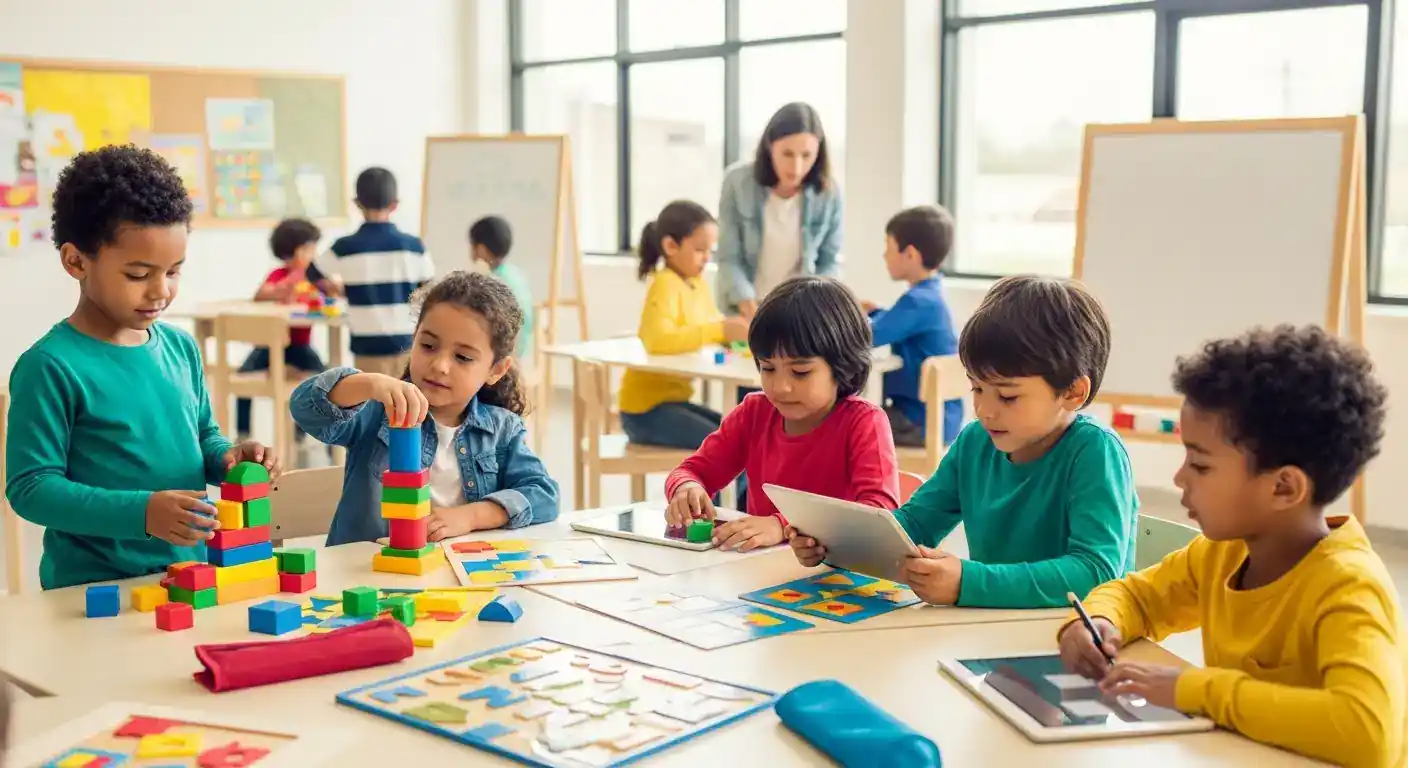
Building strong family bonds is a continuous journey, and interactive games are a cornerstone of this process. In today's fast-paced world, screens often dominate our leisure time, but setting aside dedicated moments for shared play can profoundly impact family relationships. Engaging in interactive games to play with your child not only creates cherished memories but also fosters crucial developmental skills, enhances communication, and strengthens the emotional connection between parents and children. This article explores various types of games that can bring your family closer, offering practical, fun, and effective ways to nurture stronger family ties.
Key Points:
- Boosts Communication: Games encourage open dialogue and active listening.
- Enhances Emotional Connection: Shared experiences build empathy and understanding.
- Develops Essential Skills: Promotes problem-solving, creativity, and social awareness.
- Creates Lasting Memories: Fun, collaborative play leads to treasured family moments.
- Reduces Screen Time: Offers a healthy alternative for family entertainment.
The Power of Play: Why Interactive Games Matter for Family Bonds
Play is more than just fun; it's a fundamental aspect of human development and relationship building. When families engage in interactive games, they create a safe and playful environment where everyone can express themselves, learn from each other, and feel a sense of belonging. This shared experience transcends daily routines, allowing family members to connect on a deeper, more personal level. According to research from the National Institute for Play, unstructured and structured play can significantly improve cognitive functions and emotional regulation in children. Moreover, studies published in the Journal of Family Psychology (2024) highlight that families who regularly engage in shared activities report higher levels of marital satisfaction and stronger parent-child relationships.
This isn't just about toddlers and board games; interactive games for strengthening family ties are adaptable for all ages. Whether it's a quick card game during a weeknight or an elaborate scavenger hunt on a weekend, the intention behind the activity is what truly matters. It signals to your child that you value their time and presence, fostering a sense of security and importance.
Key Benefits of Family Game Time:
- Improved Communication Skills: Children learn to articulate their thoughts, listen to others, and negotiate, all within a low-stakes environment.
- Enhanced Problem-Solving Abilities: Many games require strategic thinking and collaborative solutions, boosting cognitive development.
- Increased Empathy and Social Skills: Understanding different perspectives and working towards a common goal helps children develop empathy and learn cooperation.
- Stress Reduction: Play is a natural stress reliever for both children and adults, promoting relaxation and positive emotional states.
- Building Resilience: Facing challenges and occasional "losses" in games teaches children about perseverance and how to handle disappointment gracefully.
Engaging Interactive Games to Play With Your Child
Choosing the right interactive games to play with your child depends on their age, interests, and the developmental skills you wish to foster. The goal is to find activities that are enjoyable for everyone involved and encourage meaningful interaction.
H2: Creative and Imaginative Play for Stronger Family Ties
Imagination is a powerful tool for connection. Games that encourage creativity allow children to express themselves freely and for parents to see the world through their child's unique perspective.
Building Worlds Together: Collaborative Storytelling
This is a fantastic interactive game for family bonding with no equipment needed. Start a story with a simple sentence, like "Once upon a time, in a land made of candy..." and have each family member add a sentence or two, building a narrative collaboratively. This game enhances verbal skills, creativity, and the ability to listen and build upon others' ideas.
- How to Play: Sit in a circle. The first person starts the story. The next person continues it, and so on.
- Variations: You can use props like toys or drawings to inspire the story. Try different genres, from fantasy to detective stories.
Charades and Pictionary: Non-Verbal Communication Boosters
These classic games are excellent for developing non-verbal communication skills and encouraging laughter. They require family members to observe, interpret, and express themselves in creative ways, breaking down communication barriers.
- Charades: One person acts out a word or phrase without speaking, while others guess.
- Pictionary: One person draws a word or phrase, and their team guesses.
- Differentiated Value: Incorporating personal inside jokes or family memories into the words to be acted out or drawn adds a unique layer of connection that generic versions of these games lack.
H2: Board Games and Card Games: Strategic Fun for All Ages
Board games and card games offer structured play that can encourage strategic thinking, patience, and good sportsmanship. They are wonderful for teaching children about rules, turn-taking, and managing wins and losses.
Cooperative Board Games: Teamwork Makes the Dream Work
Cooperative games are perfect for fostering teamwork. Instead of competing against each other, players work together to achieve a common goal, facing the game's challenges as a unified team. This is a prime example of interactive games to play with your child to build unity.
- Examples: "Pandemic" (for older children and adults), "Forbidden Island," "Castle Panic."
- Why they work: They emphasize collaboration and shared decision-making, reducing competition and promoting a sense of collective achievement. A report from the American Psychological Association (2023) on play and child development noted the significant benefits of cooperative play in reducing aggression and increasing prosocial behaviors.
Classic Card Games: Simple Fun, Big Impact
Many card games require minimal setup and can be played anywhere. They are excellent for developing memory, logic, and quick thinking.
- "Go Fish": Great for younger children to learn matching and asking for specific cards.
- "Crazy Eights": Introduces strategic thinking about discarding and matching ranks or suits.
- "Uno": A popular choice that combines color and number matching with special action cards, keeping everyone engaged.
H2: Active and Outdoor Games for Energetic Families
Physical activity is crucial for health and well-being, and interactive games to play with your child outdoors can be incredibly bonding. These activities release energy, promote physical coordination, and create shared adventures.
Scavenger Hunts: Adventure and Discovery
Organize a scavenger hunt around the house, backyard, or a local park. Clues can be riddles, puzzles, or simple directions. This game encourages problem-solving, reading comprehension, and teamwork as family members work together to find the hidden treasures.
- Tip: Tailor the difficulty of clues to the age of your youngest participant, ensuring everyone can contribute.
Family Sports Challenges: Friendly Competition
Organize informal sports challenges like a backyard obstacle course, a family mini-Olympics, or a simple game of catch. Focus on participation and fun rather than intense competition.
- Ideas: Balloon volleyball, frisbee golf, three-legged races.
- Differentiated Value: Instead of just playing a sport, create a "Family League" with silly trophies or personalized team names. This adds a unique, personalized element that strengthens inside jokes and shared identity.
H2: Educational Games for Learning Through Play
Learning doesn't have to be confined to classrooms. Many interactive games to play with your child can be both educational and fun, reinforcing academic concepts or teaching new skills in an engaging way.
Science Experiments as Games
Turn simple science experiments into exciting games. For example, creating a baking soda and vinegar volcano can be a race to see who can make the biggest eruption, or experimenting with density by layering liquids can be a "guess what happens next" challenge.
- Source: Websites offering kid-friendly science experiments often provide ideas for gamifying the process. For instance, a 2025 article in Educational Play Magazine highlighted how turning science experiments into challenge-based games increased student engagement by over 40%.
Puzzle Challenges: Brain Teasers for the Family
Jigsaw puzzles, Sudoku, or logic puzzles can be tackled together. Working collaboratively on a large jigsaw puzzle, for example, requires patience, observation, and communication as family members discuss where pieces might fit.
- Benefit: These activities develop critical thinking, spatial reasoning, and patience.
Creating a Game-Playing Culture in Your Home
Making interactive games to play with your child a regular part of your family routine requires intention and consistency. It's about carving out dedicated time for connection.
Schedule Family Game Nights (and Days!)
Designate a specific time each week for family game night. This could be a Friday evening after dinner, a Sunday afternoon, or even a lunch break if schedules permit. Consistency is key, as it builds anticipation and makes it a natural part of your family’s rhythm.
Rotate Game Choices and Responsibilities
Allow different family members to choose the game for each session. This ensures everyone gets to play games they enjoy and helps children develop leadership and decision-making skills. Rotate who sets up the game, explains the rules, and even acts as the scorekeeper.
Embrace Imperfection and Focus on Connection
The goal isn't to win every game or play perfectly. It's about spending quality time together, laughing, and supporting one another. Encourage good sportsmanship and remember that playing interactive games for stronger family ties is about the journey, not just the outcome.
Unique Insights for Enhanced Family Bonding
Beyond the standard suggestions, consider these approaches to elevate your family game experiences:
Themed Game Nights: Immersive Fun
Choose a theme for your game night – pirate night, space adventure, or a mystery theme. You can incorporate themed snacks, music, and even costumes to make the experience more immersive. The chosen game can then tie into the theme. For example, a "pirate night" might involve a treasure map-themed board game or a backyard hunt for "buried treasure."
Digital Games with a Family Twist
While screen time can be a concern, some digital games can foster family connection when played together. Look for cooperative multiplayer games or games that encourage shared problem-solving and communication.
- Examples: "Overcooked" (chaotic but cooperative cooking simulator), "Minecraft" (creative building and exploration), "Jackbox Party Pack" games (humorous and interactive trivia/drawing games designed for groups).
- Differentiated Value: Instead of simply playing, set a "family design challenge" in Minecraft, or dedicate a "Jackbox tournament" with a silly prize. This turns passive screen time into an active, shared family event.
Frequently Asked Questions (FAQ)
Q1: What are the most important benefits of playing interactive games with my child?
Playing interactive games with your child fosters stronger communication, enhances emotional connection, develops essential problem-solving and social skills, and creates lasting positive memories. These shared experiences are crucial for building secure and loving family relationships.
Q2: How can I encourage my child to participate if they seem uninterested?
Start small with games that match their interests. Involve them in choosing the game, and make the first few sessions lighthearted and fun, focusing on participation rather than winning. Positive reinforcement and enthusiasm from you can be contagious.
Q3: What if my child gets upset when they lose a game?
This is a common challenge. Use losses as teaching moments about good sportsmanship. Reassure them that playing is more important than winning and that you’re proud of their effort. Focusing on the fun they had playing together can help shift their perspective.
Q4: Are there any interactive games suitable for very young children (toddlers)?
Yes, for toddlers, simple games like peek-a-boo, building block towers together, simple matching games, or singing action songs are excellent. These focus on interaction, imitation, and developing basic cognitive and motor skills through play.
Conclusion: Investing in Family Connections Through Play
The journey to stronger family ties is ongoing, and interactive games to play with your child are invaluable tools in this process. By dedicating time to play, you are investing in your child's development, your family's well-being, and a future filled with cherished memories. Remember that the most effective games are those that bring joy, encourage connection, and allow everyone to feel seen and valued. So, gather your family, pick a game, and start building those bonds, one playful moment at a time.
For more insights into fostering healthy family dynamics, explore articles on positive parenting strategies and effective communication techniques.
Article Publication Date: 2025-12-30 Recommended Update Frequency: Annually to incorporate new game trends and updated research on child development and family psychology.
Expandable Subtopics for Future Updates:
- Technology and Family Play: A deeper dive into balancing digital and analog games for family bonding.
- Games for Specific Developmental Stages: Tailoring game recommendations for different age groups (e.g., preschool, elementary, teens).
- Budget-Friendly Family Games: Creative and cost-effective ways to enjoy interactive play without breaking the bank.