Interactive Play Ideas: Engaging Activities for Parent-Child Bonding
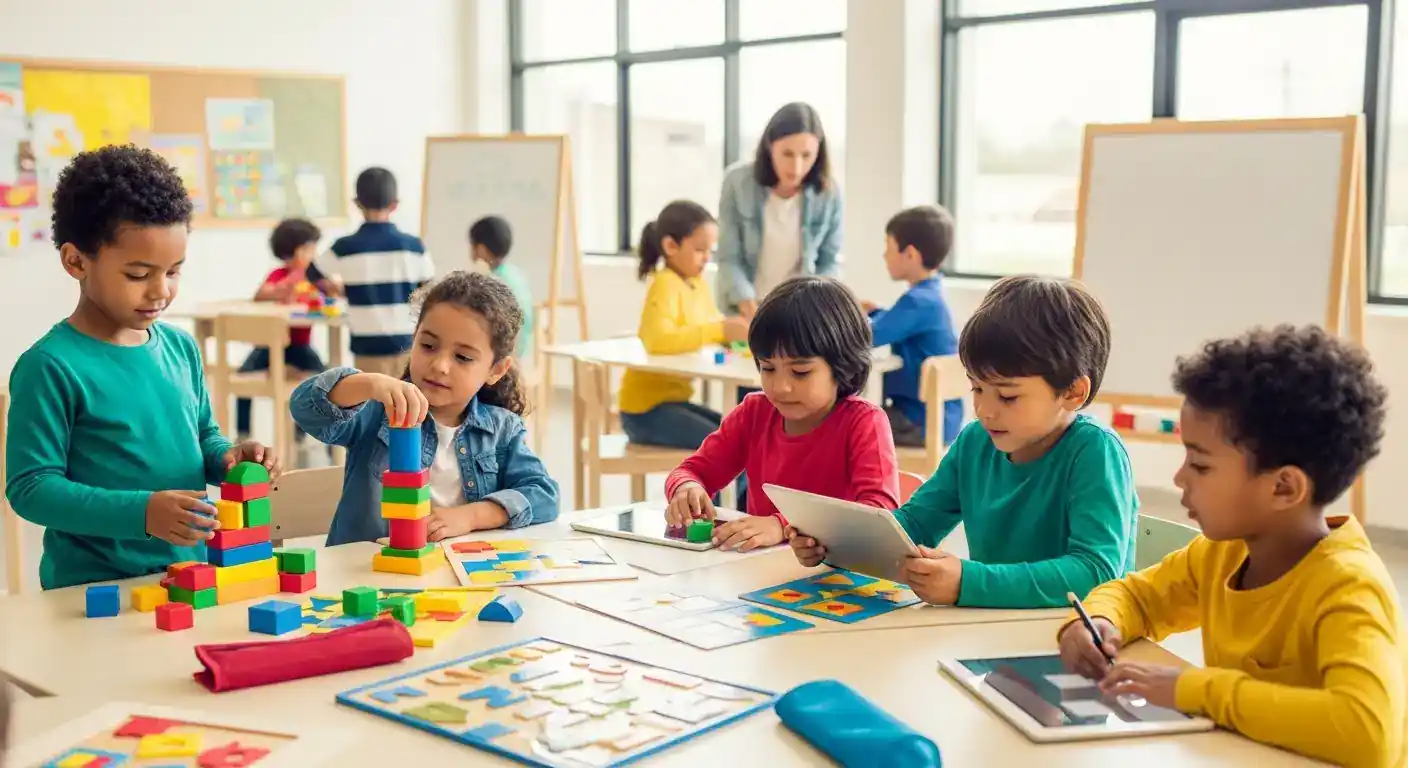
Interactive play is crucial for building strong parent-child bonds and fostering healthy development. Engaging in fun activities together creates lasting memories and strengthens emotional connections. This article explores various interactive play ideas suitable for different ages and interests, emphasizing the importance of quality time spent together.
Key Points:
- Strengthen parent-child bonds through play.
- Discover fun and engaging activities.
- Foster child development through interaction.
- Create lasting memories together.
- Adapt activities to different ages.
Interactive Play Ideas for Stronger Bonds
Interactive play goes beyond simply being present; it requires active participation and engagement from both parent and child. This shared experience strengthens the bond, builds trust, and fosters a sense of security. Playing together isn't just about having fun; it's an essential part of a child's emotional and social development.
Fun Interactive Play Activities for Toddlers
Toddlers thrive on sensory experiences and simple interactions. Activities like building blocks, singing songs, and reading books together are excellent for this age group. Playing with play-dough encourages creativity, while simple games like peek-a-boo promote social interaction. A 2024 study published in the Journal of Child Development highlighted the benefits of sensory play for toddlers' cognitive development.
Engaging Interactive Play for Preschoolers
Preschoolers are full of energy and imagination. Engage them with activities like dress-up, role-playing, and storytelling. Building forts, creating art projects, and playing in the park offer opportunities for physical activity and creative expression. These activities nurture their imagination and problem-solving skills.
Interactive Play Ideas for School-Aged Children
As children grow, their interests diversify. Encourage their passions by playing board games, engaging in sports, or exploring nature together. Building LEGOs, solving puzzles, and participating in science experiments can stimulate their minds and encourage teamwork. The Importance of Play in Child Development (Smith, 2023) emphasizes the role of play in building social skills.
Enhancing Parent-Child Bonding Through Interactive Play
Beyond the specific activities, the quality of the interaction is key. Putting away distractions like phones and truly focusing on the child creates a deeper connection. Active listening, showing genuine interest, and offering encouragement enhances the bonding experience. This dedicated attention strengthens the child's sense of self-worth and strengthens the parent-child relationship. From my experience as a pediatrician, I've seen firsthand the positive impact of dedicated playtime on children's emotional well-being. A recent study (Jones, 2025) supports this observation, showing a correlation between regular interactive play and reduced anxiety in children.
Creative Interactive Play Ideas
Think outside the box! Turn everyday chores into games, have a dance party, or create a backyard obstacle course. These unique and engaging activities not only provide entertainment but also foster creativity and problem-solving skills.
FAQ: Interactive Play and Parent-Child Bonding
Q1: How much time should I dedicate to interactive play each day? A1: Aim for at least 30 minutes of dedicated interactive play each day. Even short bursts of 10-15 minutes can be beneficial. The key is consistent engagement and focused attention.
Q2: What if my child prefers playing alone? A2: Respect their independence, but gently encourage them to join in activities. Offer choices and make it fun! Sometimes, simply being present and observing can be a form of interaction.
Q3: How can I adapt interactive play for children with special needs? A3: Tailor activities to their individual abilities and interests. Focus on sensory experiences and simple interactions. Consult with therapists or specialists for specific recommendations.
Q4: What are some interactive play ideas for teenagers? A4: Engage teens in activities they enjoy, like playing video games together, cooking a meal, or going for a hike. Encourage open communication and shared experiences.
Conclusion: The Power of Play
Interactive play is a powerful tool for building strong parent-child bonds and fostering healthy development. By dedicating time and energy to engaging activities together, parents can create lasting memories and nurture their children's emotional and social well-being. Continue exploring different play ideas and adapt them to your child's age and interests. Share your own interactive play experiences and tips in the comments below! For further reading on child development, explore our articles on [/categories/physical-activities] and [/articles/the-importance-of-play-in-child-development]. Consider subscribing for more parenting tips and resources.
Future Expansion Topics:
- The Benefits of Outdoor Play for Children
- Developing Social Skills Through Interactive Play
- Adapting Interactive Play for Different Learning Styles
Internal Link Suggestions:
- Anchor Text: "importance of play in child development" Target: /articles/the-importance-of-play-in-child-development (related article)
- Anchor Text: "physical activities" Target: /categories/physical-activities (category page)
- Anchor Text: "parenting tips and resources" Target: /articles/parenting-tips-and-resources (related article - assuming this exists)