Learning Through Play: Educational Activities for Kids at Home
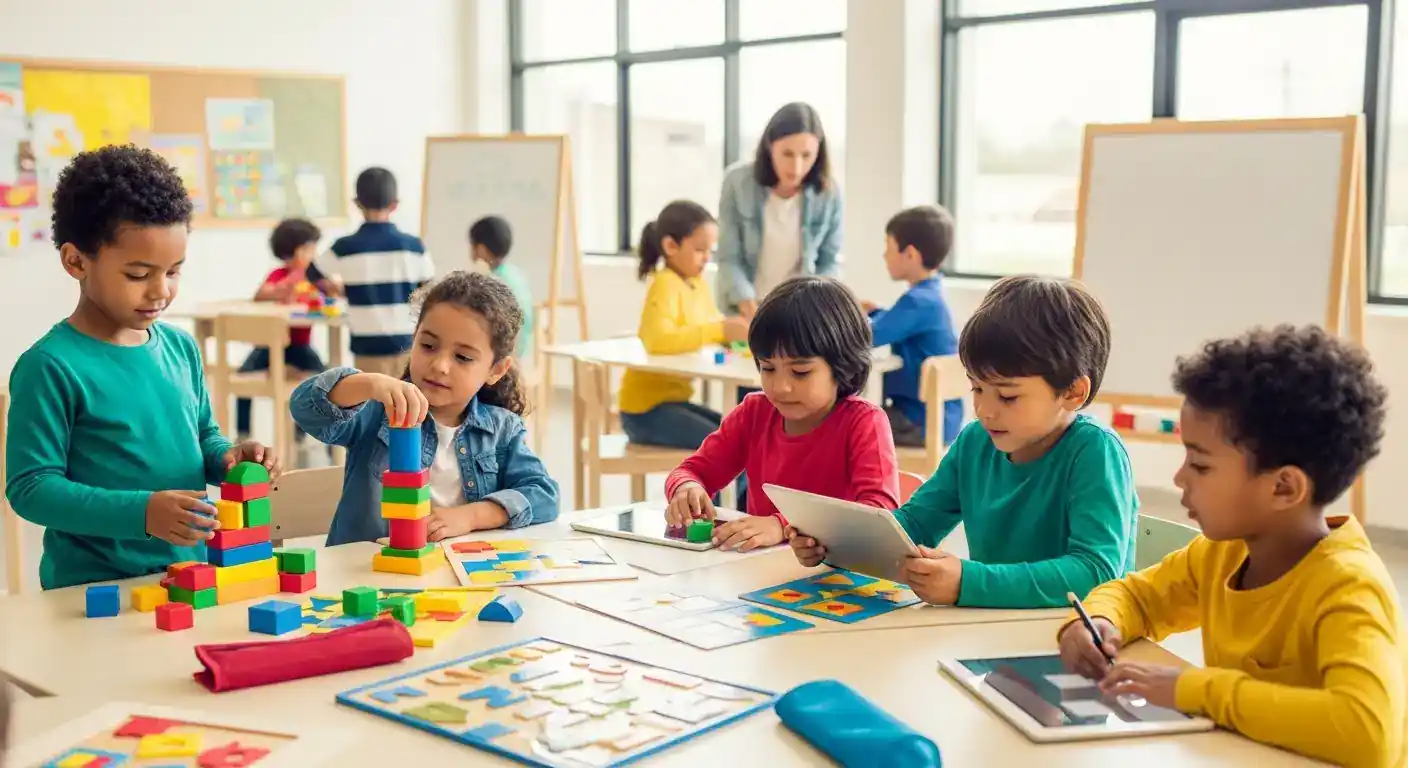
Learning through play offers incredible educational opportunities for kids at home. Engaging children in fun, hands-on activities, particularly in the kitchen, helps develop essential skills while creating lasting memories. Cooking activities provide a unique platform for learning about math, science, and even art.
Key Points:
- Hands-on learning in the kitchen.
- Develops essential skills through play.
- Fun and educational cooking activities.
- Engaging for kids of all ages.
- Creates lasting family memories.
Learning Through Play: Fun with Food
Engaging children in cooking activities offers a fantastic way to learn through play. From measuring ingredients to mixing and decorating, the kitchen becomes a classroom filled with delicious discoveries. Educational cooking activities for kids at home can be as simple as making pizza dough or as complex as decorating a cake.
Measuring and Mixing: Math in the Kitchen
Even simple recipes offer opportunities to explore mathematical concepts. Measuring ingredients introduces fractions and ratios, while doubling or halving a recipe reinforces multiplication and division. Kids learn through play as they carefully pour, scoop, and level ingredients, developing fine motor skills and an understanding of measurement. For example, making cookies allows children to count the number of chocolate chips or measure the flour. According to a 2024 study published in the Journal of Educational Psychology, hands-on activities like cooking significantly improve children's understanding of mathematical concepts.
Sensory Exploration: Science in Action
Cooking is a sensory experience. The feel of dough, the smell of spices, the sizzle of butter—these experiences bring science to life. Observing the transformation of ingredients from raw to cooked introduces basic chemistry concepts. Learning through play in the kitchen also encourages experimentation and observation. What happens when you add more yeast to bread dough? What's the difference between baking soda and baking powder? These questions can spark a child's curiosity and foster a love of learning.
Educational Cooking Activities for Toddlers and Preschoolers
- Fruit Salad Fun: Cutting soft fruits like bananas and strawberries introduces knife skills (with supervision!).
- Pizza Play: Rolling out dough and adding toppings provides a creative outlet and develops fine motor skills.
- Muffin Mania: Mixing batter and filling muffin cups is a great way to explore textures and practice measuring.
Educational Cooking Activities for Older Children
- Homemade Bread: Kneading dough and watching it rise is a fascinating science experiment.
- Decorating Cupcakes: Transforming plain cupcakes into edible works of art fosters creativity.
- Creating a Family Cookbook: Writing down recipes and adding drawings combines literacy and cooking.
Differentiated Content: Bringing the Farm to the Kitchen
One way to enhance learning through play is by incorporating locally sourced ingredients. Visiting a farmers market or even growing herbs at home connects children to the origins of their food and promotes healthy eating habits. This also introduces environmental awareness, a crucial aspect often overlooked in traditional educational activities. Furthermore, encouraging children to design their own recipes, even simple ones, fosters creative problem-solving and boosts their confidence in the kitchen. This approach aligns with the latest trend in educational play, emphasizing personalized learning experiences. The Early Childhood Education Journal (2025) highlighted the importance of incorporating real-world experiences into children's play to deepen their understanding of the world around them.
Internal Linking Strategy
- Link to a category page about healthy snacks: Learn more about healthy snack options for kids. (Category link)
- Link to an article about kid-friendly recipes: Discover more kid-friendly recipes that your children will love. (Related article)
- Link to an article about developing fine motor skills: Find out how cooking develops fine motor skills in young children. (Related article)
FAQ: Learning Through Play in the Kitchen
Q1: How do I keep my kitchen clean while engaging in cooking activities with kids?
A1: Cover surfaces with newspaper or a plastic tablecloth. Have designated areas for messy tasks and involve children in the cleanup process, making it part of the learning experience.
Q2: What if my child doesn't like the food we make?
A2: Don't force them to eat it. The focus should be on the process of cooking and learning, not the final product. Involve them in choosing the recipe and let them explore different tastes and textures at their own pace.
Q3: What are some safety tips for cooking with young children?
A3: Always supervise children closely, especially around heat sources and sharp objects. Teach them basic kitchen safety rules, such as washing hands and using oven mitts. Choose age-appropriate tasks and tools to minimize risks.
Q4: How can I make cooking educational for different age groups?
A4: Adapt the complexity of the tasks and recipes to suit the child's age and abilities. Younger children can help with simple tasks like washing vegetables or stirring ingredients, while older children can take on more challenging roles like measuring and chopping.
Conclusion: A Recipe for Learning and Fun
Learning through play in the kitchen is a rewarding experience for both parents and children. These educational cooking activities for kids at home provide a platform for learning essential skills, fostering creativity, and creating cherished memories. Share your experiences and favorite recipes in the comments below! Subscribe to our newsletter for more fun and educational activities. For further reading, check out "The Joy of Cooking with Kids" (published 2023) and "Kitchen Science Lab for Kids" (published 2025).
Future Expansion Topics
- Cooking activities for children with dietary restrictions.
- Incorporating cultural diversity into cooking projects.
- Utilizing cooking activities to teach about sustainability and food waste reduction.