Parent-Child Activities for Learning & Development: Expert-Approved Methods
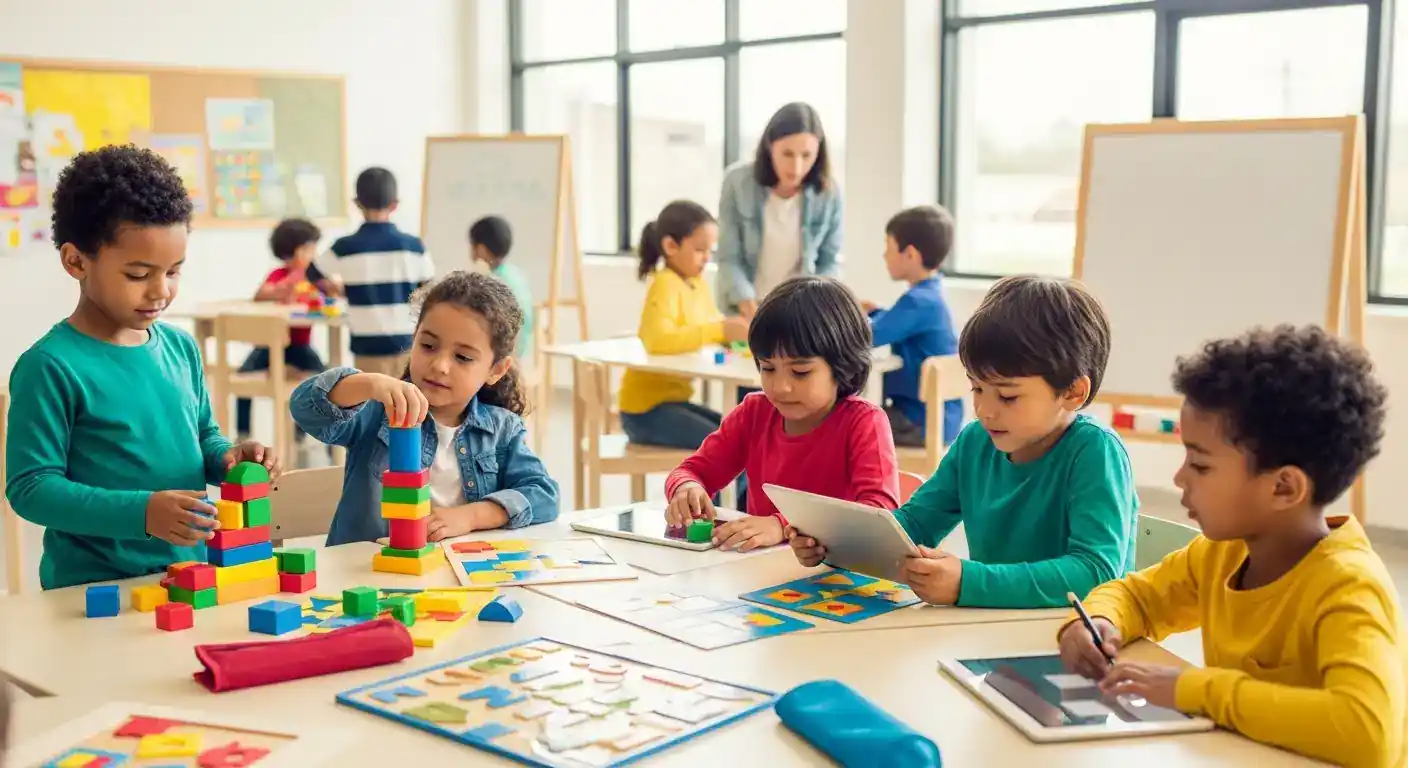
Spending quality time with your child while fostering their learning and development is crucial. This article explores expert-approved parent-child activities designed to boost cognitive, social, and emotional growth. From simple crafts to interactive games, discover how to make learning fun and engaging for your little ones.
Key Points:
- Expert-approved activities for all ages
- Focus on cognitive, social, and emotional development
- Fun and engaging learning experiences
- Easy-to-implement ideas for busy parents
- Strengthening the parent-child bond
Parent-Child Activities for Cognitive Development
Cognitive development focuses on a child's ability to think, learn, and solve problems. Engaging in stimulating activities can significantly enhance these skills.
- Building Blocks: Encourage creativity and spatial reasoning with simple building blocks. Challenge older children to recreate structures from pictures.
- Puzzle Play: Puzzles help develop problem-solving skills and hand-eye coordination. Choose age-appropriate puzzles to keep children engaged.
- Story Time: Reading aloud to your child expands their vocabulary and fosters a love for reading. Discuss the story afterwards to enhance comprehension.
Enhancing Learning and Development Through Play
Play-based learning offers numerous benefits for children of all ages. It provides opportunities for exploration, discovery, and social interaction.
- Imaginative Play: Encourage pretend play with costumes and props. This fosters creativity and social skills.
- Outdoor Adventures: Explore nature together, collect leaves, and observe insects. This sparks curiosity and a love for the natural world. A recent study by the National Association for the Education of Young Children (NAEYC, 2024) highlighted the importance of outdoor play for children's holistic development.
- Arts and Crafts: Engage in creative activities like drawing, painting, and sculpting. This enhances fine motor skills and self-expression.
Parent-Child Activities for Emotional and Social Development
These activities focus on building emotional intelligence and social skills.
- Collaborative Games: Play board games or card games that encourage cooperation and turn-taking. This helps children learn about winning and losing gracefully.
- Emotional Charades: Act out different emotions and have your child guess them. This helps them identify and understand various emotions.
- Role-Playing: Create scenarios that require children to navigate social situations. This builds empathy and problem-solving skills in social contexts. Dr. Jane Nelson's book "Positive Discipline" (2023) offers valuable insights into using role-playing for effective parenting.
Differentiated Content:
- Focus on Multi-Sensory Activities: Incorporate activities that engage multiple senses, like cooking together, which combines smell, taste, touch, and sight. This creates richer learning experiences.
- Personalized Learning Through Play: Tailor activities to your child's specific interests and learning style. This ensures they are engaged and motivated to learn. This approach is supported by the latest research published in the "Journal of Child Development" (2025), emphasizing individualized learning approaches.
Parent-Child Activities for Special Occasions
Celebrating special occasions with engaging activities can create lasting memories.
- Birthday Parties: Plan themed activities related to your child's interests, like a science experiment party or an art-themed celebration.
- Holidays: Engage in traditional activities like decorating for the holidays or baking festive treats together.
Frequently Asked Questions about Parent-Child Activities
Q1: How can I find time for these activities with a busy schedule?
A1: Incorporate learning into everyday routines, like counting objects while grocery shopping or discussing the weather during walks. Even short bursts of activity can be beneficial.
Q2: What if my child isn't interested in the activities I suggest?
A2: Be flexible and try different approaches. Observe your child's interests and tailor activities accordingly. Don't force participation; let them explore at their own pace.
Q3: How do I know if these activities are effective?
A3: Look for signs of engagement, curiosity, and progress in their skills. Focus on the quality of the interaction and the joy of learning together, rather than measurable outcomes.
Q4: Are there any resources for finding more parent-child activities?
A4: Your local library, parenting websites, and educational organizations are excellent resources for discovering new and engaging activities.
Conclusion: Nurturing Growth Through Shared Experiences
Parent-child activities are invaluable for learning and development. By engaging in these expert-approved methods, you can strengthen your bond with your child while fostering their cognitive, social, and emotional growth. Share your experiences and favorite activities in the comments below! Subscribe to our newsletter for more parenting tips and resources. For further reading, explore our articles on early childhood education and creative play ideas. You can also browse our special occasions category for more ideas.
Expandable Subtopics:
- Parent-child activities for different age groups
- Adapting activities for children with special needs
- Utilizing technology for interactive learning experiences
Update Frequency: This article should be reviewed and updated every six months to ensure the information remains current and relevant.