Parent-Child Bonding Activities: Nurturing Close Relationships Through Play
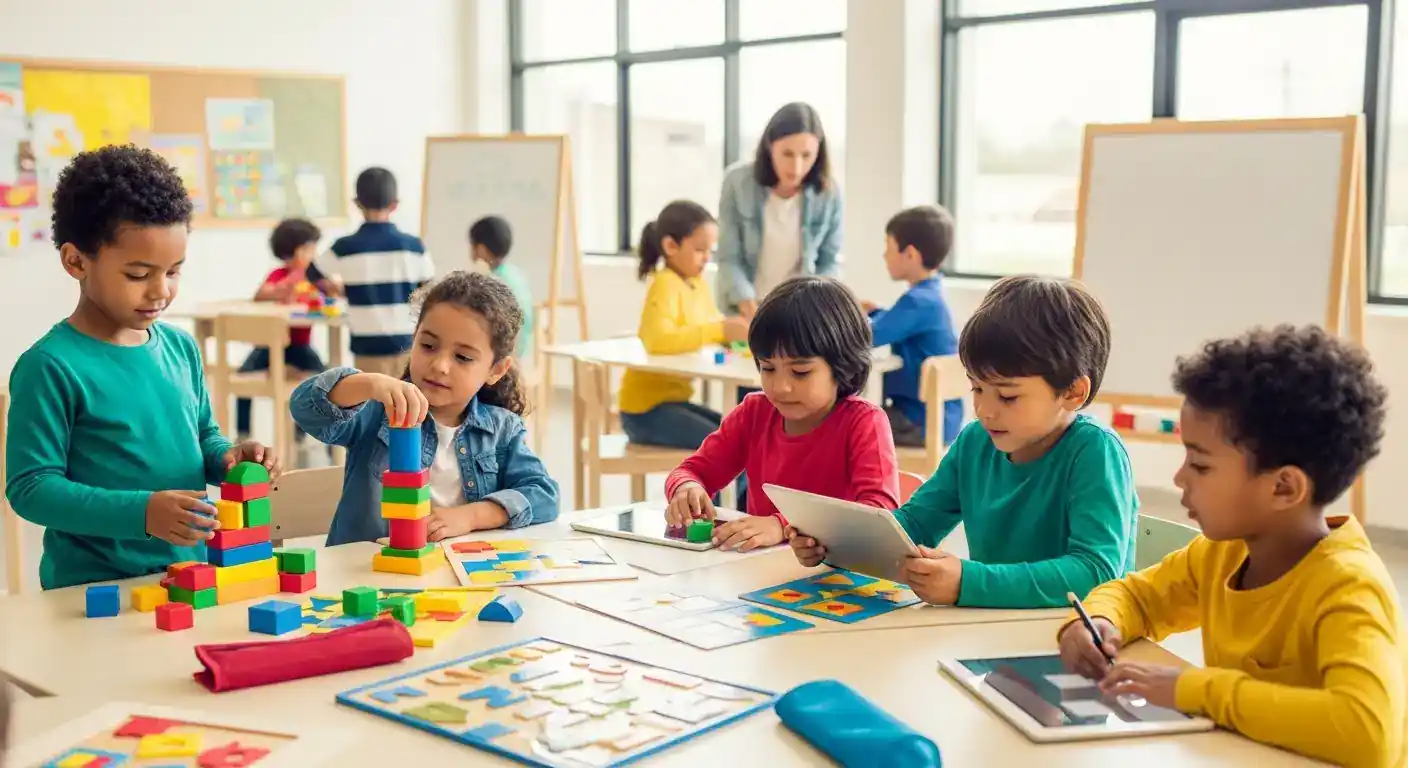
Spending quality time with your child is crucial for building a strong and loving relationship. Parent-child bonding activities, especially those involving music and movement, offer fantastic opportunities to connect, play, and create lasting memories. These shared experiences foster a sense of security and belonging, promoting healthy emotional and social development.
Key Points:
- Music and movement enhance bonding.
- Playful activities build strong relationships.
- Shared experiences create lasting memories.
- Bonding promotes healthy development.
- These activities are fun for all ages.
Parent-Child Bonding Activities: Exploring Music and Movement
Engaging in parent-child bonding activities through music and movement provides a rich and stimulating environment for children to grow and thrive. Music naturally encourages interaction and self-expression, while movement fosters physical coordination and creativity. Combining the two creates a powerful platform for connection.
Creating Musical Memories: Bonding Through Sound
Singing lullabies, playing instruments, and dancing together are just a few ways to incorporate music into your bonding routine. Even simple activities like listening to music together and discussing your favorite songs can create a sense of shared enjoyment and understanding. This shared experience creates a special bond between parent and child. A 2024 study by the National Institute of Child Health and Human Development highlighted the importance of musical interaction in early childhood development.
Moving and Grooving: Parent-Child Bonding Through Dance
Dance is a fantastic way to express yourselves and have fun together. Put on some music and let loose! Don't worry about being perfect, just enjoy the moment and the connection you're creating with your child. Dancing is a joyful experience for both parent and child. You can even create your own silly dances and make it a regular part of your routine. The "Joy of Movement" study published in the Journal of Pediatric Psychology in 2023 emphasized the positive impact of shared movement on parent-child relationships.
Fun and Engaging Parent-Child Bonding Activities
- Musical Games: Play musical games like freeze dance or musical chairs. These activities are a fun way to get moving and laughing together.
- Instrument Exploration: Introduce your child to different musical instruments. Let them explore the sounds and rhythms.
- Sing-Alongs: Sing your child's favorite songs or create your own silly songs. Singing is a wonderful way to connect and express yourselves.
- Movement Games: Play games like Simon Says or Red Light, Green Light. These classic games encourage active participation and listening skills.
- Story Time with Movement: Act out stories together using movement and sound effects. This interactive approach brings stories to life and encourages imagination.
Unique Bonding Experiences: Beyond the Basics
One way to differentiate your bonding experience is to personalize it. Create a playlist of songs that are meaningful to you and your child. These songs can represent special moments, inside jokes, or shared interests. This creates a unique auditory landscape for your relationship. Another approach is to incorporate elements of mindfulness into your movement activities. Encourage your child to focus on their breath and body as they move, fostering a deeper connection to themselves and their surroundings. The Mindful Movement for Children guide (2025) offers practical exercises for incorporating mindfulness into movement.
FAQ: Parent-Child Bonding Activities
Q: How often should I engage in these activities? A: Aim for regular engagement, even if it's just for a short period each day. Consistency is key to building a strong bond. Even 15 minutes of dedicated playtime can make a difference.
Q: What if my child isn't interested in music or movement? A: Don't force it. Try different approaches and find activities that align with your child's interests. There are many ways to bond, and music and movement are just a few examples.
Q: What are the benefits of parent-child bonding activities? A: These activities foster a sense of security, promote healthy development, and create lasting memories. They also strengthen the parent-child relationship and enhance communication.
Q: Can these activities be adapted for different age groups? A: Absolutely! Adapt the activities to suit your child's age and developmental stage. For younger children, focus on simple movements and songs. For older children, introduce more complex games and activities.
Next Steps: Building a Stronger Bond
Start incorporating these parent-child bonding activities into your routine today! Even small efforts can make a big difference in your relationship with your child. Share your experiences and favorite bonding activities in the comments below! Subscribe for more tips and ideas on nurturing close relationships. For further reading, explore our articles on /categories/music-activities and /articles/creating-a-musical-home-environment. You can also learn more about developing children's musicality in our article on /articles/developing-musicality-in-children.
Expandable Subtopics for Future Updates:
- Benefits of specific musical instruments for child development
- Incorporating technology into music and movement activities
- Adapting activities for children with special needs
This article was published on 2025-08-30 and is recommended to be reviewed and updated annually to reflect current trends and research in child development.