Reduce Stress & Improve Calm: Engaging Mindful Movement Activities for Children
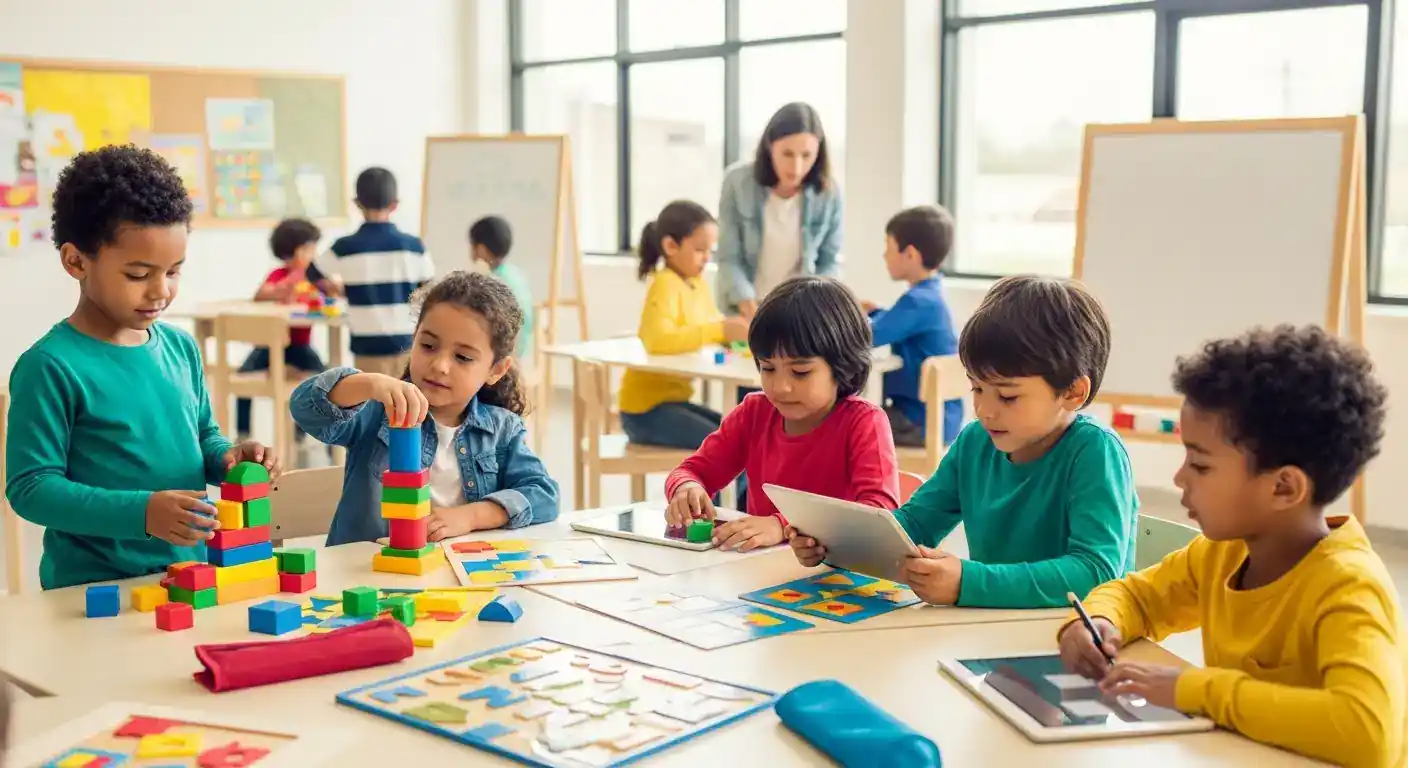
Life for children today is filled with pressures, from academic expectations to social dynamics, often leading to increased stress and anxiety. While traditional methods of relaxation are important, integrating physical activity with mental focus offers a powerful antidote. This article explores how engaging mindful movement activities for children can profoundly reduce stress and improve calm, fostering their overall well-being and emotional resilience.
Mindful movement teaches children to connect with their bodies and emotions in the present moment. It's about more than just exercise; it’s a pathway to self-awareness and emotional regulation. By incorporating these practices into daily routines, we empower children with lifelong tools for managing their inner world.
Key Points:
- Holistic Benefits: Mindful movement nurtures both physical and emotional health.
- Stress Reduction: Specific activities help calm the nervous system and manage anxiety.
- Emotional Regulation: Children learn to identify and process feelings through body awareness.
- Enhanced Focus: Improves concentration and cognitive function.
- Easy Integration: Simple activities can be woven into everyday life at home or school.
Understanding Mindful Movement for Children
Mindful movement, in its essence, involves performing physical activities with a conscious awareness of the body's sensations, breath, and surrounding environment. For children, this translates into playful yet intentional exercises that build a stronger mind-body connection. It's a vital component of children's well-being, helping them navigate their developing emotions and senses.
Research consistently highlights the benefits of combining movement with mindfulness. A study published in the Journal of Pediatric Psychology in 2024 indicated that regular mindful movement practices significantly lowered reported stress levels and improved self-regulation in elementary school-aged children. This isn't just about physical activity; it's about intentional presence. Through guided movements, children learn to pause, observe, and respond thoughtfully rather than react impulsively.
Integrating these activities early can be transformative. It supports the development of executive functions, improving attention, memory, and problem-solving skills. From my experience working with diverse groups of children, those engaged in mindful movement often demonstrate greater empathy and resilience. It's a proactive approach to mental health, providing practical strategies to reduce stress and improve calm in their daily lives.
Practical Mindful Movement Activities to Reduce Stress
Implementing mindful movement doesn't require specialized equipment or extensive training. Many effective activities can be easily adapted for home or classroom settings, offering fun ways to reduce stress and improve calm in children.
Yoga Adventures for Little Ones
Yoga is a cornerstone of mindful movement, perfectly suited for children. Instead of complex poses, focus on engaging storytelling and animal-themed movements.
- Animal Poses Journey: Encourage children to embody different animals. "Can you be a tall tree swaying in the wind (Tree Pose)?" or "How about a sleepy cat stretching on the mat (Cat-Cow)?"
- Story-Based Yoga: Create a simple narrative, with each part of the story corresponding to a yoga pose. For instance, a journey through a jungle with lions, elephants, and snakes. This makes the activity feel like play, not a chore.
- Breathing with Movement: Integrate simple breathing exercises. As they stretch up, they breathe in; as they fold down, they breathe out. This direct link between breath and motion is key for self-regulation.
Nature Walks with Mindful Awareness
Taking mindful walks outdoors can significantly enhance children's well-being by connecting them with nature. These walks are less about speed and more about sensory exploration.
- "I Spy" with Senses: Instead of just colors, ask children to "spy" specific sounds, textures, or even smells. "I spy something rough to touch," or "I hear a bird singing."
- Slow Motion Exploration: Designate short periods to walk extra slowly, noticing every step, how their feet feel on the ground, and the subtle movements of their bodies.
- Grounding Rocks: Find a smooth stone together. Encourage children to hold it, focusing on its texture and temperature, as a tactile anchor for their attention during moments of calm.
Mindful Breathing & Stretching Games
Breathing and stretching are fundamental to calming the nervous system. Turning them into games makes them appealing for children.
- Balloon Breath: Children place their hands on their belly. As they inhale, they imagine a balloon inflating in their belly; as they exhale, the balloon deflates. This simple visualization is incredibly effective for deep breathing.
- Bumblebee Breath (Bhramari): Children cover their ears and hum softly as they exhale. The gentle vibration can be deeply soothing and aids emotional regulation.
- Spaghetti to Stiff: Have children lie down and imagine they are stiff, uncooked spaghetti. Then, on a count, they slowly become cooked, floppy spaghetti, relaxing each body part from head to toe.
Sensory Scavenger Hunts
Sensory activities engage children's attention directly, fostering present moment awareness and aiding focus.
- Texture Hunt: Provide a list or pictures of different textures (smooth, bumpy, soft, rough) for children to find objects matching them.
- Sound Safari: Sit quietly with eyes closed and identify all the sounds heard, both near and far. Discuss what each sound might be.
- Aroma Guessing Game: Introduce various safe, pleasant scents (e.g., orange peel, lavender sachet, mint leaf) and have children guess them while focusing on the sensation of smell.
Fostering Calmness Through Intentional Movement
Beyond specific activities, a broader approach to intentional movement can instill a deep sense of calm and resilience. These methods often involve more expressive or rhythmic aspects.
Dance & Expressive Movement
Free-form dance encourages children to express emotions physically, an important aspect of emotional regulation.
- Emotion Dance: Play music and ask children to dance how they feel (happy, sad, frustrated, calm). There's no right or wrong way; it’s about expression.
- Mindful Freeze Dance: Play music and have children dance. When the music stops, they "freeze" and hold their position, noticing their body and breath. This incorporates mindful pauses into active play.
- Movement Mirroring: Partner children up to mirror each other's slow, intentional movements without talking. This builds connection and body awareness.
Body Scan Journeys
A guided body scan helps children develop profound body awareness, crucial for identifying and releasing tension.
- Lying Down Explorations: Have children lie comfortably. Guide them to notice each part of their body, from toes to head. "Wiggle your toes. Can you feel them? Now let them be still and relaxed."
- Tense and Release: Guide children to gently tense one body part (e.g., make a fist) for a few seconds, then completely relax it, noticing the difference. This teaches them to consciously release tension.
Rhythmic Activities & Drumming
Rhythmic movements and sounds can be incredibly soothing and help synchronize mind and body, enhancing concentration.
- Body Percussion: Use hands to clap, knees to pat, feet to stomp, creating simple rhythms. This engages coordination and listening skills.
- Guided Drumming/Shaking: With simple drums or shakers (even homemade ones with rice in bottles), guide children to follow a slow, steady beat, focusing on the sound and the feeling of the rhythm. This can be a powerful way to bring a group into a state of shared calm.
Implementing Mindful Movement: Tips for Parents & Educators
Successfully integrating mindful movement into a child's routine requires a thoughtful, playful approach. As a professional who has observed positive outcomes in educational settings, here are some key tips:
- Start Small and Be Consistent: Even 5-10 minutes a day can make a difference. Regular, short sessions are more effective than infrequent long ones.
- Keep it Playful and Fun: Frame activities as games or adventures. Children learn best when they are engaged and enjoying themselves. Avoid turning it into a chore or another 'task'.
- Model the Behavior: Children learn by imitation. Participate alongside them, demonstrating your own calm and focus. Your presence and engagement are powerful.
- Create a Dedicated Space (Even Small): Designate a "calm corner" or simply a mat where these activities take place. This ritual can signal to the child that it's time for quiet focus.
- Listen to Your Child's Cues: Some days, a child might be more receptive to active movement; other days, a quiet body scan might be preferred. Adapt to their energy and mood.
- Praise Effort, Not Perfection: Acknowledge their willingness to try and their focus, rather than judging how well they perform a pose. The goal is self-awareness, not gymnastics.
- Incorporate Co-regulation: A point of differentiation from many guides, adult participation in mindful movement activities provides a powerful co-regulation mechanism. When an adult is present, calm, and engaged, a child’s nervous system can mirror that state, enhancing the effectiveness of the activity. This shared experience deepens the connection and reinforces the child’s ability to find their own calm. This concept is increasingly emphasized in current child development literature (e.g., Child Development Research, 2023).
Consider these practices as part of a broader approach to educational learning activities. For more comprehensive strategies on fostering emotional growth, explore other helpful resources in the /categories/educational-activities category, such as /articles/nurturing-emotional-resilience-in-young-children. For days when outdoor activities aren't an option, /articles/creative-indoor-activities-for-kids-on-rainy-days provides excellent alternatives.
Frequently Asked Questions
Q1: What age is best for starting mindful movement activities?
Mindful movement can be adapted for almost any age. Toddlers can benefit from simple breathing games and animal poses, while preschoolers and elementary school children can engage in more structured yoga, body scans, and expressive dance. The key is to tailor activities to their developmental stage and attention span, keeping them short and highly engaging for younger children.
Q2: How often should we practice mindful movement to see benefits?
Consistency is more important than duration. Even 5-10 minutes daily can yield significant benefits over time. For optimal results, aim for a few short sessions throughout the day, perhaps as a morning wake-up, a transition before homework, or a calming activity before bedtime. Regular practice helps children integrate these skills into their daily coping mechanisms.
Q3: What if my child resists participating in mindful movement?
Resistance is common. Avoid forcing the issue, which can create negative associations. Instead, try making it a choice, presenting different options, or modeling the activity yourself without pressure. Sometimes, simply doing the activity nearby without inviting them can pique their curiosity. Short, playful bursts often work better than long, structured sessions for reluctant children.
Q4: Can mindful movement help children with ADHD or anxiety?
Absolutely. Mindful movement can be particularly beneficial for children with ADHD or anxiety. It helps improve focus, reduce impulsivity, and manage anxious feelings by bringing attention to the present moment and body sensations. The structured yet gentle nature of these activities can provide a calming routine and a sense of control for children who often feel overwhelmed.
Embrace Calm: Your Child's Journey to Inner Peace
Empowering children with tools to reduce stress and improve calm is one of the most valuable gifts we can offer. Engaging in mindful movement activities not only provides immediate relief but also cultivates essential life skills for emotional intelligence and self-regulation. Start today, with curiosity and playfulness, and watch your child flourish.
We'd love to hear about your experiences! Share your child's favorite mindful movement activity in the comments below. For further insights and inspiration, subscribe to our newsletter for more educational learning activities and expert advice. You can also explore our range of resources on fostering educational learning activities in children.