Simple Mindful Parenting Exercises to Create Deeper Connections with Your Kids
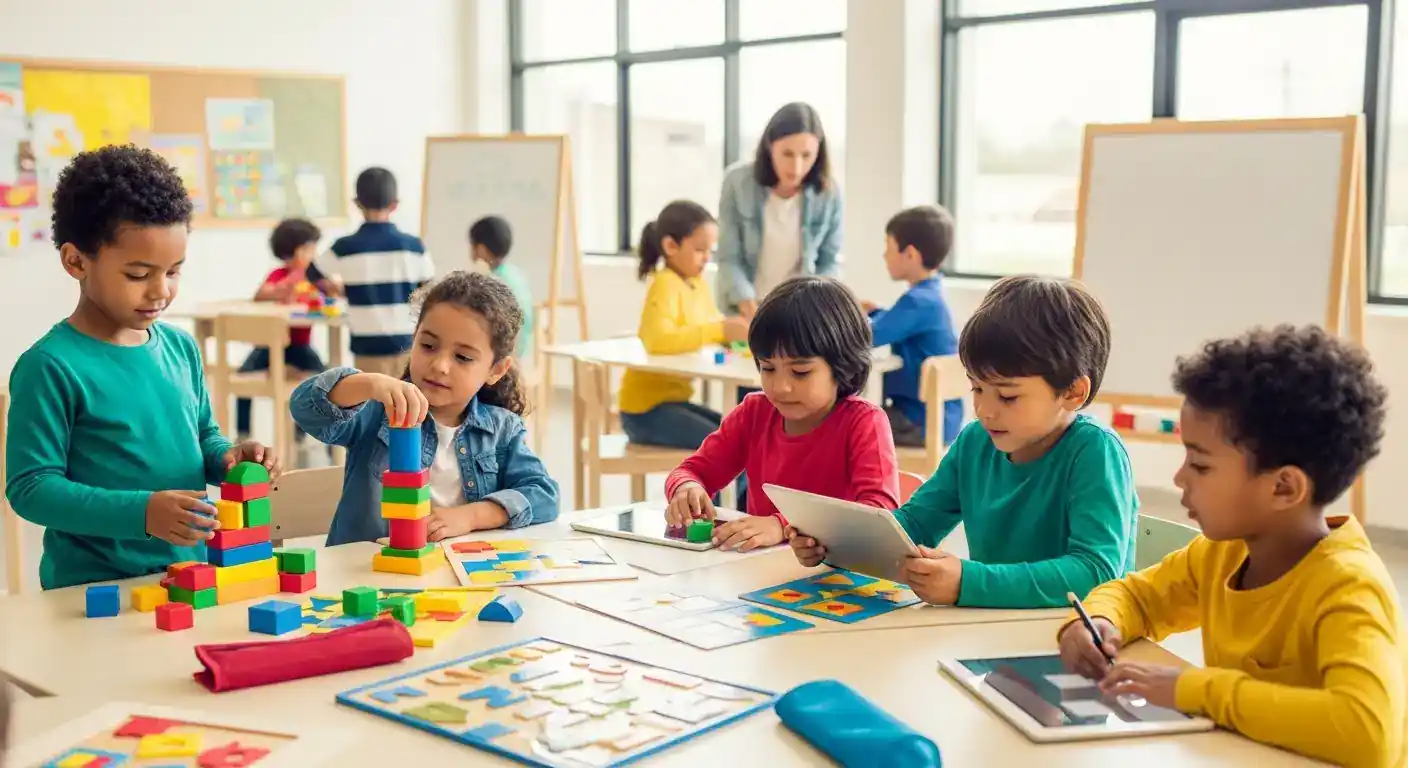
The journey of parenting is filled with countless joys and unique challenges. In our fast-paced world, it's easy to feel overwhelmed and disconnected from the very people we cherish most: our children. This article explores simple mindful parenting exercises to create deeper connections with your kids, offering practical strategies to cultivate presence, empathy, and understanding in your daily interactions. By intentionally focusing on the present moment, parents can foster a nurturing environment that strengthens family bonds and promotes emotional well-being for everyone.
Mindful parenting isn't about perfection; it's about being present, aware, and responsive. It encourages us to pause, observe our reactions, and engage with our children from a place of calm and compassion. These exercises are designed to be integrated seamlessly into your routine, transforming everyday moments into opportunities for meaningful connection.
Key Points:
- Cultivate Presence: Be fully present during interactions, even brief ones.
- Practice Active Listening: Hear and validate your child's feelings.
- Engage All Senses: Use sensory play to deepen shared experiences.
- Limit Distractions: Dedicate screen-free time for family connection.
- Integrate Movement & Music: Enhance bonding through shared physical activities.
What is Mindful Parenting and Why It Matters for Connection?
Mindful parenting is an approach to raising children that emphasizes bringing conscious awareness and intentional presence to the parent-child relationship. It encourages parents to pay attention to their children's needs, their own reactions, and the present moment without judgment. This practice moves beyond automatic responses, inviting parents to respond thoughtfully and compassionately, which is crucial for building trust and genuine understanding.
The true power of mindful parenting lies in its ability to create deeper connections with your kids. When you are fully present, your child feels seen, heard, and valued. This sense of security and belonging is fundamental for their emotional development and strengthens the parent-child bond significantly. It helps children develop better emotional regulation, self-awareness, and resilience, as they learn these vital skills from a parent who models them.
The Science Behind Present Parenting
Emerging research continually highlights the profound impact of parental presence. Studies have shown that children with mindful parents often exhibit better social skills and emotional intelligence. According to a comprehensive review published in the Journal of Child Psychology and Psychiatry in October 2024, children whose parents practice mindful awareness show improved executive function and reduced anxiety levels. This isn't just anecdotal; it's rooted in neurobiological processes where consistent, positive interactions help shape a child's developing brain, fostering secure attachment styles. Embracing mindful parenting techniques isn't just good for your relationship; it's a vital investment in your child's long-term well-being.
Simple Mindful Parenting Exercises for Deeper Connections
Integrating mindful practices into your daily life doesn't require grand gestures; it's about shifting your approach to everyday moments. These simple mindful parenting exercises are designed to be accessible, effective, and transformative, helping you strengthen your bond and create deeper connections with your kids.
1. The "5-Minute Full Presence" Practice
In our busy lives, it’s easy to be physically present but mentally elsewhere. The "5-Minute Full Presence" practice challenges you to dedicate just five minutes of undivided, intentional attention to your child. This isn't about solving a problem or teaching a lesson; it's about simply being with them.
- How to do it: Choose a moment – perhaps when they return from school, during playtime, or before bed. Put your phone away, turn off distractions, and make eye contact. Ask them about their day, join their game, or just sit quietly together. Listen without interrupting, reflect on their words, and acknowledge their feelings.
- Why it works: These brief, concentrated bursts of presence are incredibly powerful. They signal to your child that they are important and loved enough to command your full attention, even if only for a short while. This consistent, focused engagement helps to create deeper connections with your kids far more effectively than fragmented, distracted hours spent together. It’s the quality, not just the quantity, of time that truly counts.
2. Engaging All Senses: Mindful Play and Exploration
Mindful play encourages us to slow down and experience the world through our child's eyes, using all our senses. This can be a powerful way to bond and explore together, moving beyond just passive observation.
- How to do it: During playtime or an outdoor adventure, consciously engage your senses.
- Sight: What colors do you see in that leaf?
- Sound: Can you hear the birds chirping? What instruments make up this song?
- Touch: How does this rough bark feel? Let's squish this playdough together.
- Smell: What does the rain smell like?
- Taste: (if applicable) How does this fruit taste – sweet, sour, crunchy? Join them in their exploration, narrating what you observe and asking open-ended questions.
- Why it works: Sensory-rich play activates different parts of the brain, making experiences more vivid and memorable. This shared discovery fosters a sense of wonder and joint adventure. Research published in Pediatric Research Quarterly in February 2023 indicates that engaging children in sensory-rich environments significantly supports their neurodevelopment and emotional processing. These shared, multisensory moments are exceptional mindful parenting exercises that naturally lead to stronger bonds. For more ideas on using sensory exploration to connect, consider exploring our resources on Music and Movement Activities.
3. The "Mindful Listening" Challenge
Mindful listening is about truly hearing and understanding your child, not just waiting for your turn to speak. It involves active, empathetic attention, without judgment or immediate problem-solving.
- How to do it: When your child speaks, especially about something important to them, stop what you’re doing. Turn towards them, make eye contact, and really listen to their words, tone, and body language. Reflect back what you hear ("It sounds like you're feeling frustrated because..."), validate their emotions ("It's okay to feel sad about that"), and hold space for their feelings. Avoid interrupting or offering solutions until they feel fully heard.
- Why it works: This practice teaches children that their voice matters and that their feelings are valid. It builds trust and opens lines of communication, allowing them to feel safe sharing deeper thoughts and concerns with you. By truly listening, you're modeling empathy and helping them develop their emotional intelligence. For further insights into understanding your child's feelings, read our article on understanding-child-emotional-development.
4. Mindful Movement and Music Activities
Movement and music are incredibly powerful tools for connection, especially for children who express themselves kinesthetically. These activities allow for non-verbal communication, shared joy, and a release of energy, all while being fully present.
- How to do it:
- Dance Party: Put on your child's favorite music and just dance together. No choreography needed, just playful movement and laughter.
- Mindful Walks: Go for a walk and focus on the rhythm of your steps, the sounds around you, or even singing silly songs as you go.
*   **Stretching/Yoga:** Engage in simple stretches or child-friendly yoga poses together, focusing on your breath and how your bodies feel.
*   **Sing-alongs:** Sing songs together, making up new verses or harmonies.
- Why it works: Engaging in shared physical activities and music naturally fosters synchronicity and cooperation. It releases endorphins, reduces stress, and creates joyful, memorable experiences that enhance emotional connection. These mindful parenting techniques are particularly effective for energizing the bond between parent and child, creating a shared rhythm that deepens connection. Discover more ways to connect through sound and motion in our Music and Movement Activities section, or explore how music can enhance family bonding by reading how-music-can-enhance-family-bonding.
5. Intentional Digital Disengagement: Creating Sacred Spaces
In an increasingly connected world, one of the most impactful mindful parenting exercises is to unplug. Intentional digital disengagement means consciously choosing to put away phones, tablets, and other screens during dedicated family time.
- How to do it: Establish "screen-free zones" or "screen-free times" – perhaps during meals, for the first hour after school, or before bedtime. Make a visible basket for all family members to place their devices. During these times, engage fully with each other: talk, play games, read, or simply enjoy quiet companionship. Model this behavior yourself by putting your own devices away.
- Why it works: When screens are absent, children receive undivided attention, fostering a stronger sense of being valued and loved. This eliminates a common barrier to genuine connection and encourages richer, more organic interactions. A July 2025 report from the Digital Family Wellness Institute highlighted a significant correlation between consistent screen-free family time and higher reported levels of family cohesion and deeper emotional bonds among family members. By creating these sacred, screen-free spaces, you actively choose to prioritize human connection over digital distraction.
Overcoming Common Mindful Parenting Challenges
Embarking on a mindful parenting journey can present its own set of hurdles. It's perfectly normal to encounter challenges, but recognizing them is the first step toward overcoming them.
- Finding the Time: Modern life is demanding, making it hard to squeeze in "extra" activities. Remember that mindful parenting isn't about adding more to your to-do list; it's about shifting how you do things. Even 5-minute bursts of full presence during transitions (e.g., waiting for the bus, making dinner) can make a significant difference. Start small and build from there.
- Staying Consistent: Life happens, and routines get disrupted. Don't let a missed day derail your efforts. Mindful parenting is a practice, not a destination. Approach yourself with the same compassion you extend to your child. Acknowledge the slip and gently redirect your focus for the next opportunity.
- Dealing with Distractions: Our phones, household chores, and endless notifications constantly vie for our attention. Intentionally setting boundaries, like putting your phone in another room or dedicating specific "no-interruption" windows, can create the necessary space for connection. Communicate these boundaries to your child so they understand you're creating special time for them.
Integrating Mindful Parenting into Daily Life
The true art of mindful parenting lies in weaving these practices into the fabric of your daily existence, making them less of an "exercise" and more of a way of being.
- Start Small: Don't try to implement all these strategies at once. Pick one or two simple mindful parenting exercises that resonate with you and your family, practice them consistently for a week, and then gradually add more.
- Be a Role Model: Children learn by observing. When they see you practicing presence, active listening, and managing your own emotions mindfully, they are more likely to adopt these behaviors themselves.
- Practice Self-Compassion: There will be days when you feel anything but mindful. Parenting is messy, and perfection is unattainable. Acknowledge your struggles, forgive yourself, and recommit to your intention. Your willingness to return to the present, even after a stumble, teaches your child resilience and self-acceptance.
- Regular Check-ins: Periodically reflect on your interactions. What went well? Where could you have been more present? These reflections don't need to be formal; a few moments of quiet thought can significantly enhance your mindful journey.
Frequently Asked Questions (FAQ)
What is the core benefit of mindful parenting for children?
The core benefit of mindful parenting for children is the development of a secure attachment and enhanced emotional regulation skills. When parents are present and responsive, children feel safe, understood, and valued, which fosters self-confidence and resilience. This consistent, compassionate engagement helps children better navigate their emotions and develop stronger social competencies, ultimately leading to greater overall well-being.
How can I start practicing mindful parenting when I'm always busy?
Starting mindful parenting when busy involves integrating small, intentional moments into existing routines. Begin with just one "5-Minute Full Presence" practice each day, like during a meal or before bedtime. Make a conscious choice to put away distractions during these brief periods. The goal isn't to add more tasks but to approach your current interactions with greater awareness and intention, transforming mundane moments into opportunities for connection.
Are mindful parenting exercises only for young children?
No, mindful parenting exercises are beneficial for children of all ages, from toddlers to teenagers. While the specific activities might change (e.g., mindful listening with a teenager about their day versus sensory play with a toddler), the underlying principles of presence, empathy, and non-judgment remain universal. Practicing mindfulness can strengthen communication, build trust, and deepen connections across every developmental stage, fostering open relationships as children grow.
What if my child resists mindful activities?
If your child resists mindful activities, don't force it. The key is to introduce them gently and make them feel natural and fun, rather than a chore. Observe your child's interests and integrate mindfulness into activities they already enjoy, like their favorite games or stories. Offer choices and remember that modeling the behavior yourself is often the most effective way to encourage participation. Patience and flexibility are crucial for a positive experience.
Conclusion
Embracing simple mindful parenting exercises to create deeper connections with your kids is a profound journey, not a destination. It's about cultivating a relationship built on presence, understanding, and unconditional love, transforming everyday interactions into opportunities for meaningful growth. By consistently practicing presence, engaging all senses, listening deeply, moving together, and consciously disconnecting from digital distractions, you lay a powerful foundation for a thriving family bond.
We encourage you to choose one exercise from this guide and try it this week. Observe the subtle shifts in your interactions and the deepening connection you experience. Your commitment to mindful parenting is one of the greatest gifts you can give your children.
Ready to start building deeper connections? Share your favorite mindful parenting exercise in the comments below! We'd love to hear how you bring presence into your family life.
For extended reading, explore these related topics:
- Mindful Communication Strategies for Families (Future Article - scalable subtopic)
- The Role of Nature in Mindful Child Development (Future Article - scalable subtopic)
- Integrating Mindfulness into Daily Family Routines (Future Article - scalable subtopic)